Commercial Food Waste Management: What Every UK Business Must Know
Most UK businesses generating food waste every day still don’t have a proper management system in place. Many are putting food waste into general waste bins, which is expensive, wasteful and for a large proportion of businesses, already illegal. The rules around commercial food waste collection have changed, the deadlines have passed for most employers and the consequences of getting it wrong are financial as well as environmental. This blog covers what businesses need to know, what they’re required to do and how to get a compliant, practical system in place.
How Much Commercial Food Waste UK Businesses Generate
The scale of commercial food waste in the UK is substantial. The hospitality sector alone generates over 3.4 million tonnes of waste annually, according to a WRAP report on hospitality waste and WRAP estimates that the sector could save up to £724 million per year through a combination of waste prevention and diverting material from landfill into proper recycling and treatment channels. That saving comes not just from reduced disposal costs but from avoiding the purchase of food that ends up as waste in the first place.
For individual businesses, the cost of poor food waste management shows up in several places: inflated general waste disposal costs, missed revenue from recoverable materials like used cooking oil and the increasingly real risk of regulatory penalties. The shift in legislation has made this a compliance issue, not just an operational one.
The Food Waste Law That Already Applies to Your Business
This is the most important section for any business owner or facilities manager to understand. Simpler Recycling, the government’s reform to waste collection, has already introduced mandatory food waste separation requirements for most businesses in England.
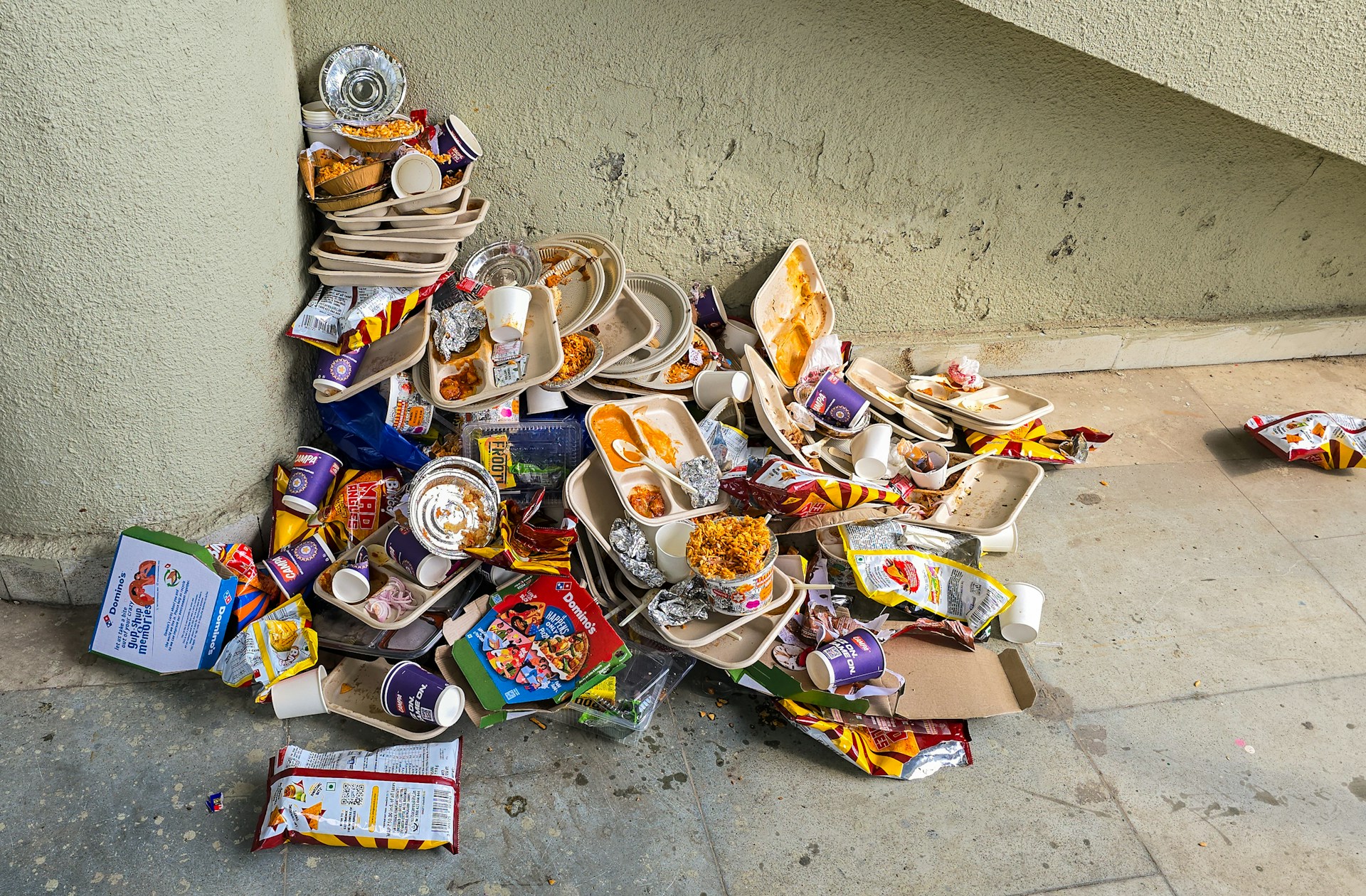
Since 31 March 2025, all businesses with ten or more employees must separate food waste from general waste for collection. This isn’t pending or upcoming. It’s already in force and businesses still putting food waste into general waste bins without a separate food waste collection arrangement are operating outside the law. The government’s Simpler Recycling reforms cover which waste streams are affected, what containers are required and how the rollout timeline works for different types of premises.
Micro-businesses with fewer than ten employees have a later compliance date of 31 March 2027, but the direction of travel is clear: all businesses generating food waste in England will eventually be required to manage it separately. Getting a system in place now, before enforcement catches up with those still non-compliant, is the straightforward approach.
What Duty of Care Means for Food Waste
Every UK business has a legal Duty of Care for its waste under the Environmental Protection Act 1990. For food waste, this means the waste must be stored safely and securely, collected by a licensed waste carrier and documented with a Waste Transfer Note for every collection. Businesses that hand food waste to an unlicensed collector, or that dispose of it through a route that can’t be documented, are in breach of this duty regardless of whether they intended any harm.
Keeping a record of Waste Transfer Notes is not optional. These documents prove that the waste was handled by an authorised carrier and transferred appropriately and in the event of an Environment Agency inspection or a complaint, they’re the primary means of demonstrating compliance. Any business unsure about what documentation is required can find answers in the Wastecare FAQs, which covers Duty of Care obligations and Waste Transfer Notes in detail.

The Different Types of Food Waste Your Business Generates
Commercial food waste isn’t a single category. Businesses generating food waste typically produce at least two distinct streams that require different handling, collection arrangements and treatment routes.
Solid Food Waste
Solid food waste includes plate scrapings, food preparation off-cuts, spoiled stock and any food that has passed its use-by date. This material needs to be segregated into a dedicated food waste bin or container, collected at a frequency appropriate to the volume generated and treated through an appropriate route such as anaerobic digestion or composting. It cannot legally go into general waste for businesses with ten or more employees in England.
Used Cooking Oil
Used cooking oil is a separate waste stream entirely and needs its own collection arrangement. It cannot be disposed of through food waste bins, poured down drains, or handed to an unregistered collector. Improper disposal of used cooking oil causes serious environmental harm, blocking drainage systems and contaminating waterways and carries significant financial penalties. It also needs to be treated as a controlled waste with appropriate documentation. The Wastecare used cooking oil collection service handles this stream separately, with licensed collection and full compliance documentation for every pickup.
Where Does Commercial Food Waste Go?
When food waste is collected by a licensed carrier rather than going into general waste, it goes to one of two primary treatment routes, both of which produce something useful rather than sending the material to landfill.
Anaerobic Digestion
Anaerobic digestion breaks down food waste in sealed tanks without oxygen, producing biogas that can be used to generate electricity or heat and a nutrient-rich digestate that can be applied to agricultural land as a fertiliser. It’s one of the most resource-efficient ways of treating organic waste and is the most common destination for collected commercial food waste in the UK.
Composting
Composting converts food waste into a soil conditioner through a controlled biological decomposition process. It’s a lower-technology route than anaerobic digestion but produces a useful agricultural product and keeps organic material out of landfill. Some food waste treatment facilities use a combination of both methods depending on the composition of the material being processed.
Both routes produce something useful from the waste rather than sending it to landfill and both work out cheaper than general waste disposal. Food waste is heavy and general waste bins that include it cost more to collect and tip. Separating it out reduces the weight and volume of general waste, which lowers disposal costs, while the food waste itself goes somewhere it can be put to use.

Used Cooking Oil Collection and Why It Matters
For any business that cooks commercially, including restaurants, cafes, takeaways, catering operations and food manufacturers, used cooking oil (UCO) is one of the most valuable and most frequently mismanaged waste streams generated. Properly managed, it is a regulated waste with a clear recycling route. Left unmanaged or handed to an unregistered collector, it becomes a serious compliance liability.
Used cooking oil that solidifies in drains costs businesses money in drainage clearance and causes wider infrastructure problems. Oil poured away unsafely can contaminate waterways and attract penalties from the Environment Agency. Rogue collectors also pose a specific problem in the UCO sector: the value of used cooking oil as a feedstock for biodiesel has made it a target for theft and unlicensed collection and a business that hands its oil to an unregistered collector remains liable for what happens to it afterwards.
When collected by a licensed carrier such as Wastecare, used cooking oil is recycled into renewable fuels including biodiesel and aviation biofuel. For high-volume producers, this can also generate a rebate depending on oil quality and quantity. Wastecare’s used cooking oil and waste vegetable oil collection runs across the UK with scheduled pickups and full compliance documentation through the myWaste portal.

Recycling Food Packaging Alongside Food Waste
Simpler Recycling doesn’t only cover food waste. Businesses are also now required to separate dry recyclables including paper and card, plastic packaging, glass and metal from general waste. For food-producing and food-serving businesses, this includes the packaging that comes in with food deliveries, such as cardboard boxes, plastic wrapping, glass bottles, tins and metal containers.
Managing food packaging recycling alongside food waste collection in the same operation requires clear segregation at the point of waste generation, the right containers in the right locations and a collection arrangement that covers all the required streams. Wastecare’s general waste collection service runs alongside its food waste and oil services, making it possible to consolidate multiple waste streams into a single supplier relationship rather than managing separate contractors for each.
The Challenges Businesses Face With Food Waste Separation
Getting commercial food waste management right involves more than signing up to a collection service. The practical challenges businesses encounter most often come down to three things:
1. Space. Food waste bins need to be in the right locations to make segregation easy for staff, including prep areas, service stations and back-of-house areas where most waste is generated. A container that’s inconveniently placed will be ignored, regardless of what the policy says.
2. Staff behaviour. Segregation only works if everyone understands what goes where and why. Moving to mandatory food waste separation requires a change in daily habit across a whole team and that takes clear communication and visible management buy-in to make it stick.
3. Collection frequency. Food waste generates odour and attracts pests if left too long, particularly in summer. The collection schedule needs to match the volume being generated, which varies significantly between a small office kitchen and a full-service restaurant.
Wastecare works with businesses to assess collection frequency needs, container placement and documentation requirements as part of setting up a service, so these decisions don’t have to be worked out independently.

How Wastecare Supports Commercial Food Waste Management
Wastecare is a fully licensed waste carrier operating across the UK with 12 licensed service centres and a fleet of over 100 specialist vehicles. Every collection is documented through the myWaste portal, which provides digital Waste Transfer Notes and compliance records accessible to the business at any time, which is exactly what’s needed to demonstrate Duty of Care compliance in the event of an inspection or audit.
Hospitality and catering businesses can consolidate food waste collection, used cooking oil recycling and general waste into a single collection arrangement with one supplier, removing the need to manage multiple contractors. Supermarkets and food retailers get a service that covers the full range of food waste and food packaging recycling streams across a retail environment. For facilities managers running multi-site operations, Wastecare’s national coverage and centralised reporting through myWaste keeps compliance tracking across multiple locations in one place. Full detail on licensing, accreditations and service infrastructure is on the Wastecare about page.
The legislation is in place, the compliance obligations are clear and the practical case for acting is straightforward. Separate food waste collection reduces general waste disposal costs, used cooking oil can generate a rebate and having a licensed carrier handle collection with proper documentation removes the compliance risk entirely.
To set up a compliant food waste collection service for your business, call Wastecare on 0800 091 0000 or contact our team today through our website to find out more about food waste collection for businesses.