Commercial Plastic Waste Management: A Practical Guide for UK Businesses
Plastic waste rarely announces itself as a problem. It builds up quietly in stockrooms, behind loading bays and in the corners of warehouses, until a business suddenly needs a proper answer for what to do with it. Whether that’s shrink wrap from a distribution centre, offcuts from a production line, or empty containers that once held chemicals or oils, getting plastic waste management right takes more than a general skip and good intentions. It starts with knowing exactly what kind of plastic waste you’re dealing with, since that shapes everything that happens to it from here.
What Types of Plastic Waste Does Plastic Waste Management Cover?
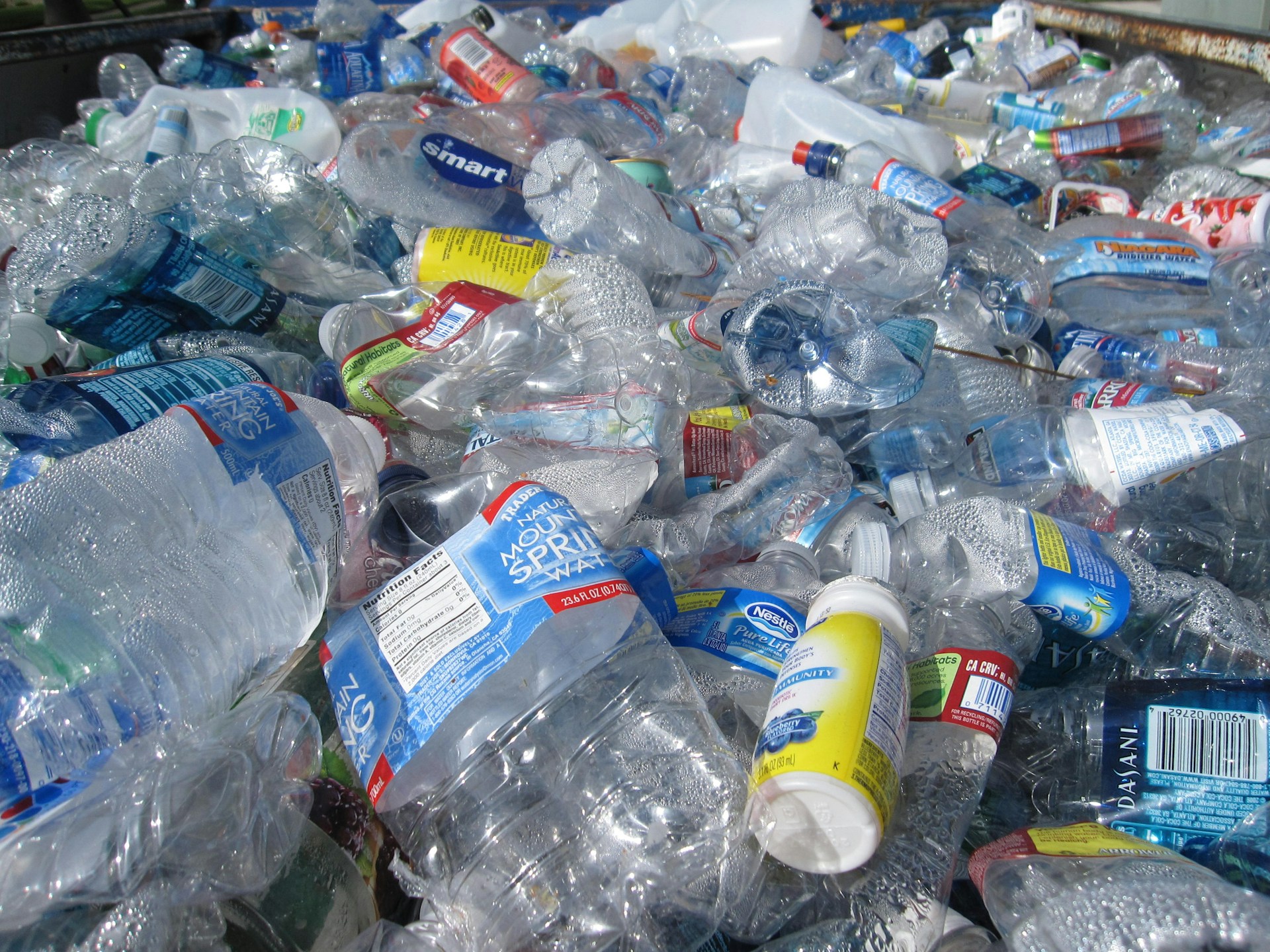
Most businesses generate more than one kind of plastic waste and each type needs handling a little differently. Packaging film and general plastic packaging are the most common, showing up in nearly every sector from retail to manufacturing. Rigid plastics, including trays, tubs and production offcuts, are another regular stream, particularly for businesses involved in food and drink or general manufacturing.
Then there are industrial containers such as drums, IBCs and kegs, which sit in a different category altogether. These have usually held chemicals, oils or solvents and even once emptied, they retain enough residue to be classed as hazardous under UK law. That means they can’t simply go out with everyday plastic packaging. Recognising which stream your business is dealing with is the first step towards managing it properly and it’s exactly where a commercial plastic waste management partner earns its keep, helping you work out what you’ve got before deciding what happens to it next.
How Do You Prepare for Plastic Waste Collection?
Before any plastic waste collection can happen, the material needs to be sorted and prepared properly. Segregation matters more than most businesses realise. Mixing general plastic packaging with contaminated industrial containers, or letting different polymer types end up in the same load, reduces the value that can be recovered and can even affect whether material is accepted for recycling at all.
Wastecare’s general waste collection and recovery service is a useful starting point for businesses that aren’t sure which stream their plastic falls into, helping identify and separate packaging and plastic waste from everything else that needs collecting.
What Paperwork Do You Need for Plastic Waste Collection?
Every collection, whatever the material, should come with proper paperwork under the UK’s waste duty of care. That means a waste transfer note for non-hazardous plastic packaging, confirming what was collected, where it went and who handled it. Keeping hold of these records is useful beyond ticking a compliance box, since they give a business a clear, dated history of exactly how much plastic it’s generating and where that material ends up.
Industrial containers bring an extra layer of preparation. Drums, IBCs and kegs that have held chemicals or oils need to be handled as hazardous waste until they’ve been properly decontaminated and that’s not something to attempt without the right facilities. Even a container that looks empty can carry enough residue to fall under the Hazardous Waste (England and Wales) Regulations 2005, a point covered in more depth in our guide to the industrial container recycling process. Getting that wrong lands the responsibility squarely on the business that generated the waste, not the company that eventually removes it.
What Container Types Need Specialist Plastic Waste Collection?
A few plastic waste streams need particular care before collection:
1. Intermediate bulk containers (IBCs), which frequently retain hazardous residue from chemicals or industrial liquids
2. Plastic drums, whether bung or clip top, previously used for solvents, oils or chemicals
3. Plastic kegs, which need thorough cleaning even when previous contents were food or beverage grade rather than industrial
For businesses working with these container types, industrial container recycling offers a route that covers everything from 20-litre HDPE bottles up to 1,000-litre IBCs. The service is already set up to handle the decontamination and testing these items need.
What Happens During Plastic Waste Recycling and Recovery?
Once plastic waste leaves your site, it moves into treatment as part of the wider plastic waste recycling process. For general packaging and rigid plastics, this usually means sorting by polymer type, cleaning where needed and preparing material for processing. For industrial containers, the process is more involved. Empty drums and IBCs are washed using high-pressure hot water and a mild cleaning agent, then leak tested against UN standards to work out whether they can be reconditioned for reuse rather than broken down entirely.
Containers that pass this test go back into circulation, often with a rebate paid to the business that sent them for treatment. Those that don’t meet the standard are chemically cleaned, crushed and shredded. The plastic is then granulated and sold on to be made into new plastic products, while any metal parts, such as IBC outer cages, are recovered separately and melted down for reuse. This is the process behind Wastecare’s industrial packaging recycling and reconditioning service and it means that even containers unsuitable for reuse still end up as raw material for something new rather than heading to landfill.
Why Choose a Long-Term Partner for Plastic Waste Management?
Treating plastic waste management as a one-off transaction misses most of the value on offer. Businesses that stick with a single provider over the long term tend to see more consistent rebates, fewer compliance headaches and a clearer picture of their own waste performance over time. That’s largely down to the same team handling every collection and knowing the site’s specific streams inside out.
Wastecare’s track record backs this up. Years ago, the business launched PolyCare, a dedicated service for mixed rigid plastics and post-consumer hard plastics. At the time, the UK had very little capacity of its own for recycling this kind of material, so it was a genuine investment rather than a quick add-on. Wastecare has kept building on that ever since, growing licensed facilities for industrial containers and packaging alongside it, rather than treating plastic as an afterthought within general waste.
For a business, that translates into one relationship covering the full journey from general waste collection and recovery through to specialist plastic and container treatment, rather than juggling separate contractors for each waste stream. It also means access to Wastecare’s wider collections network, so as a business’s waste needs change, whether that’s adding hazardous streams, WEEE or industrial containers, the same partner can scale to cover it.
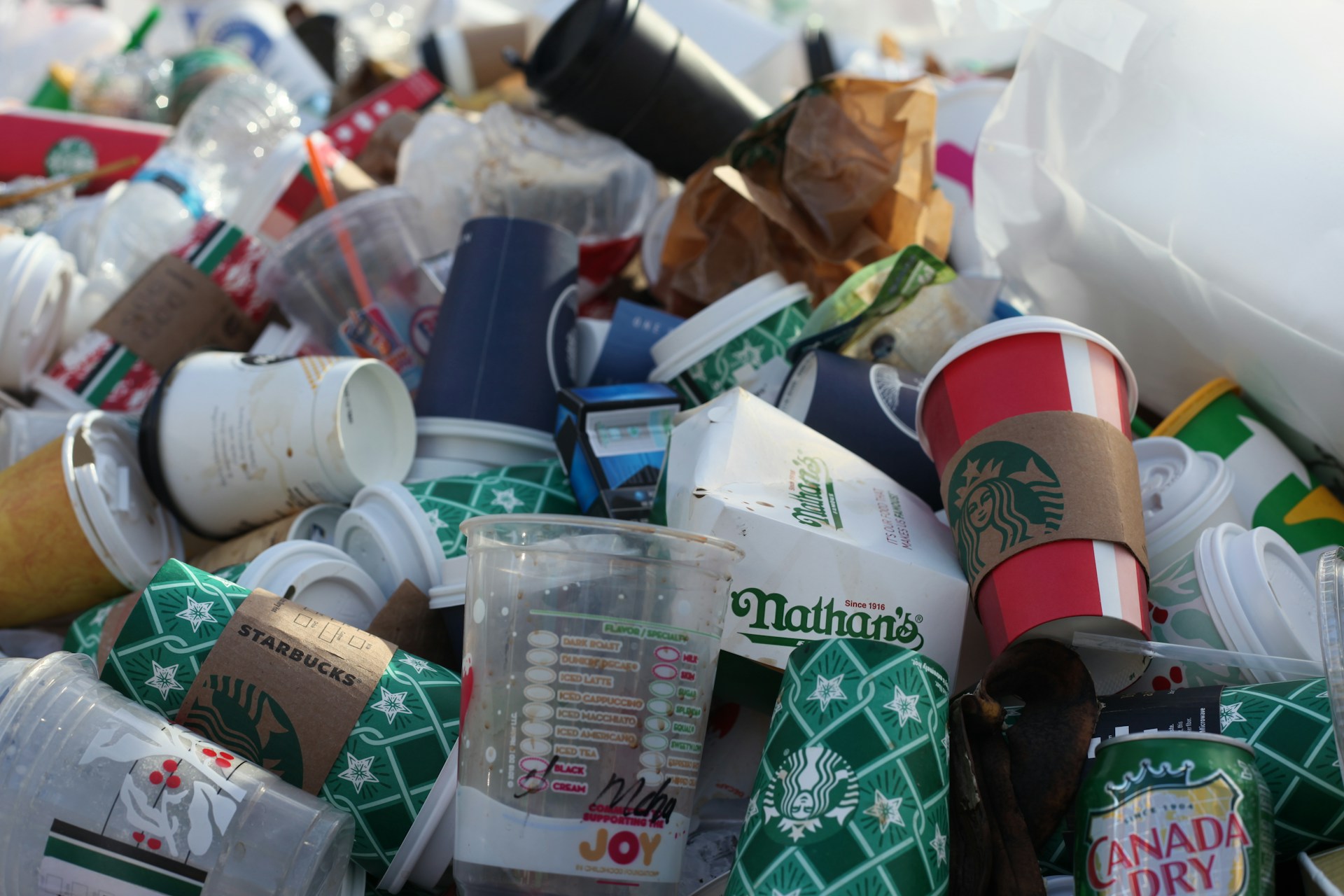
What Does Plastic Waste Recycling Look Like?
There’s a difference between simply meeting your legal obligations and truly reducing the impact your plastic waste has. Compliance gets the paperwork right. Whether it makes a real difference depends on what happens to material after it leaves your site and how much of it is turned back into something usable rather than just diverted from landfill on paper.
This distinction matters more than it might seem. Recycling alone has never been the whole answer, a point made well in Wastecare’s piece on plastic bottle recycling. Reducing the amount of plastic generated in the first place, choosing suppliers and processes that produce less waste and working with a partner who can prove where material ends up all matter just as much as the recycling rate itself. For businesses serious about their environmental impact, that means asking not just whether something is being recycled, but what that recycling truly achieves.
How Does Plastic Packaging Tax Affect Commercial Plastic Waste Management?
Plastic compliance doesn’t stop once the waste leaves your site.
The first is the Plastic Packaging Tax. This applies to plastic packaging made in or brought into the UK that contains less than 30% recycled content. From 1 April 2026, the rate is £228.82 per tonne, up from £223.69 the year before. If your business makes or imports 10 tonnes or more of finished plastic packaging a year, you need to register for the tax, even if you don’t end up owing anything. Full details are in HMRC’s Plastic Packaging Tax guidance and the tax itself comes from the Finance Act 2021.
The second is about keeping plastic separate from other waste. Since 31 March 2025, larger businesses (those with 10 or more full-time staff) have had to keep plastic packaging apart from general waste, along with paper, card, glass, metal and food waste. Smaller businesses have until 31 March 2027 to do the same, so it’s worth planning ahead rather than leaving it until the deadline gets close. The Environment Agency checks on this and businesses that don’t comply can expect a warning before anything more serious happens.
Even if your business doesn’t make packaging itself, these rules still matter. Costs and responsibilities tend to move through the supply chain, so knowing where your plastic waste fits, whether that’s packaging, product waste or industrial containers, makes it much easier to answer questions if a regulator or customer ever asks.
Commercial plastic waste doesn’t need to be complicated once there’s a proper process behind it, from identifying what you’re producing through to collection, treatment and, wherever possible, recycling. Getting the segregation and preparation right at the start makes everything that follows easier and working with one partner across the whole journey tends to deliver better outcomes than piecing together several different contractors for different waste streams.
If your business needs a straightforward way to manage plastic waste from collection through to recycling, get in touch with our team today for a quote. We can help identify the right service for your plastic streams, whether that’s general packaging, rigid plastics or industrial containers and set up a long-term collection plan that keeps your business compliant and your waste out of landfill.