From Your Kitchen to a Brand New Pod: The Journey of a Recycled Coffee Pod
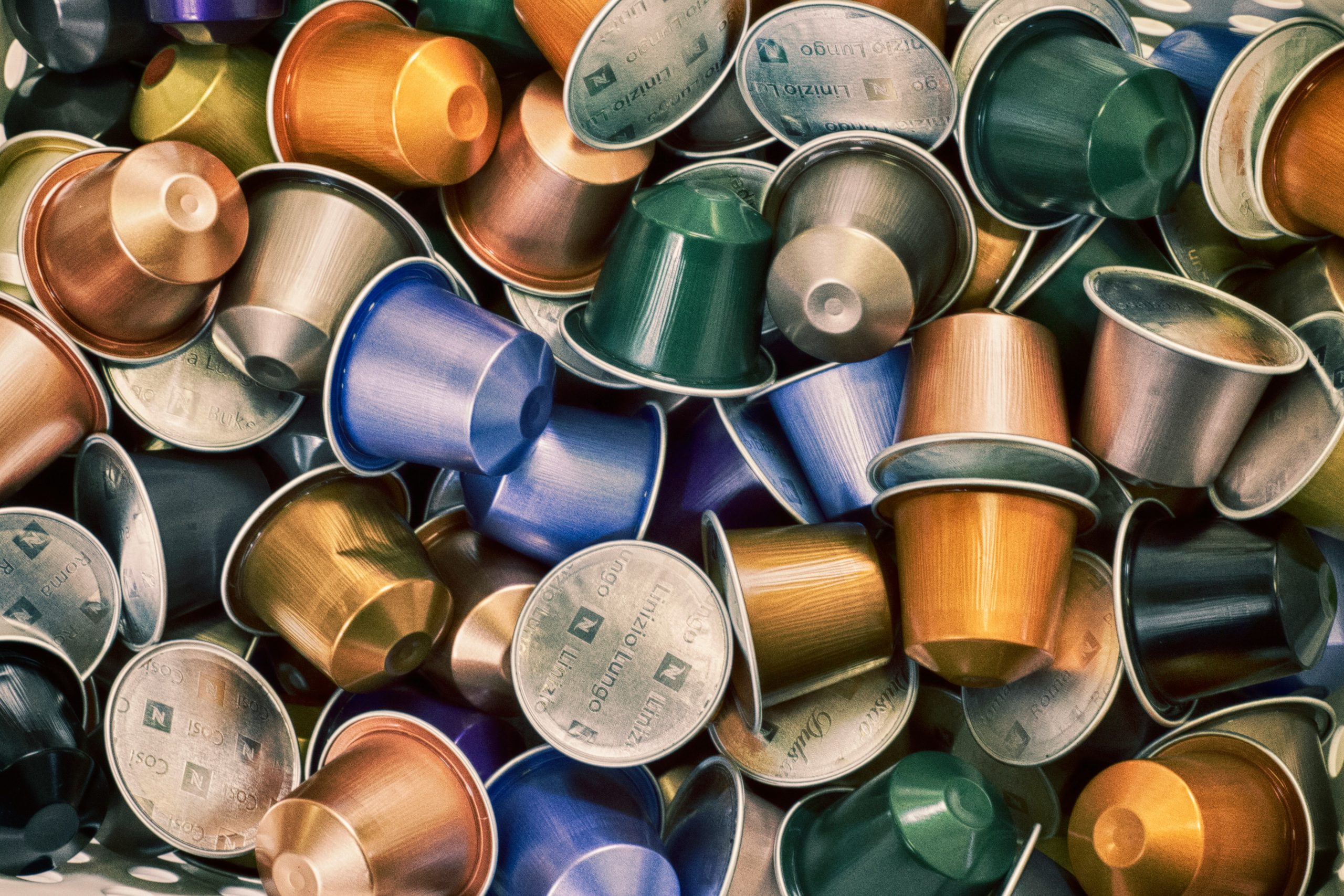
Every morning, millions of us reach for the coffee machine. A pod goes in, a great coffee comes out, and the used pod goes… where exactly? For most people, that is where the story ends. But for the pods collected through the Podback scheme, the story is actually just beginning.
Wastecare collects used coffee pods from over 300 household waste recycling centres across the UK, as well as from retailers including Asda, Morrisons, Aldi, Co-op, Waitrose and Costa. Some arrive neatly sorted in Podback bags (white for aluminium pods, green for plastic ones), but plenty arrive loose, mixed together in carrier bags, or just tipped in as they are. Whatever state they turn up in, they all end up in the same place: our dedicated coffee pod processing facility in Hull, which has the capacity to handle over 500 million pods a year.
So what actually happens when they get there?
Sorting Before The Journey Begins
Where pods arrive in Podback bags, they are sorted by bag colour at local collection centres before being bulked up by type and sent to Hull. White bags carry aluminium pods, green bags carry plastic ones. This keeps the two streams separate from the start, which makes everything cleaner and more efficient further down the line.
Loose and mixed pods, which is the more common arrival from household recycling centres, follow their own path through the facility but go through exactly the same steps as the bagged material.
Opening The Bags
The first stop is the hopper, which feeds into what is called a bag splitter. Think of it as a very coarse shredder whose only job is to tear open the bags without damaging the pods inside. The Podback bags are made from a tough, high-grade plastic (LDPE), so this takes a bit of force.
Once the bags are open, everything falls onto a conveyor belt where colleagues check that every bag is fully empty. The empty bags are then whisked away up a vacuum tube and sent off for baling and recycling in their own right. Nothing goes to waste.
Keeping Things Clean
This is also the point where colleagues check carefully for contamination, and this is where things can get interesting. You would be surprised what turns up inside a bag of coffee pods. From kitchen knives to vapes: you would be amazed what turns up in a bag of coffee pods. Our colleagues check every load before it goes any further. As well as being a safety risk, these items can seriously damage the processing equipment, so catching them early matters.
Where a single material stream is being processed (aluminium pods only, for example), colleagues will also pick out any pods that have found their way into the wrong bag. This is particularly common in the aluminium stream, where plastic pods that look similar to aluminium ones can easily end up in the wrong place.
Getting The Coffee Out
Once the stream is clean, the pods move into the extraction stage. They are smashed open and then spun at speed inside a machine that works a bit like a very vigorous sieve. As the pods spin, the coffee grounds are flung outwards and pass through fine screens. The coffee passes through; the broken pods do not.
The extracted coffee grounds are then sent for anaerobic digestion, a process that breaks down organic material to produce renewable energy in the form of biogas, as well as a soil improver used in agriculture. Nothing is wasted.
The broken pods carry on through a further sieving stage to shake out any remaining coffee grounds before moving on to the next step.
What Happens During Plastic Waste Recycling and Recovery?
Once plastic waste leaves your site, it moves into treatment as part of the wider plastic waste recycling process. For general packaging and rigid plastics, this usually means sorting by polymer type, cleaning where needed and preparing material for processing. For industrial containers, the process is more involved. Empty drums and IBCs are washed using high-pressure hot water and a mild cleaning agent, then leak tested against UN standards to work out whether they can be reconditioned for reuse rather than broken down entirely.
Containers that pass this test go back into circulation, often with a rebate paid to the business that sent them for treatment. Those that don’t meet the standard are chemically cleaned, crushed and shredded. The plastic is then granulated and sold on to be made into new plastic products, while any metal parts, such as IBC outer cages, are recovered separately and melted down for reuse. This is the process behind Wastecare’s industrial packaging recycling and reconditioning service and it means that even containers unsuitable for reuse still end up as raw material for something new rather than heading to landfill.
Separating The Metals From The Plastics
Here is where the science gets clever. Even some plastic pods contain small aluminium lids, so simply sorting by bag colour is not enough at this stage. The pods pass through something called an eddy current separator. Without getting too deep into the physics, this machine uses rapidly changing magnetic fields to create a reaction in non-ferrous metals like aluminium that physically repels them away from non-metallic materials. The result is a clean, reliable separation of aluminium and plastic, even when they are thoroughly mixed together.
Two Streams, Two Destinations
The plastic pods (made from polypropylene, or PP) are bagged and sent for recycling into new plastic products.
The aluminium from your recycled pod could be back on a supermarket shelf as a brand new pod within months. Compacting reduces the volume, which cuts the carbon footprint of transporting it and also improves the efficiency of the smelting process, meaning more aluminium is recovered from the same amount of material. That aluminium is then recycled back into new products, and in many cases finds its way back into the very coffee pods sitting on a supermarket shelf right now.
So next time you pop a pod in the machine, it is worth knowing that with a little effort on your part, it could be back on a shelf as a brand new pod within months. The infrastructure is there, the process works, and every pod you recycle rather than bin makes a genuine difference.

Why This Works — & How It Started
Aluminium is one of the most energy-efficient materials to recycle, the process uses around 95% less energy than producing virgin aluminium. For a material used in billions of pods every year in the UK alone, the environmental stakes of getting recycling right are significant.
The Podback scheme is a good example of an industry acting ahead of regulation. Coffee pods were not covered under any mandatory producer responsibility obligation when the scheme launched, yet the volumes going to landfill were growing. Nespresso and Jacobs Douwe Egberts built the scheme; Wastecare built the processing infrastructure to make it work at scale. It is the same voluntary commitment that PaintCare is now making for paint waste, industries acting because the environmental case is clear, not because the law demands it.
Want to start recycling your coffee pods? Visit podback.org to find your nearest drop-off point and pick up your free collection bags.