How to Reduce Industrial Recycling Waste and Recover Value
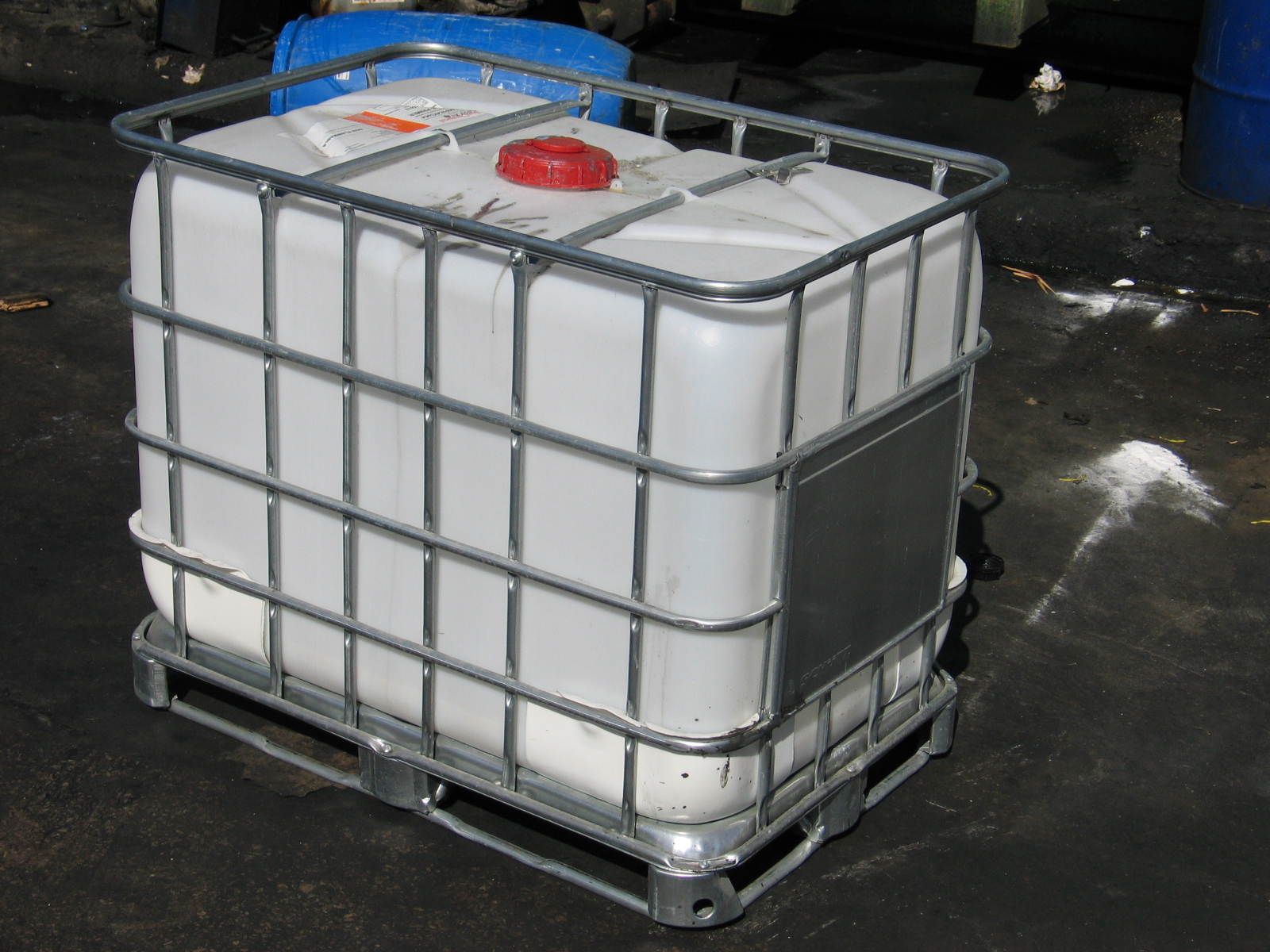
An empty IBC or steel drum doesn’t have to be the end of the road. Many can be cleaned, tested and put back into use, which is exactly the kind of thinking that cuts industrial waste. Reducing waste is mostly about doing things in the right order: prevent what you can, reuse what you can, recycle the rest and recover value from whatever is left. Through our industrial container recycling service, we collect containers from 20 litre bottles up to 1,000 litre IBCs, then recondition or recycle them. So what does that order look like for a business like yours?
How Can a Business Reduce Industrial Waste?
That order has a name, the waste hierarchy and it’s written into GOV.UK’s commercial waste rules. Businesses must do everything reasonably possible to prevent, reuse, recycle or recover their waste, in that order. Recycling isn’t the first goal, as reuse ranks above it, so the best result is often a container that never becomes waste at all. Defra’s waste hierarchy guidance, published in 2011, makes the business case too, noting that many businesses don’t realise how much waste affects their bottom line.
A few habits make industrial waste reduction easier on a manufacturing or warehouse site and these are the steps we’d suggest, in roughly the order they happen:
- Choose reuse first by asking whether a container can be reconditioned before you treat it as waste.
- Sort containers by type, so IBCs and drums are stored apart from smaller plastic containers.
- Keep hazardous and non-hazardous waste apart, so each goes down the right route.
- Classify your waste before it’s collected, as the classification decides how it’s handled.
- Use one collection partner for your containers, so collections and paperwork stay consistent.
Each step makes the next one easier. Sorting by type means less handling later, as IBCs and steel drums follow different routes from plastic containers. A single collection partner then builds on that, since the same team can advise on reuse,
What’s the Difference Between Reuse and Recycling?
Reuse means a container is cleaned and tested, then put back into use. We call that reconditioning. Recycling means the material is broken down and made into something new. Reuse sits higher in the hierarchy because the container keeps doing its job without being remade, so we treat reconditioning as the preferred outcome and recycling as the next step.
With IBC reconditioning and drum reconditioning, we recondition and recertify containers that meet our standard. Washing and leak testing come first, which is what separates a reconditioned container from one that’s simply been emptied. Anything that doesn’t meet the standard is recycled instead, so the material still has somewhere useful to go.
How Is Industrial Waste Collected?
Industrial waste collection for containers is straightforward to arrange. We collect empty containers using our own transport, or you can deliver or collect them using your own. Most come from sites that handle chemicals, oils and manufacturers and warehouses are among our main users. Our nationwide industrial container collection service takes in IBC collection and drum collection, as well as smaller plastic containers.
Volume makes a difference, as a one-off clear-out and a regular flow of containers are handled differently. Tell us which you’ve got when you ask for a quote and what the containers held, as that affects how they’re classified and handled. For bulk volumes, our bulk industrial packaging, recycling and reconditioning service takes everything from IBCs and drums to outer cages and kegs. Our industrial packaging division is based at West Leeds and you can request a quote online.

How Does Industrial Waste Recovery Work?
Industrial waste recovery starts before your containers leave the site. For manufacturers, we talk through what value is likely to be recovered, which is step three of the seven step process we follow for engineering and manufacturing waste management. That means you can plan around the likely outcome instead of waiting to find out.
Once the containers reach us, value comes back in four ways through our industrial packaging recycling and reconditioning service:
Reuse: containers that meet our reuse standard are reconditioned and returned to use.
Plastic: containers that can’t be reused are ground into granules, which can be made into new products.
Steel: steel is recycled too, as it’s a highly recyclable material.
Buying reconditioned: you can keep containers in circulation for longer by choosing them, where they suit your contents, from our range of industrial packaging to buy.
The value recovered here is reusable containers and recycled materials, not what the container originally cost. Some reconditioned drums aren’t UN rated and are for non-hazardous materials only, so ask us what a container is suited to before you fill it.
Can You Get Paid for Recycling Industrial Waste?
n some cases, yes. We pay waste rebates on recovered materials such as plastic, metals and on containers that meet our reuse standard, and these can offset your collection costs. Rebates are part of our hazardous waste collection and recovery service. What’s paid depends on what’s recovered, so not every customer will receive one and a quote is the best way to see what applies to you. Keeping containers sorted by type and in good condition can help them meet our reuse standard.
There’s one route we’d urge you to avoid and that’s selling used chemical drums for scrap. A drum that held chemicals can still be hazardous because of residue and once it’s passed to an unlicensed buyer you can’t be sure where it ends up or how it’s handled. That puts people and the environment at risk and your business can still be held responsible for the waste it produced. A registered carrier takes that worry away, as they’re licensed to move the waste and the paperwork trail shows exactly where your containers went if anyone asks.
Why Is Waste Management Important for Businesses?
Why waste management is important starts with the law, because yes, it’s a legal requirement. In England, the duties that come with producing business waste are set out in law. They cover how waste is stored and who takes it away, with paperwork to match and hazardous waste carries extra rules of its own. Getting this right keeps your business on the right side of them.
Cost is the next reason. From 1 April 2026, the standard rate of landfill tax is £130.75 a tonne and the lower rate is £8.65 a tonne, according to GOV.UK. The lower rate has more than doubled from £4.05 and with landfill getting more expensive, it’s worth reviewing any disposal contract that was priced before April 2026. Sending containers for reuse or recycling instead means that cost doesn’t arise. The benefits of industrial recycling reach well beyond cost and compliance too and these are the main ones:
Less waste to landfill – Reused and recycled containers stay out of landfill and we aim for zero to landfill, although what’s possible depends on the waste we receive.
A lower carbon footprint – Our process can cut carbon by up to 90% compared with making new materials from scratch.
Materials that keep working – Reuse and recycling support a circular economy, where materials stay in use for as long as possible instead of being used once and discarded.
A safer site – Containers that are sorted, classified and stored correctly can mean fewer risks when they’re handled, moved and collected.
Most of these come from the same simple habits, such as sorting containers and classifying waste, so each small step adds up. The same thinking applies to chemical waste, where there are further benefits of chemical waste recycling and collection for businesses to weigh up.
What Do Businesses Need to Know About Hazardous Residue and Compliance?
Containers that held chemicals can still be hazardous waste because of residue and how a container is classified depends on what it held. GOV.UK’s hazardous waste guidance lists hazardous waste containers as one example and producers and holders of hazardous waste both have duties. In England and Wales, the rules come from The Hazardous Waste (England and Wales) Regulations 2005, which include a ban on mixing hazardous waste with other waste. The rules differ in Scotland and Northern Ireland, so check the local requirements if you operate there.
Paperwork depends on the waste. Hazardous waste moves with a hazardous waste consignment note, a record of what the waste is, who’s carrying it and where it’s going. Ordinary business waste needs a waste transfer note, which does the same job. Whichever applies, check that your carrier is registered and licensed. Classifying your waste before collection is part of your duty of care, which is why we ask what each container held. We’re a licensed carrier and processor and our credentials are listed on our certificates and licences page.
Common Questions About Industrial Container Recycling
How Are Industrial Containers Recycled?
They’re collected and washed, then leak tested. Containers that meet our standard are reconditioned for reuse and the rest are broken down for recycling. If you’d like every stage in order, the full industrial container recycling process is the place to start.
Are Empty IBCs Hazardous Waste?
It depends on what they held. Residue can make an IBC hazardous, so the waste should be classified before collection. If you’re not sure how to classify yours, tell us what the IBC contained and we’ll help.
Can You Put Empty Drums in a Skip?
We wouldn’t recommend it, as a drum that held chemicals or oils may still be hazardous and needs a registered carrier. If you’ve got more questions about containers or licensing, just ask the team and we’ll be happy to help.
How Do I Arrange an IBC Collection?
Tell us the type and number of containers, where they are and we’ll quote for collection through our IBC collection service. We can also say whether a one-off or regular arrangement suits you better.
Reducing industrial waste works best when you take it step by step. Prevent what you can, reuse before you recycle and recover value from whatever’s left. Containers show how well that order works, as many can be cleaned, tested and put back to work. The rest still have a route into recycling and, in some cases, a rebate. Add the right classification and paperwork and you’ve got a routine that cuts waste and keeps you on the right side of the rules.
Wondering what value could be recovered from your containers? Send us the details through our contact page, such as the type and number of containers and what they held, and we’ll take it from there. We’ll put together a collection quote, so you can see what applies to you and how simple the next step is.