
An empty IBC or steel drum doesn’t have to be the end of the road. Many can be cleaned, tested and put back into use, which is exactly the kind of thinking that cuts industrial waste. Reducing waste is mostly about doing things in the right order: prevent what you can, reuse what you can, recycle the rest and recover value from whatever is left. Through our industrial container recycling service, we collect containers from 20 litre bottles up to 1,000 litre IBCs, then recondition or recycle them. So what does that order look like for a business like yours?
How Can a Business Reduce Industrial Waste?
That order has a name, the waste hierarchy and it’s written into GOV.UK’s commercial waste rules. Businesses must do everything reasonably possible to prevent, reuse, recycle or recover their waste, in that order. Recycling isn’t the first goal, as reuse ranks above it, so the best result is often a container that never becomes waste at all. Defra’s waste hierarchy guidance, published in 2011, makes the business case too, noting that many businesses don’t realise how much waste affects their bottom line.
A few habits make industrial waste reduction easier on a manufacturing or warehouse site and these are the steps we’d suggest, in roughly the order they happen:
- Choose reuse first by asking whether a container can be reconditioned before you treat it as waste.
- Sort containers by type, so IBCs and drums are stored apart from smaller plastic containers.
- Keep hazardous and non-hazardous waste apart, so each goes down the right route.
- Classify your waste before it’s collected, as the classification decides how it’s handled.
- Use one collection partner for your containers, so collections and paperwork stay consistent.
Each step makes the next one easier. Sorting by type means less handling later, as IBCs and steel drums follow different routes from plastic containers. A single collection partner then builds on that, since the same team can advise on reuse,
What’s the Difference Between Reuse and Recycling?
Reuse means a container is cleaned and tested, then put back into use. We call that reconditioning. Recycling means the material is broken down and made into something new. Reuse sits higher in the hierarchy because the container keeps doing its job without being remade, so we treat reconditioning as the preferred outcome and recycling as the next step.
With IBC reconditioning and drum reconditioning, we recondition and recertify containers that meet our standard. Washing and leak testing come first, which is what separates a reconditioned container from one that’s simply been emptied. Anything that doesn’t meet the standard is recycled instead, so the material still has somewhere useful to go.
How Is Industrial Waste Collected?
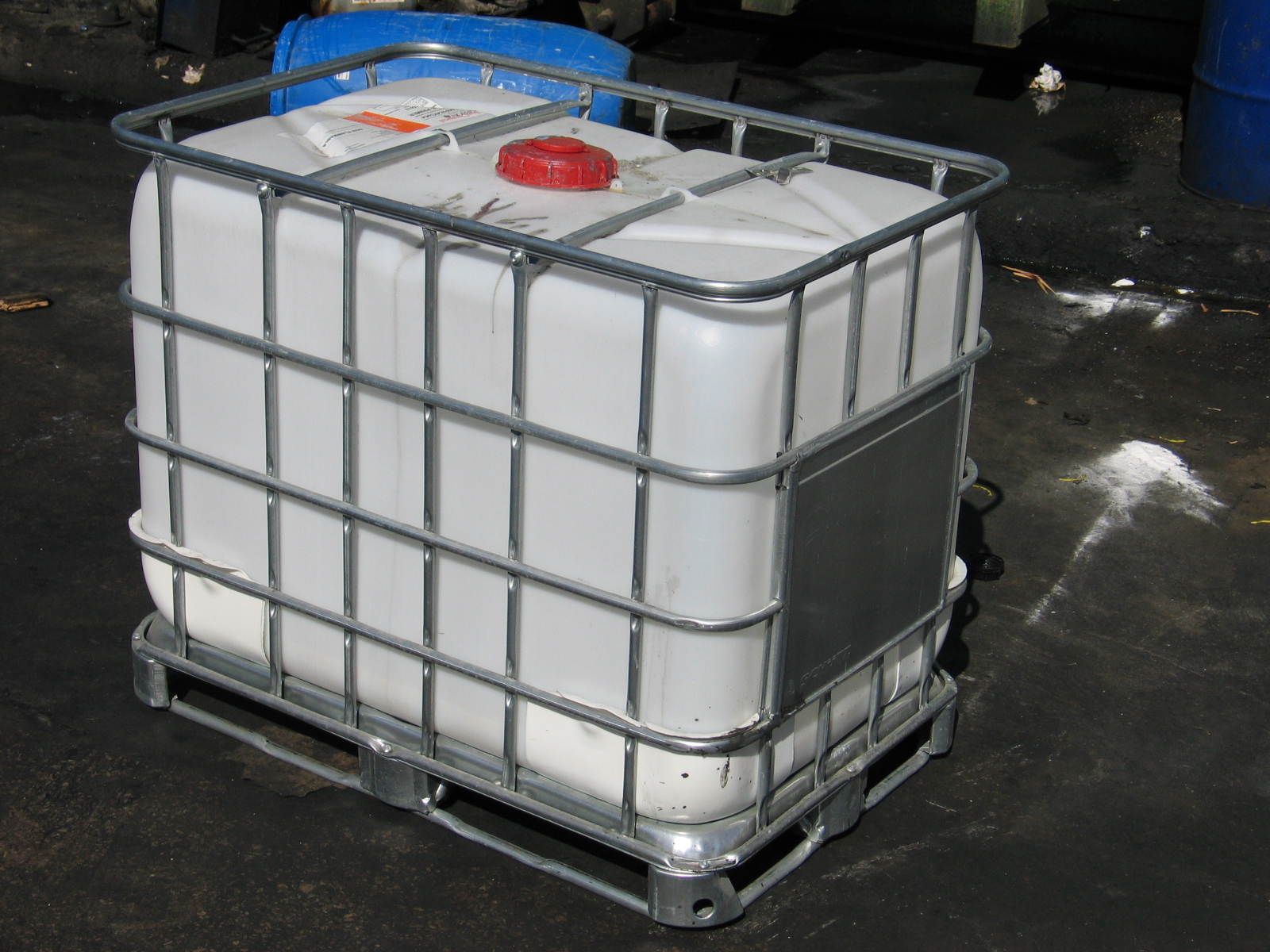
Industrial waste collection for containers is straightforward to arrange. We collect empty containers using our own transport, or you can deliver or collect them using your own. Most come from sites that handle chemicals, oils and manufacturers and warehouses are among our main users. Our nationwide industrial container collection service takes in IBC collection and drum collection, as well as smaller plastic containers.
Volume makes a difference, as a one-off clear-out and a regular flow of containers are handled differently. Tell us which you’ve got when you ask for a quote and what the containers held, as that affects how they’re classified and handled. For bulk volumes, our bulk industrial packaging, recycling and reconditioning service takes everything from IBCs and drums to outer cages and kegs. Our industrial packaging division is based at West Leeds and you can request a quote online.

How Does Industrial Waste Recovery Work?
Industrial waste recovery starts before your containers leave the site. For manufacturers, we talk through what value is likely to be recovered, which is step three of the seven step process we follow for engineering and manufacturing waste management. That means you can plan around the likely outcome instead of waiting to find out.
Once the containers reach us, value comes back in four ways through our industrial packaging recycling and reconditioning service:
Reuse: containers that meet our reuse standard are reconditioned and returned to use.
Plastic: containers that can’t be reused are ground into granules, which can be made into new products.
Steel: steel is recycled too, as it’s a highly recyclable material.
Buying reconditioned: you can keep containers in circulation for longer by choosing them, where they suit your contents, from our range of industrial packaging to buy.
The value recovered here is reusable containers and recycled materials, not what the container originally cost. Some reconditioned drums aren’t UN rated and are for non-hazardous materials only, so ask us what a container is suited to before you fill it.
Can You Get Paid for Recycling Industrial Waste?
n some cases, yes. We pay waste rebates on recovered materials such as plastic, metals and on containers that meet our reuse standard, and these can offset your collection costs. Rebates are part of our hazardous waste collection and recovery service. What’s paid depends on what’s recovered, so not every customer will receive one and a quote is the best way to see what applies to you. Keeping containers sorted by type and in good condition can help them meet our reuse standard.
There’s one route we’d urge you to avoid and that’s selling used chemical drums for scrap. A drum that held chemicals can still be hazardous because of residue and once it’s passed to an unlicensed buyer you can’t be sure where it ends up or how it’s handled. That puts people and the environment at risk and your business can still be held responsible for the waste it produced. A registered carrier takes that worry away, as they’re licensed to move the waste and the paperwork trail shows exactly where your containers went if anyone asks.
Why Is Waste Management Important for Businesses?
Why waste management is important starts with the law, because yes, it’s a legal requirement. In England, the duties that come with producing business waste are set out in law. They cover how waste is stored and who takes it away, with paperwork to match and hazardous waste carries extra rules of its own. Getting this right keeps your business on the right side of them.
Cost is the next reason. From 1 April 2026, the standard rate of landfill tax is £130.75 a tonne and the lower rate is £8.65 a tonne, according to GOV.UK. The lower rate has more than doubled from £4.05 and with landfill getting more expensive, it’s worth reviewing any disposal contract that was priced before April 2026. Sending containers for reuse or recycling instead means that cost doesn’t arise. The benefits of industrial recycling reach well beyond cost and compliance too and these are the main ones:
Less waste to landfill – Reused and recycled containers stay out of landfill and we aim for zero to landfill, although what’s possible depends on the waste we receive.
A lower carbon footprint – Our process can cut carbon by up to 90% compared with making new materials from scratch.
Materials that keep working – Reuse and recycling support a circular economy, where materials stay in use for as long as possible instead of being used once and discarded.
A safer site – Containers that are sorted, classified and stored correctly can mean fewer risks when they’re handled, moved and collected.
Most of these come from the same simple habits, such as sorting containers and classifying waste, so each small step adds up. The same thinking applies to chemical waste, where there are further benefits of chemical waste recycling and collection for businesses to weigh up.
What Do Businesses Need to Know About Hazardous Residue and Compliance?
Containers that held chemicals can still be hazardous waste because of residue and how a container is classified depends on what it held. GOV.UK’s hazardous waste guidance lists hazardous waste containers as one example and producers and holders of hazardous waste both have duties. In England and Wales, the rules come from The Hazardous Waste (England and Wales) Regulations 2005, which include a ban on mixing hazardous waste with other waste. The rules differ in Scotland and Northern Ireland, so check the local requirements if you operate there.
Paperwork depends on the waste. Hazardous waste moves with a hazardous waste consignment note, a record of what the waste is, who’s carrying it and where it’s going. Ordinary business waste needs a waste transfer note, which does the same job. Whichever applies, check that your carrier is registered and licensed. Classifying your waste before collection is part of your duty of care, which is why we ask what each container held. We’re a licensed carrier and processor and our credentials are listed on our certificates and licences page.
Common Questions About Industrial Container Recycling
How Are Industrial Containers Recycled?
They’re collected and washed, then leak tested. Containers that meet our standard are reconditioned for reuse and the rest are broken down for recycling. If you’d like every stage in order, the full industrial container recycling process is the place to start.
Are Empty IBCs Hazardous Waste?
It depends on what they held. Residue can make an IBC hazardous, so the waste should be classified before collection. If you’re not sure how to classify yours, tell us what the IBC contained and we’ll help.
Can You Put Empty Drums in a Skip?
We wouldn’t recommend it, as a drum that held chemicals or oils may still be hazardous and needs a registered carrier. If you’ve got more questions about containers or licensing, just ask the team and we’ll be happy to help.
How Do I Arrange an IBC Collection?
Tell us the type and number of containers, where they are and we’ll quote for collection through our IBC collection service. We can also say whether a one-off or regular arrangement suits you better.
Reducing industrial waste works best when you take it step by step. Prevent what you can, reuse before you recycle and recover value from whatever’s left. Containers show how well that order works, as many can be cleaned, tested and put back to work. The rest still have a route into recycling and, in some cases, a rebate. Add the right classification and paperwork and you’ve got a routine that cuts waste and keeps you on the right side of the rules.
Wondering what value could be recovered from your containers? Send us the details through our contact page, such as the type and number of containers and what they held, and we’ll take it from there. We’ll put together a collection quote, so you can see what applies to you and how simple the next step is.
Every business eventually ends up holding stock it cannot sell. Expired batches. Failed quality checks. A recalled line. Discontinued packaging. Obsolete branded uniforms. Goods seized at the border.
The instinct is to treat it as ordinary waste and move on. That instinct is usually the expensive one.
What kinds of products need it?
Secure product destruction is the controlled, fully documented destruction of goods so that they cannot be recovered, resold, reused or copied. Items are collected under a tracked chain of custody, destroyed at a permitted facility using a method suited to the material, and signed off with a Certificate of Destruction.
The difference between that and a skip is evidence. Ordinary disposal gets rid of a product. Secure destruction proves it is gone.
What is secure product destruction?
Secure destruction is not only for confidential paperwork. The materials we most commonly handle include:
- Expired, contaminated or out-of-specification stock
- Recalled or defective goods, particularly where there is a safety concern
- Counterfeit, non-compliant or seized goods
- Surplus, discontinued or heavily branded overstock
- Prototypes, samples, pre-release packaging and marketing collateral
- Branded uniforms, workwear, PPE and signage
- Food, drink, cosmetics and pharmaceutical products
- Aerosols, chemicals and any product classed as hazardous waste
How does the process work?
- Assessment. The waste stream is classified and the correct destruction route agreed. A blister-packed medicine, a pallet of aerosols and a container of branded hoodies do not go the same way.
- Secure collection. Goods are collected by a licensed carrier and moved under a documented chain of custody, with the correct transfer or consignment paperwork.
- Controlled storage. Materials are held in monitored, access-controlled facilities until processing.
- Destruction. Depending on the material, this may mean industrial shredding, depackaging and separation, or high temperature incineration where total destruction is the only acceptable outcome.
- Recovery. Packaging, metals and plastics are recycled wherever possible rather than landfilled.
- Certification. A Certificate of Destruction is issued for your audit trail. Witnessed destruction can be arranged where a brand owner, insurer or regulator wants to see it happen.
Does your business actually need it?
Ask yourself four questions:
- Would it cause real damage if this product reappeared on a marketplace or in a discount channel?
- Does a regulator, insurer, brand owner or customs authority expect documented proof of destruction?
- Is the product hazardous, or does it contain data-bearing components?
- Would a failure here become a headline rather than an invoice?
One yes is enough. Products that leak back into circulation create counterfeit exposure, safety liability, brand devaluation and, in regulated sectors, enforcement action.
What to look for in a provider
Check that your provider works to BS EN 15713:2023, the revised code of practice for the secure destruction of confidential and sensitive material. Ask to see environmental permits, confirm staff are security vetted, and establish whether the company owns the destruction infrastructure or subcontracts it. Every additional link in that chain is a point where your evidence trail can break.
Wastecare operates its own nationwide network of permitted recycling and treatment facilities, including high temperature incineration for waste requiring total destruction, with certified zero-to-landfill outcomes.
Contact our friendly team of experts to discuss your requirements. Call us on 0800 091 0000 or email recycling@wastecare.co.uk.
England’s fridge recycling network is under serious strain. Here is what is happening, why it matters, and what you should know right now.
There is a quiet crisis developing in the UK’s waste infrastructure, and it involves something most of us take entirely for granted: the humble fridge. It isn’t the first time the UK has faced something like this either — the “fridge mountain” of the late 1990s is still referenced as a cautionary tale in the industry.
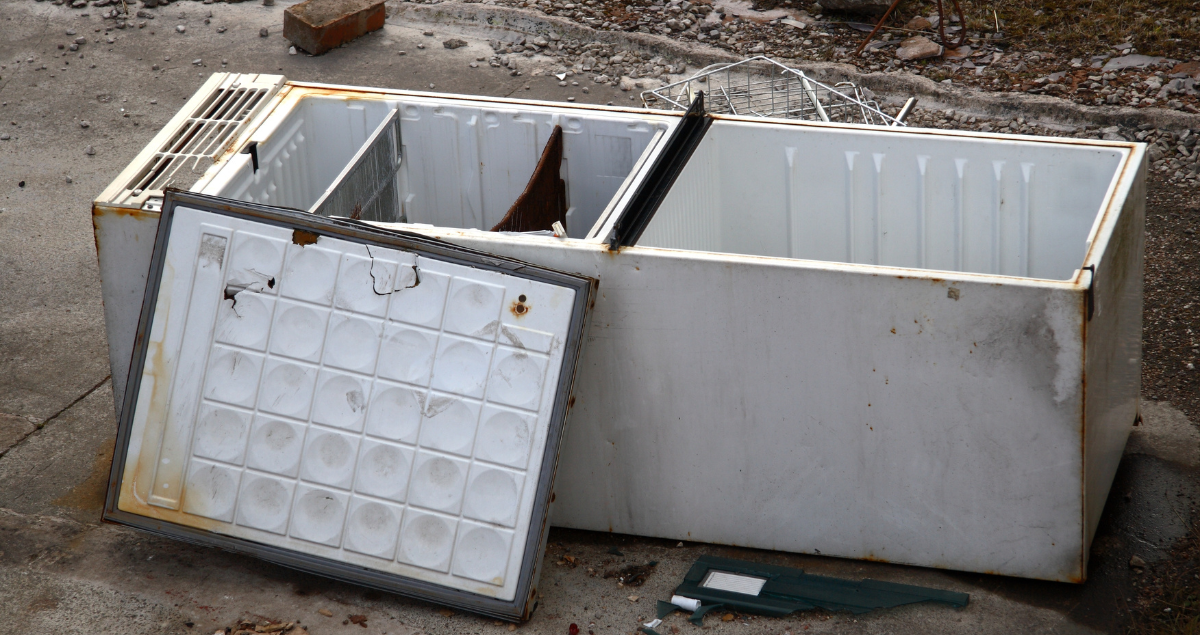
Right now, the network of specialist treatment plants responsible for processing end-of-life fridges and freezers in England is under significant and growing pressure. Plant closures and a recent fire at a treatment facility have removed meaningful capacity from the system at a stroke, and the consequences are already being felt across the industry. The Environmental Services Association, the trade body representing the UK’s major waste operators, canvassed its members at the Environment Agency’s request just days ago, and the picture that emerges is consistent and concerning. Across every company that responded, the message is the same: capacity is tightening, the system is under strain, and without intervention, things could get considerably worse before they get better.
This is not a minor operational inconvenience. It is a structural problem, and it is worth understanding why.
Why fridges are different from other waste
Fridges and freezers are not straightforward to recycle. They contain a mix of hazardous materials that require specialist handling, most notably the refrigerant gases and the foam insulation blown with CFCs and HCFCs. These are potent greenhouse gases, some many thousands of times more damaging than carbon dioxide, and their safe recovery and destruction is tightly regulated as part of our wider hazardous waste collection and recovery service. You cannot simply crush a fridge and sort the metal. It has to go to a licensed WEEE treatment facility equipped specifically for the job, where the gases are extracted and the different material streams separated and processed safely — with the recovered refrigerant gases ultimately sent for high-temperature incineration to ensure safe, permanent destruction.
That specialist requirement is precisely what makes the current capacity shortage so difficult to resolve quickly. You cannot open a new fridge treatment facility overnight. The permitting process alone takes time, the equipment is specialised, and the expertise required is not widely available. When capacity disappears from the system, it does not come back fast.
What the ESA feedback tells us
The feedback gathered by the ESA from major operators paints a clear picture. Capacity constraints are national, not local, though certain regions are feeling the pressure most acutely already. The Midlands, particularly Birmingham and Shropshire, and the South East and South of England are identified as early flashpoints. Collection delays are being reported. The number of available tipping and disposal sites is shrinking. Operators are holding stock for longer, meaning fridges are sitting at collection sites and waste transfer stations while treatment routes are secured.
The situation is described by one operator as evolving daily, which is another way of saying that no one can be entirely certain where capacity will be available from one week to the next. It’s a similar dynamic to the one we wrote about when the Environment Agency last raised WEEE recycling targets — tightening obligations meeting a system with limited room to absorb them.
There is also a seasonal dimension that adds urgency. Summer is peak season for refrigeration failures. Households and businesses replace more fridges in the warmer months, and that predictable surge in volumes is arriving into a system that is already stretched.
The containers that qualify need to carry the Exchange for Change logo, which is the official brand identity for the UK scheme, announced in January 2026. Producers must register their products with Exchange for Change before the October 2027 launch.

Two very different groups affected, in two very different ways
It is worth being precise about who is affected and how, because the fridge recycling system has two distinct parts that operate quite separately from one another.
The first is the household stream. When a member of the public drops off an old fridge at their local household waste recycling centre, or has it collected by a retailer when a new one is delivered, the cost of recycling it is not borne by the council, the retailer or the individual. It is funded indirectly by producers of cooling equipment, such as manufacturers and importers, who are members of producer compliance schemes. Under WEEE regulations, retailers have a legal obligation to offer takeback of old appliances when delivering new ones, and the recycling of those collected units is funded through the same producer compliance mechanism. Compliance schemes like Wastecare’s WEEECare manage those obligations on behalf of producers, contracting with collectors and treatment plants to ensure the recycling actually happens.
When treatment capacity tightens, this group faces a particular kind of pressure. The physical recycling becomes harder to arrange and more expensive to procure, which puts strain on compliance schemes trying to meet their members’ obligations. Where a scheme cannot meet its full recycling target, a fallback mechanism called the compliance fee exists, allowing schemes to pay into a fund for every tonne short of their obligation. It is a legitimate safety valve, but it is not the preferred outcome for anyone. Actual recycling is always the goal.
Retailers have a legal obligation to take back your old fridge when delivering a new one. The cost of recycling it is funded indirectly by producers through compliance schemes.
The second group is businesses with industrial fridges and freezers to dispose of. Commercial cold storage units, industrial refrigeration plant, and catering and food production equipment: none of this falls within the producer compliance mechanism. There is no scheme funding the recycling of these units. Businesses simply have to pay the market rate for disposal, and right now, the market rate is rising through our bulk electronic waste recycling route, or as part of a wider industrial container recycling programme where cooling units are being decommissioned alongside other equipment, with associated industrial packaging recycled or reconditioned at the same time. Gate prices at the treatment plants that still have available capacity have already increased significantly. Where options are limited, prices go up, and that is a direct and immediate cost for any business needing to move industrial cooling equipment.
The compliance risk that nobody should overlook
There is a third dimension to this story that is easy to miss but carries real regulatory risk. Permitted sites, whether that is a waste transfer station, a household waste recycling centre or a commercial premises holding waste, operate under environmental permits that set limits on how much waste can be stored on site at any one time.
When treatment capacity dries up and fridges cannot move downstream as quickly as normal, those storage limits can be breached through no fault of the operator. Fridges are bulky and space-intensive, meaning even a short delay in securing a treatment route can tip a site over its permitted storage allowance surprisingly quickly. This kind of pressure is exactly what creates the conditions for the illegal side of the market too — we’ve previously reported on compressors being illegally stripped from fly-tipped fridges, a problem that tends to worsen whenever legitimate disposal routes become harder or more expensive to access.
Operators who are managing this situation responsibly, doing everything they can to find treatment capacity while holding stock temporarily, should not face regulatory action for circumstances entirely outside their control.
Wastecare’s position
We want to be straightforward about our position here. Wastecare is a national collector and we have the operational flexibility to move fridges to wherever treatment capacity exists across the country, drawing on our full range of collection and bulk recovery services. That is an advantage not every operator has, and we are using it actively to protect our customers from the worst of the disruption. But that flexibility has limits. Treatment capacity in England is finite, and when it contracts at a national level, no amount of operational agility fully insulates you from it.
The gate price increases we are already seeing are real, and we expect further volatility as summer demand builds. We are being transparent with our customers about this, and we would encourage anyone with large volumes of end-of-life industrial cooling equipment to speak to us sooner rather than later. The earlier we can plan, the better the outcome for everyone.
For our WEEECare producer compliance customers, we want to be clear that we are working hard to fulfil recycling obligations through whatever treatment capacity we can access. We will always prioritise actual recycling over the compliance fee fallback, both because it is better for the environment and because it is what our members are counting on us to deliver. Fridge recycling pricing is likely to be volatile this year however, and we will keep members informed as the picture develops.
On the regulatory dimension, we think the Environment Agency’s approach here matters enormously. The EA exists to support sustainable and safe waste management, and we would urge a pragmatic and supportive stance toward legitimate, permitted operators who are temporarily holding more stock than their permit allows, simply because treatment capacity has collapsed through no fault of their own. Penalising operators for doing the right thing, while the industry works to restore capacity, would be unnecessarily punitive and would serve nobody’s interests, least of all the environment’s. We would encourage any operator in this position to engage with the EA proactively, document the steps they are taking to resolve the situation, and make clear they are managing the issue responsibly.
The broader lesson here is one the industry has encountered before. When specialist treatment infrastructure is lost, it is not easily or quickly replaced. The UK’s capacity for handling complex and hazardous waste streams needs sustained investment and protection as a matter of ongoing industrial policy, not just crisis management when things go wrong. A problem like this one is a reminder of how much the entire recycling system depends on infrastructure that most people never think about until it stops being available.
The UK’s Deposit Return Scheme, now officially branded Exchange for Change, will require every retailer selling drinks in PET plastic bottles or aluminium and steel cans to host a return point where consumers can claim back their deposit. For large supermarkets with space, budget and logistics teams, the path to compliance is manageable. For the corner shop, the independent convenience store and the small off-licence, it is a considerably more complex proposition.
Campaigners have warned that small and independent retailers risk being left behind in preparations for the 2027 rollout unless deposit return technology is made more flexible and affordable, with concerns that under current plans exemptions could sideline smaller stores, particularly in urban areas, creating what campaigners describe as a postcode lottery for returns access.
That concern is a legitimate one. A DRS that works brilliantly in supermarkets but leaves high streets and convenience stores without viable return points will not achieve the 90% collection rate the scheme is targeting, and it will place an unfair burden on the independent retailers who serve some of the communities that need accessible recycling infrastructure most.
How it works — the simple version
When you buy a bottle of water, a can of beer or a soft drink in a plastic bottle today, the packaging cost is built invisibly into the price. You drink it, and the can or bottle goes in a bin, a recycling box, or, in some cases, over a hedge. Some of it gets recycled. A significant amount does not.
From October 2027, that changes. Under the Deposit Return Scheme, a small refundable deposit, expected to be around 20p per container, will be added to the price of every eligible drink sold in the UK. When you finish the drink and return the empty container to a designated collection point, you get your 20p back. If you do not return it, you do not. It is a straightforward financial nudge to change behaviour, and in countries that have already introduced similar schemes it works remarkably well. Finland, for example, achieves close to 100% return rates for aluminium cans.

Which containers are included
The scheme covers single-use drinks containers between 150ml and 3 litres made from PET plastic, aluminium or steel. That means plastic bottles and cans. It does not include glass in England, Scotland or Northern Ireland, though Wales is introducing its own parallel scheme that does include glass.
The containers that qualify need to carry the Exchange for Change logo, which is the official brand identity for the UK scheme, announced in January 2026. Producers must register their products with Exchange for Change before the October 2027 launch.
Who does what
Producers and importers of drinks in eligible containers must register with the scheme, update their packaging to carry the correct labelling, and pay a fee per container placed on the market. That fee funds the infrastructure and operations of the scheme. Not sure which waste stream your DRS-related packaging and returns actually falls under? Our general waste collection and recovery team can help you find the right route.
Retailers selling eligible drinks must provide a return point where consumers can hand back empty containers and claim their deposit. For large supermarkets, this typically means installing a reverse vending machine, a device that scans and accepts containers and issues a refund via a voucher or digital payment. For smaller retailers, compact and manual return point options are available, and the market for these is developing rapidly ahead of the 2027 deadline.
Consumers do not have a legal obligation, but the financial incentive is designed to be compelling enough to change habits at scale.

A Yorkshire solution worth knowing about
It is genuinely good to be able to point to a homegrown answer to this problem. CMB RVM Solutions, part of CarnaudMetalbox Engineering, has partnered with Smiths News Recycle to offer the CMB RVM Smart Lite, a compact self-service reverse vending machine designed specifically with smaller retail environments in mind.
What makes this particularly notable is where it comes from. CMB RVM Solutions brings together over 150 years of engineering heritage and more than 20 years of RVM expertise, with machines designed and manufactured in the UK. The company has drawn directly on its deep experience in metal can manufacturing equipment and precision engineering to address a very specific gap in the market — producing high volumes of smaller, compact units suited to the spaces and budgets of independent retailers rather than simply scaling down a supermarket solution.
The range covers compact models for local shops where space is limited, as well as mobile units that can be deployed in rural or high-footfall locations without permanent return points. The machine has even been exhibited in the House of Lords as part of a panel discussion on how retailers and policymakers can prepare for the 2027 launch.
Andrew Truelove of CMB RVM Solutions: “Independent retailers are ready to help tackle the packaging crisis, but they need the right support. If the Deposit Return Scheme is to succeed, it must be inclusive.”
Where things stand right now
The scheme is confirmed and on track for October 2027. Exchange for Change, the organisation responsible for running the scheme, was appointed in May 2025 and formally unveiled its branding in January 2026. In April 2026, detailed technical criteria were published setting out exactly which containers will be accepted by reverse vending machines, giving producers the certainty they need to begin packaging updates.
Registration for producers opens in late 2026, which means the preparation work, including packaging reviews, labelling changes and logistics planning, needs to be underway now rather than next year. If you already hold WEEE or battery producer compliance obligations with us, it’s worth knowing they can be combined under one scheme membership to reduce cost and admin once packaging obligations join the mix. It’s a similar run-up to the one producers went through with EPR packaging reporting, from the EPR data portal opening for enrolment through to the extended submission deadline that followed — both worth a look for anyone who wants a sense of how these regulatory timelines tend to play out in practice.

Why it matters beyond the obvious
The environmental case for DRS is straightforward. The UK currently generates around 31 billion single-use drinks containers every year, and despite growing recycling infrastructure a meaningful proportion still ends up as litter or in residual waste. DRS is designed to drive collection rates above 90%, channelling high-quality, clean material back into the supply chain for reuse.
But there is a less obvious commercial dimension too. The containers collected through DRS represent a significant volume of high-quality aluminium and PET plastic. A well-functioning scheme creates a domestic supply of recycled material that reduces dependence on virgin resources and imported recyclate, processed at scale through routes like our bulk recovery services. For manufacturers using recycled content, that matters both for cost and for meeting their own sustainability commitments — the kind of packaging producer compliance work our PackCare team has supported since the scheme first launched.
And for retailers, particularly smaller independents, hosting a return point is not just a compliance obligation. It is a footfall opportunity. International experience consistently shows that consumers return to the stores where they bring back their containers, making DRS a quiet driver of repeat visits for retailers who embrace it well.
What to do now
If you produce, import or sell drinks in plastic bottles or cans, the Deposit Return Scheme will affect your business. It’s also worth remembering this isn’t the scheme’s first bump in the road — Wales’s decision to step back from the joint UK timetable was a reminder of just how complex aligning DRS across all four nations has proven to be. The England, Scotland and Northern Ireland timeline is nonetheless fixed, the scheme design is confirmed, and the planning work that needs to happen before October 2027 is substantial enough that starting now rather than later is not just advisable, it is necessary.
Whether it’s WEEE, batteries or now packaging tied to DRS, our compliance division already supports tens of thousands of active accounts across the UK — find out more about Wastecare Compliance. And if DRS-related returns intersect with other waste streams in your business, our full range of collection services can help you consolidate.
If you dispose of inert or lower-risk waste to landfill, your costs changed significantly on 1 April 2026. The lower rate of landfill tax, which applies to materials such as soils, concrete, ceramics and other inactive wastes, more than doubled overnight, rising from £4.05 per tonne to £8.85 per tonne — the confirmed HMRC rates for the 2026 to 2027 tax year. That is a 113% increase and the largest single uplift to the lower rate in a decade.
The standard rate, which applies to most other waste types including mixed and hazardous waste, increased more modestly to £130.75 per tonne, a rise of 3.7%.
The increases came after the government stepped back from more radical proposals that were under consideration ahead of the Autumn Budget 2025, including plans to merge the standard and lower rates entirely by 2030. That more disruptive convergence has been shelved for now, but the direction of travel is clear. Landfill is becoming more expensive as a matter of deliberate policy, and the lower rate, which had historically provided a relatively affordable disposal route for inert materials, is being brought progressively in line with that direction.
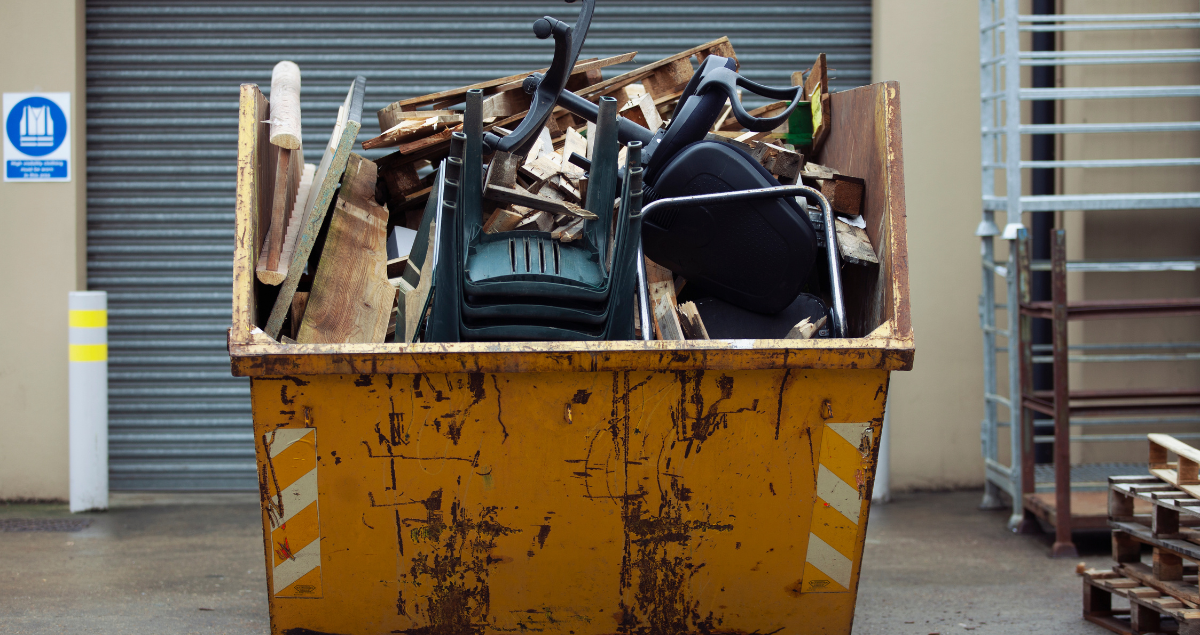
For businesses generating construction waste, excavation spoil and similar inert materials, the practical question is whether landfill remains the most sensible disposal route, or whether recovery, reuse and recycling alternatives now make stronger commercial sense. In many cases, the numbers are beginning to shift that calculation.
What was confirmed and what was shelved
The government has confirmed the two-rate structure will be maintained. The plan to converge the standard and lower rates into a single rate by 2030 has been shelved for now. But this does not mean rates will stop rising. The government has also confirmed that the gap between the two rates will not be allowed to widen further, which sets a floor but not a ceiling on the lower rate’s future trajectory.
The Landfill Communities Fund which allows landfill operators to contribute to an approved Environmental Body and claim back 90% of that contribution as a credit against their landfill tax bill remains in place. The 5.3% cap on the total credit claimable applies for 2026/27. For multi-site businesses reviewing waste contracts in light of these changes, it’s often worth looking at facilities-wide waste management rather than reviewing costs site by site.
The broader cost picture to be aware of
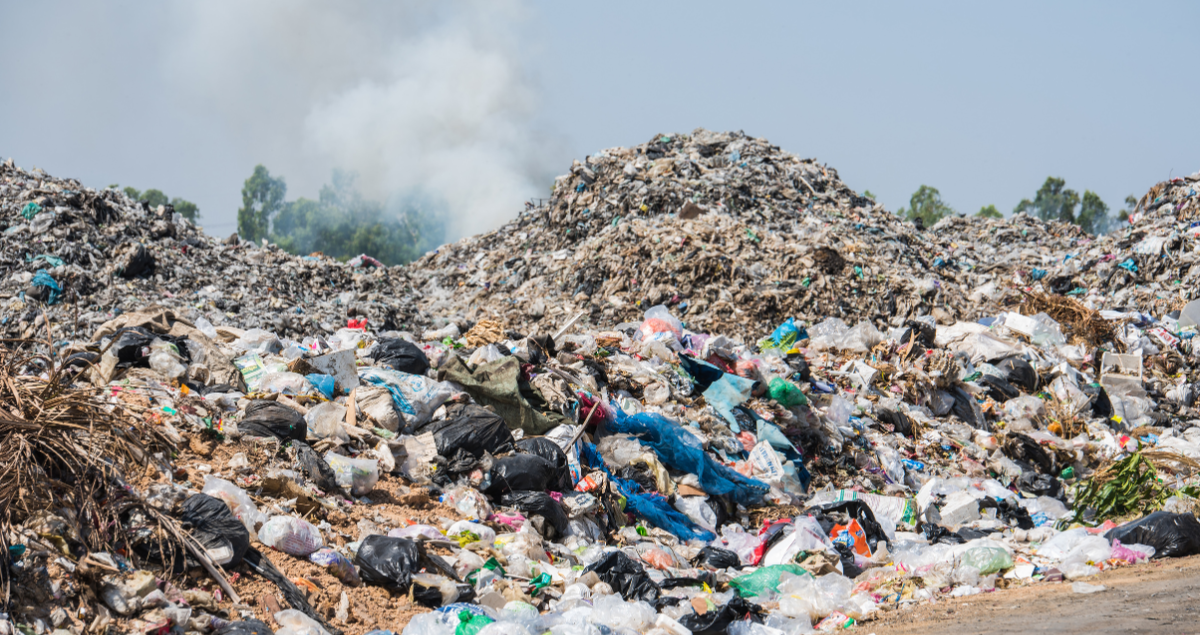
Businesses should also be aware that the UK Emissions Trading Scheme is expected to expand to cover Energy-from-Waste facilities from 2028 onwards. This will increase the cost of alternative disposal routes such as our wider bulk recovery services, changing the economics of inert waste management further still. Landfill is not the only route that is becoming more expensive. The entire disposal cost landscape is shifting, particularly for engineering and manufacturing businesses generating mixed inert and process waste.
Soil and aggregate recovery, concrete crushing and reuse, and material recycling routes through our collections service that avoid landfill entirely have all become more commercially attractive relative to disposal. If your current waste disposal contract was priced before April 2026, it is worth reviewing whether the cost assumptions still hold — our myWaste app gives clients real-time visibility of recycling volumes and costs to make that easier, and it’s worth checking whether your container and skip provision is still the right fit too. In some cases, buying reconditioned industrial packaging rather than new is another way to reduce both cost and landfill dependency.
Whatever sector you’re in, our sectors overview and our detailed guide to how industrial container recycling works are good starting points for understanding which alternatives could work for your business.

The UK’s battery recycling regulations are heading for their most significant overhaul since 2009, and the debate about how to design the new system is one that matters enormously for the long-term health of the UK’s recycling infrastructure. At the centre of that debate is a proposed compliance fee mechanism that, on the surface, looks like a sensible way to incentivise better performance. We think it is the wrong answer to the right question, and it is worth explaining why.
A compliance fee tells schemes what happens when they fail to meet their targets. It does nothing to address why they are failing. That is not a policy. It is a workaround.
The lead acid problem that nobody talks about
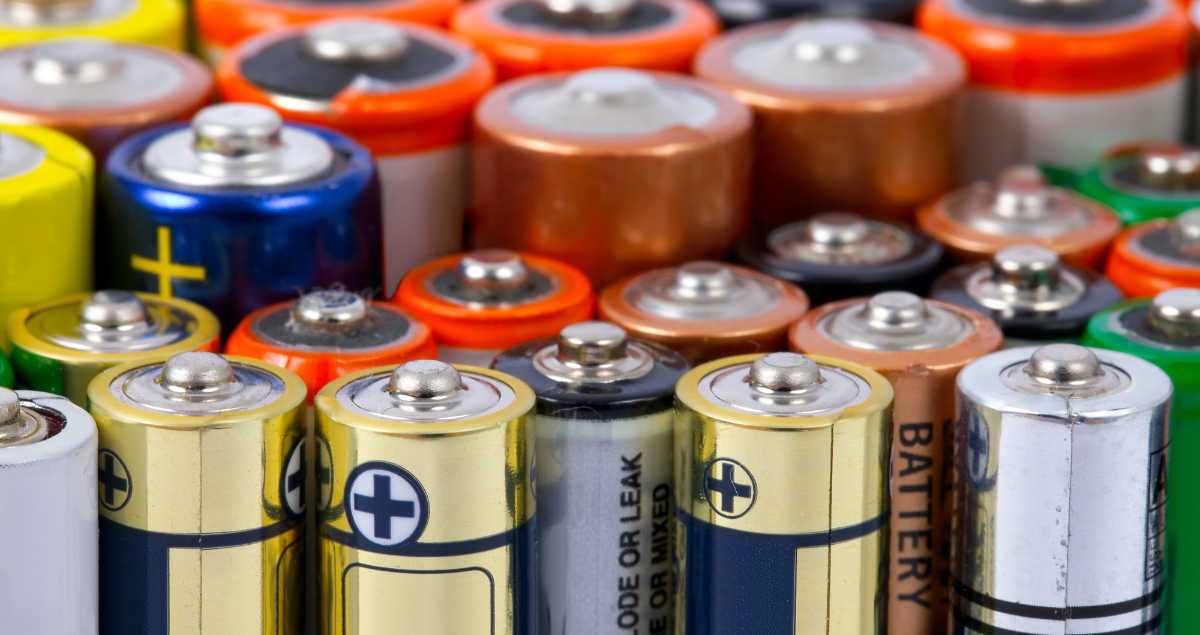
Here is something that rarely makes it into mainstream coverage of battery recycling in the UK. The country technically meets its battery recycling targets. On paper, the numbers look reasonable. In practice, those numbers are built almost entirely on the recycling of lead acid batteries, the large, heavy batteries found in vehicles and industrial equipment, rather than on the portable batteries that consumers throw away every day.
Lead acid batteries are heavy, straightforward to recycle and generate strong commercial returns from the recovered lead. They are processed in large volumes by a small number of well-established operators, and the Battery Evidence Notes generated by their recycling are relatively cheap to procure. Compliance schemes, whose job it is to ensure their producer members meet recycling targets, have found that buying lead acid evidence is a considerably more cost-effective route to hitting their annual obligations than investing in the infrastructure needed to collect and recycle portable alkaline or lithium batteries, which are lighter, more dispersed, more expensive to handle and, in the case of lithium, come with genuine safety considerations.
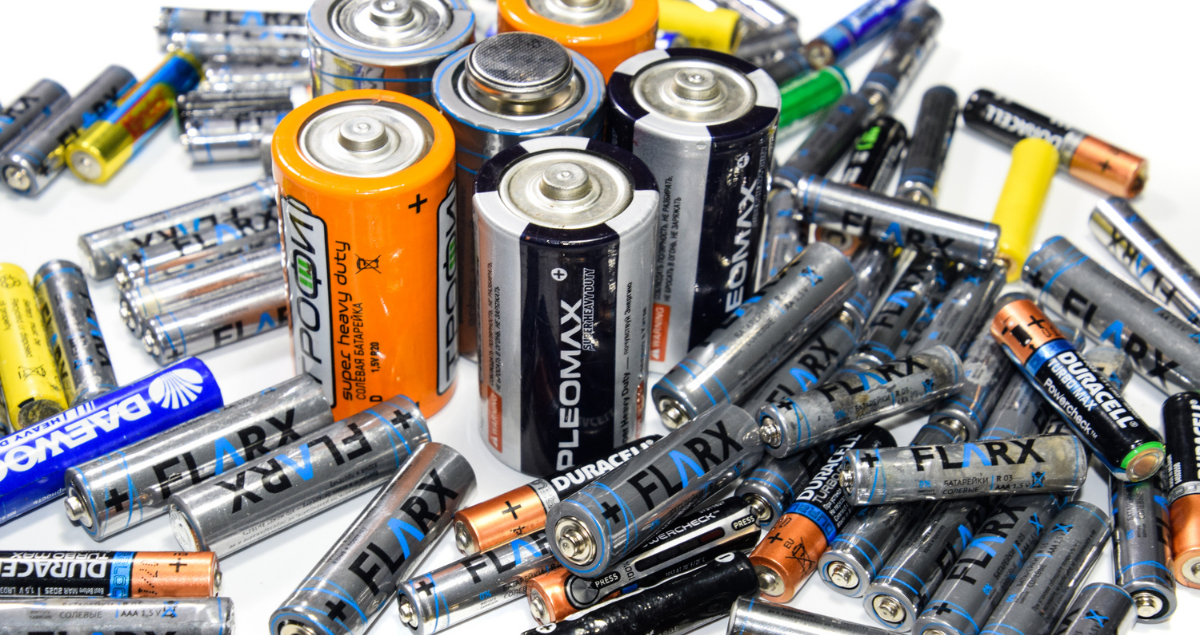
The result is a system where the headline recycling rate looks acceptable but the batteries that consumers actually use every day, the AA batteries in the kitchen drawer, the lithium cells in the vape, the rechargeable pack in the power tool, are not being collected at the rates the regulations were designed to achieve.
The UK technically meets its battery recycling targets. But those numbers are built almost entirely on lead acid batteries from vehicles and industry, not the portable batteries consumers throw away every day. The targets are being met. The problem is not.
It would be wrong to pretend this dynamic has not touched even those schemes with the strongest commitment to portable battery collection. Wastecare operates the UK’s largest battery compliance scheme and has made a deliberate strategic decision to reduce its reliance on lead acid evidence over time. But to remain competitive enough to sustain the scheme, and therefore to sustain the portable battery collections that are the whole purpose of running it, some lead acid evidence has had to be procured. That is not a comfortable admission, but it is an honest one, and it illustrates precisely why the structural problem is so difficult to escape from within the current framework.
Even Wastecare, with the strongest commitment to portable battery collection, has had to procure some lead acid evidence to remain competitive enough to sustain its scheme. If the market’s most committed collector faces this tension, the picture for schemes with no such commitment is considerably more acute.
What the new regulations are trying to fix
The government’s proposed update to the battery regulations would introduce modulated fees by battery chemistry. In plain terms, this means schemes would no longer be able to hit their targets by recycling one type of battery to the exclusion of others. They would have obligations matched to the specific battery chemistries their producer members are placing on the market, forcing genuine engagement with the full range of portable battery types including lithium.
That modulation principle is the right direction. It closes the lead acid loophole and creates a direct link between what producers put into the market and what they are responsible for recovering from it. The challenge is that the proposed mechanism for dealing with schemes that fail to meet their modulated targets is a compliance fee, similar in structure to the one that already exists in the WEEE system.
Why the compliance fee model does not work
The WEEE compliance fee funds Material Focus, an independent not-for-profit organisation that uses the money to run consumer awareness campaigns and initiatives designed to increase electrical recycling rates. Material Focus received £5.3 million from the WEEE compliance fee in 2025. In that same year, total household WEEE collections increased by 3.61% compared to 2024. That sounds positive until you look at the other side of the equation: the amount of electrical and electronic equipment placed on the UK market grew by 5.51% over the same period. The gap between what is going into the market and what is being recovered is not closing. It is widening, and it is widening despite the compliance fee mechanism operating as designed.
The Battery Recyclers Forum, in correspondence with Defra, has been explicit about the risk of replicating this model for batteries. Graeme Parkin, Director of Net Zero Environmental and Chair of the Battery Recyclers Forum, put it directly: a compliance fee risks embedding the same behaviours at a critical point in the development of the UK battery system, providing an easier route to compliance for producers rather than incentivising the investment required to capture the significant volumes of batteries currently being lost to landfill and energy-from-waste.
Material Focus received £5.3 million from the WEEE compliance fee in 2025. Collections grew by 3.61%. The amount of material placed on the market grew by 5.51%. The gap is widening, not closing, despite the mechanism operating exactly as designed.
The real problem the fee does not address
The compliance fee, as a mechanism, is essentially a financial penalty for failing to meet a target. It does not address why the target is being missed. In the context of portable battery recycling, the reasons are structural: consumer awareness of battery recycling is low, collection infrastructure is patchy and inconvenient, and the unit economics of collecting and processing small portable batteries, particularly lithium cells, make investment unattractive without a genuine push from the regulatory framework.
What is particularly frustrating about this debate is that increasing portable battery collection through existing routes need not involve significant additional cost. Collection rates at Morrisons have doubled through relatively straightforward changes to their in-store recycling units, making them more visible and more accessible to shoppers. No new infrastructure. No doorstep collections. No complex logistics programme. Just better placement, better visibility, and a modest investment in making the right thing easy to do.
Battery collection rates at Morrisons have doubled through changes to the visibility of in-store recycling units, at only marginal additional cost. No new infrastructure. No doorstep collections. Just making the right thing easy to do.
Wastecare’s position in this landscape
It would be wrong to discuss this issue without being transparent about where Wastecare stands. As the UK’s largest battery compliance scheme and its largest collector of actual portable batteries, we are not commenting from the outside. We are the largest participant in the system, spanning both our compliance schemes and our wider bulk recovery operations, and we are saying clearly that the proposed mechanism will not work. Find out more about Wastecare Compliance, including the scale of accounts and recycling performance behind that claim.
Throughout this process, and at cost to ourselves, we have continued to collect genuine portable batteries from retailers across the UK, maintaining collections that other operators have found uneconomic precisely because the current framework does not reward the effort. We work closely with partners including Duracell to run joint initiatives alongside retailers specifically designed to increase consumer recycling rates, not simply to generate compliance evidence. We know from direct operational experience that collection rates can be moved significantly through the right combination of in-store infrastructure, consumer messaging and retailer engagement, particularly in retail, office and healthcare environments, which typically generate the highest volumes of everyday portable alkaline and lithium waste.
As the UK’s largest battery compliance scheme and its largest collector of actual portable batteries, we are not commenting from the outside. We are the largest participant in the system, and we are saying clearly that the proposed mechanism will not work.

What we think should happen instead
The upcoming regulatory reform is an opportunity to put in place a system that genuinely drives collection rates, supports UK recycling capacity and delivers against the policy objectives that the lead acid workaround has been obscuring for years.
That means chemistry-based modulated fees that create real obligations for schemes to address the battery types their members are actually selling. It means direct investment in consumer-facing collection infrastructure, particularly for lithium batteries, that makes proper disposal easy and accessible, and registering with a scheme built to deliver it — see how producers register and benefit from membership. It means honest scrutiny of whether compliance-fee-funded programmes are delivering measurable outcomes rather than simply spending money and reporting on activities. And it means using the genuine expertise of specialist battery collectors and scheme operators who have been building this infrastructure at their own cost while the framework has allowed others to take an easier route.
The WEEE compliance fee has had years to demonstrate that the model works. The Material Focus data tells a clear story about the results. Repeating that model for batteries, at a moment when the stakes around lithium battery safety are higher than ever, would be a missed opportunity that the sector will be living with for a long time.
For the broader background on how battery producer compliance works with Wastecare, read our full guide to battery recycling and compliance.
If you supply, import or manufacture products that use packaging, 2026 has brought with it a bill that, for many businesses, has come as a genuine shock. Extended Producer Responsibility for packaging, known as pEPR, is not new in principle, but the scale of what it now costs in practice is catching a significant number of producers off guard. For many smaller manufacturers and wholesalers, it has quietly become the single largest producer compliance cost on their books, despite not existing at all just over a year ago.
This article explains why, and more importantly, what you can do to minimise your costs.

From flat fees to traffic lights
In its first year, pEPR charged producers a flat rate per tonne of packaging placed on the market — the same scheme our PackCare packaging compliance scheme has supported members through since it first launched. The fees varied by material but were straightforward to calculate. Plastic, for example, attracted a base fee of £423 per tonne, while glass sat at £192. Significant costs, certainly, but at least predictable ones.
From 2026, that simplicity has gone. Replaced with fees that are now calculated based on the technical recyclability of packaging rather than weight alone, using a red, amber and green rating system managed by PackUK, the scheme’s appointed administrator. Green-rated packaging, meaning materials that meet high UK recycling criteria, attracts a modest discount. Amber sits at the base rate. Red-rated packaging, covering materials considered difficult to recycle, faces a 20% surcharge above the base rate.
In practical terms for plastic packaging, illustrative fees published by the government put the range from £415 per tonne for green-rated material up to £545 per tonne for red-rated, with confirmed fees expected in June 2026. That is not an insignificant gap, and it widens further in future years, as set out in PackUK’s Producer Fees Modulation Policy Statement. Red-rated material attracts a 1.2 times multiplier in 2026/27, rising to 2.0 times the base fee by 2028/29, meaning the cost of inaction compounds year on year.
From zero to their biggest compliance bill in twelve months. For many producers, that is the EPR reality of 2026.
Critical detail most producers are missing
Here is the part that is causing real problems in practice. Any packaging that has not been assessed under the Recyclability Assessment Methodology, known as RAM, defaults automatically to a red rating. This means that businesses which have not yet worked through their packaging classifications are not sitting in a neutral position waiting for clarity. They are already in the most expensive category by default, and will be paying accordingly — the same EPR data reporting infrastructure that RAM assessment sits within, and the one PackUK has previously extended deadlines for when producers needed more time.
From our conversations with customers across manufacturing and wholesale sectors, it is fair to say that awareness of RAM status among smaller producers is low. Many are guessing their classification, defaulting to red without realising it, or simply not knowing that an assessment is required at all. The bills, however, have arrived regardless, and for a significant number of businesses they represent an eye-watering new reality.
Businesses that have not assessed their packaging under RAM are not sitting in a neutral position. They are already in the most expensive category by default, and paying accordingly.

The counterintuitive commercial logic
What is particularly interesting is how larger producers are responding, and the lessons it holds for everyone else. You might expect that, given plastic attracts higher fees per tonne than glass, businesses would be shifting toward glass container packaging. The reality is often the opposite. Despite plastic carrying a higher fee rate, the actual weight of plastic packaging per unit is dramatically lower than the equivalent in glass, meaning the total fee liability per product can be lower even at the higher rate.
Larger corporates with procurement teams working through the numbers are already making packaging decisions based on this kind of analysis, treating RAM classification as a financial risk management exercise rather than a compliance box to tick, a shift the House of Commons Library’s own briefing on pEPR also traces back to the scale of cost now being shifted onto producers. For smaller producers without that resource, the calculation is harder but no less important. And the consequences of getting it wrong are becoming more expensive with each passing year.
When deciding your packaging options, you not only need to consider the suitability of the packaging material, your customers’ preference and your cost for PRNs, but also the impact of RAM.
Despite plastic attracting higher fees per tonne than glass, many large producers are moving toward plastic. When the weight per unit is dramatically lower, the maths still works in plastic’s favour.
When the rules create the wrong incentive
Perhaps the most striking illustration of where the current system needs refinement is an edge case that speaks to a broader tension in the regulations. Consider a producer who uses cardboard for virtually all of their packaging, with a minimal amount of plastic included only for consumer safety reasons — exactly the kind of format our wider bulk recovery services help producers redesign around. By any reasonable measure, this is responsible, sustainability-conscious packaging design.
However, because that plastic element falls below 4cm square, it is automatically classified as red under the current RAM methodology, regardless of its functional necessity or the otherwise excellent profile of the overall packaging. The producer is now faced with an uncomfortable choice: accept the red rating and pay the surcharge, or increase the amount of plastic in the packaging to meet the size threshold that would allow a more favourable classification.
The regulations, in this specific scenario, are creating a financial incentive to use more plastic, not less. This is exactly the kind of unintended consequence that regulators need to hear about, and it is a reasonable expectation that the RAM methodology will be refined as more of these edge cases come to light. PackUK has published a RAM roadmap through to 2030, so the methodology will evolve, but that is cold comfort for producers facing invoices today.
In one edge case, the regulations are creating a direct financial incentive for a producer to use more plastic, not less. That is not how this is supposed to work.
What you should do now
The cost trajectory under pEPR is clear: inaction is expensive. Here is where to start:
- Check whether your packaging has been assessed under RAM, if not, you are being charged at the red rate by default
- Work through the RAM assessment for your packaging formats, or seek advice from your compliance scheme on how to do this
- Model the financial impact of alternative packaging materials; the relationship between material, weight and fee can produce counterintuitive results
- Factor RAM classification into new packaging design decisions from the outset rather than retrofitting compliance after the fact
- If you are a Wastecare Compliance packaging member, speak to your account manager about fee optimisation options
Find out more about Wastecare Compliance, including the scale of accounts and recycling performance behind our packaging compliance support. And if you’re also planning ahead for the 2027 Deposit Return Scheme, our guide to what that scheme means for your business covers another major packaging compliance change worth preparing for now.

E-waste is a term to describe electrical or electronic equipment that are old, end-of-life or discarded. It is commonly known as Waste Electrical and Electronic Equipment (WEEE)
Why is it important we talk about e-waste?
- E-waste is the fastest growing solid waste stream in the world
- In 2019 an estimated 53.6 million tonnes of e-waste was produced globally, but only 17.4% was documented as formally collected and recycled
- Lead is one of the most common substances released into the environment if e-waste is recycled, stored, or dumped using inferior activities, such as open burning
- Exposure to harmful chemicals can cause neurodevelopment, learning and behavioural outcomes in children
What measures are taken to prevent e-waste?
- Development and implementation of national e-waste management legislations that protect public health
- Producer and Distributor obligations
- Takeback schemes
How can I prevent e-waste?
- Acting to increase the life expectancy of existing hardware and devices. Regularly completing software updates and clearing out old files will help to improve the performance of electronics.
- Ensuring devices have extended warranty in place will not only help to resolve issues quickly when they do happen, but also help to keep WEEE functioning longer.
- If you’re a producer, join a WEEE compliance scheme. If you place more than 5 tonnes of EEE on the UK market in a compliance year, you must join a producer compliance scheme.
As the amount of e-waste produced continues to grow, we must change the way in which we manage and prevent e-waste from causing irreversible damage to the environment and communities. A collective action is required for said change to be effective. Consumers can be of aid by prolonging upgrading devices that still function, whilst producers can join compliance schemes to compile their evidence of recycled WEEE and EEE that you place on the market to ensure that their legal obligations are met in accordance with the UK legislation.
If you’re unsure about your obligation or what your best option may be, you can contact our recycling team to discuss our collection service recycling@wastecare.co.uk
Get in Touch
Contact our friendly team of experts to arrange a collection or just enquire about our services.
Call us today on 0800 091 0000
or email us on recycling@wastecare.co.uk
Wastecare Environmental Trust worked with Yorkshire Children’s Charity and Battrecycle to build an outdoor learning space for Sherburn Hungate Primary School.
The children of SHP had limited access to safe green spaces in their personal lives due to the deprived area around them. The addition of the Forest School will allow the children to have access to a suitable outdoor space which the teachers will use for lessons and activities.
In this space, the children will be able learn about the different types of minibeasts and the ecosystems around them. The Forest School includes:
- Accessible walkways
- A sheltered seating area with a fire pit
- Sensory pathways
- A mud kitchen
- A den building area
- Planting areas
We’re thrilled with the outcome of the Forest School and the impact it has had on the community already. This wouldn’t have been possible without the support of Yorkshire Children’s Charity and Battrecycle.
You can keep up to date with future projects on our website and social channels!

Get in Touch
Contact our friendly team of experts to arrange a collection or just enquire about our services.
Call us today on 0800 091 0000
or email us on recycling@wastecare.co.uk
What is the Wakefield Top 100?
The Wakefield Top 100 is an initiative that aims to help shine a light on the businesses of Wakefield, promoting the district as a place to do business with unrivalled investment and growth opportunities.
The initiative is a joint project between Wakefield First as a part of Wakefield council, The University of Huddersfield and 3M Buckley innovation Centre, and is designed to celebrate and measure business growth across the region.
The Wakefield Top 100 will be published every spring, the list is compiled by Huddersfield Business School, using a set of consistent measures that include a combination of turnover, profit, employee numbers and growth.
Who are Wastecare Group?
Wastecare are a waste management provider that specialise in hazardous and challenging waste. Since 1980 Wastecare have offered a unique recycling and waste management service that enables them to service waste producers from all sectors and industries, from collection to recovery.
We are very proud as a company to have been recognised by the Wakefield District, and listed among some fantastic businesses who are helping to innovate industries within the area.
Read about all the companies that made it into The Wakefield Top 100 here
For any media enquires contact marketing@wastecare.co.uk
Get in Touch
Contact our friendly team of experts to arrange a collection or just enquire about our services.
Call us today on 0800 091 0000
or email us on recycling@wastecare.co.uk
Workplace recycling segregation changes
From April 6th 2024, The Welsh Government is introducing new regulations to improve the quality and quantity of how businesses collect and separate waste. From tomorrow, it will become law that all businesses, charities, and public sector organisations must sort their waste for recycling. This law also applies to all waste and recycling collectors and processors who manage household-like waste from workplaces.
The new law affects these materials:
- Food
- Paper and card
- Glass
- Metal, plastic, and cartons
- Textiles
- Small WEEE
These materials will need to be separated for collection and collected separately.
There will also be a ban on:
- Sending food waste to sewers
- Separately collected waste going to incineration and landfill
- All wood waste going to landfill.
This law applies to ALL businesses, charities, and public sector organisations – they all need to separate their waste.
The only workplace that is temporarily exempt from this law is NHS hospitals and private hospitals, who will have an additional two years to comply.
Waste Hierarchy
These regulations include a requirement for any establishment or undertaking which imports, produces, collects, transports, recovers or disposes of waste, or which as a dealer or broker has control of waste, to take all reasonable measures that applies to the following waste hierarchy as priority when waste is transferred to another person.
- Prevention (Measures, taken before a substance, material or product has become waste)
- Preparing for re-use (Checking, cleaning, or repairing recovery operations, so products or components that become waste can be reused without any other preprocessing)
- Recycling (Any recovery operation by which waste materials are reprocessed into products, materials, or substances, whether for the original or other purposes)
- Other recovery (Any other operation the result of which is waste serving a useful purpose by replacing other materials which would have been used to fulfil a function)
- Disposal (Any operations which is not recovery. E.g landfill, incineration)
How can Wastecare help?
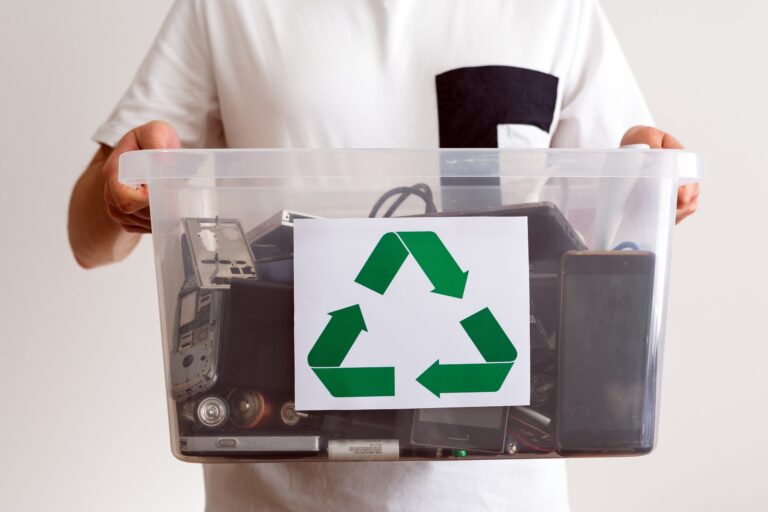
Due to new regulations small Waste Electrical and Electronic Equipment (sWEEE) must be separated from other waste streams before collection. Wastecare can collect your business’s WEEE, recycle or recondition these appliances, and offer a rebate on any value we recover.
sWEEE includes kettles, toasters, clocks, watches, laptops etc. Many of these items are commonly found in workplaces, and with the new regulations you MUST comply.
Regardless of type or condition of your business’s WEEE, Wastecare are here to help. We provide specialist WEEE containers, and a regular, licensed collection service via our nationwide network of vehicles.
Wastecare may provide rebates for WEEE if it is deemed fit for reuse at our AATF site in Normanton. We returned over £16 million to clients in 2023 from recovered materials.
If you import or place household electrical equipment or onto the UK market, you may need to register as a EEE producer and enrol with a Producer Compliance Scheme. If your company places portable batteries onto the UK Market you may also need to register with a Battery Producer Compliance Scheme.
As one of the largest collectors and recyclers of WEEE and the largest collector and recycler of portable batteries in the UK, this enables us to provide sustainable low prices. We also pass on any third-party EA-recognised evidence that is made available to us at cost price.
Get in Touch
Contact our friendly team of experts to arrange a collection or just enquire about our services.
Call us today on 0800 091 0000
or email us on recycling@wastecare.co.uk
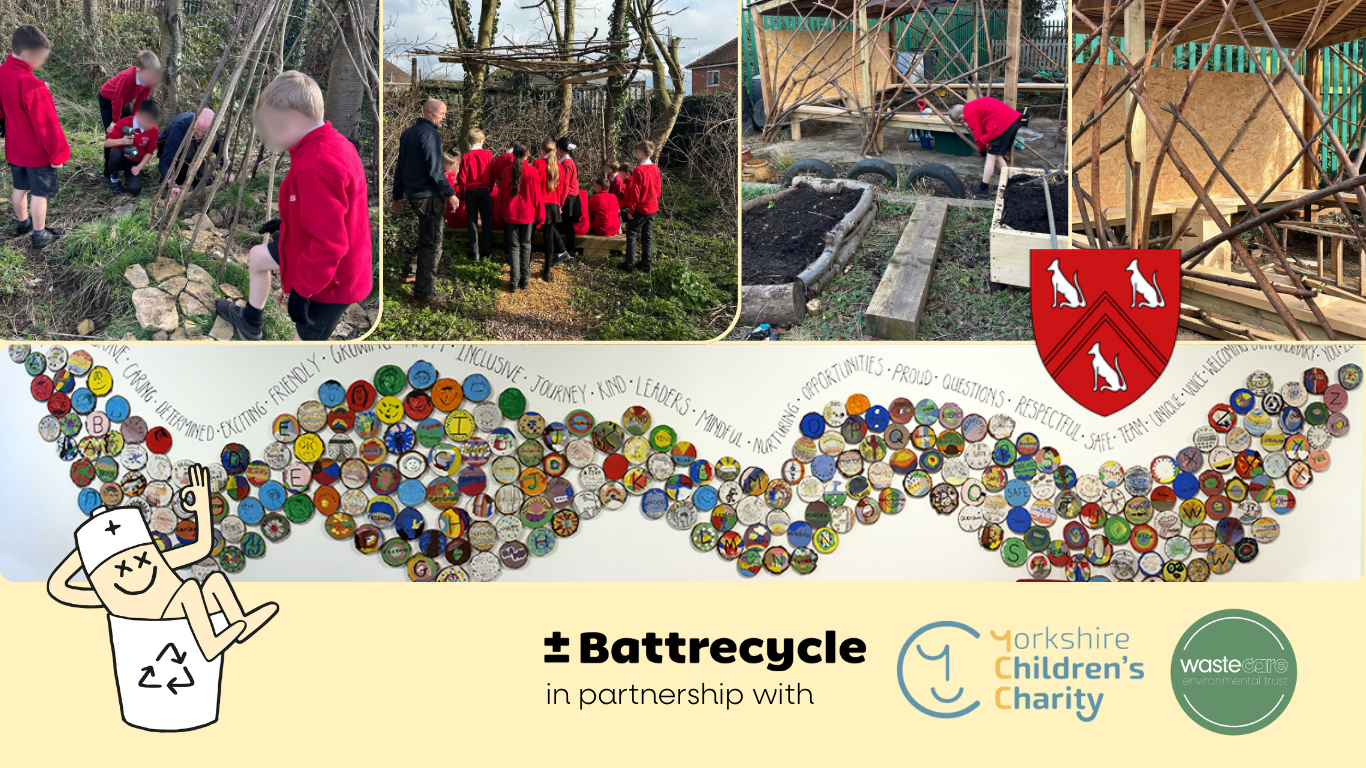
We are pleased to announce our partnership with, Yorkshire Children’s Charity, Batterecycle, and Elite Forest Schools, to support Sherburn Hungate Primary with their Forest School project!
About Sherburn Hungate Primary
The students and staff of Sherburn Hungate Primary (SHP), located just east of Leeds, are an inspiring community who prioritise the education and wellbeing of everyone who passes through the school. This is evident through the rapid growth of the school’s size, which originally only had one form per year group with 15 students per form. Fast-forward to today, they have expanded their class sizes and now have two forms per year group!
The Wastecare and Battrecycle team recently spent some time with the SHP staff. After explaining that during the expansion in pupil intake, the school quickly outgrew the school’s original values. So together with their students, they worked to create 26 new values. from A-Z, all aligning with what the students wanted to embody throughout their time at SHP. These values include:
- Determined
- Inclusive
- Mindful
- Respectful
The school prides themselves on these values and aim to never turn a child away when intaking new students.
On the back of these values, SHP have worked hard to educate the children on the importance of recycling and how they can implement it into their day-to-day life. The school is also split into four Houses, all championing an environmental theme – North is Electricity, East is Water, South is Sustainability and West is Recycling.

Why a Forest School?
SHP hope that with the rising popularity of social media among younger school children, building a Forest School will be key to encouraging them to reconnect with nature and enjoy being outside.
The school has a mixed intake demographic, with a large proportion of their pupils and their families living in poverty. Yorkshire Children’s Charity have been working with SHP for some time now providing grant funding for specialist equipment for disabled pupils, along with winter coats, school shoes, and Christmas presents for children who would’ve otherwise gone without.
The level of deprivation in the surrounding area unfortunately means a lot of these pupils can lead very isolated lives – this includes not having access to local parks or green spaces outside of their estate, and likely spending the 2020 lockdown inside the same four walls.
This is where Yorkshire Children’s Charity, Elite Forest Schools, Wastecare Environmental Trust and Battrecycle come in!
As a result of receiving their grant, SHP have built their Forest School across two areas of the school grounds. Features of their Forest School include:
- Accessible walkways
- A sheltered seating area with a fire pit
- Sensory pathways
- A mud kitchen
- A den building area
- Planting areas with raised flower beds to allow accessibility for children in wheelchair
The Forest School will provide not only a way to learn and connect with the natural world but also a space for self-reflection in challenging situations.
The children have also got stuck into the build! They were tasked with designing a path for the Forest School, in which each child filled a square with stones of their choice to create a path that will allow children with accessibility needs to go to and from the forest school. The paths have been tested, and proven acceptable for the children’s needs.
We can’t wait to see how the SHP’s Forest School develops and grows as we move into the warmer months!
SHP’s Forest School is the first project funded via Battrecycle and has provided a brilliant framework on how we plan to move forward and roll this initiative out nationwide. Building relationships with organisations such as Yorkshire Children’s Charity and Elite Forest Schools is fundamental to us getting these community projects off the ground as quickly as possible.
If you would like to follow along with SHP’s Forest School journey or potential future projects, check out Battrecycle’s website or their socials:

Battrecycle Funding Opportunities
They will be shortly launching their application process for community project funding via their website.
If you have any questions regarding the funding process, please to get in touch with their team at hello@battrecycle.org
Who are Yorkshire Children’s Charity?
Yorkshire Children’s Charity are a new charity that comes with a huge amount of experience and a big heart.
Their mission is to transform the childhoods of the thousands of disadvantaged children throughout the region. They want to make sure that no child or young person in Yorkshire is left behind due to ill health, disability, or financial circumstance. They work hard to give young people a fair chance: a chance to live an inclusive life, full of opportunities to explore, where they can engage in the world around them.
Get in Touch
Contact our friendly team of experts to arrange a collection or just enquire about our services.
Call us today on 0800 091 0000
or email us on recycling@wastecare.co.uk


