What are the Benefits of Used Cooking Oil Collection for Hospitality & Catering Businesses?
Most commercial kitchens produce used cooking oil every single day. It can’t go down the drain, it can’t go in the bin and it can’t be handed to just anyone who offers to take it away. For businesses without a proper used cooking oil collection arrangement in place, the consequences range from blocked drains and costly call-outs to Environment Agency penalties and Duty of Care breaches. Getting it sorted is straightforward and the benefits go well beyond just staying on the right side of the law.
What UK Law Says About Used Cooking Oil Disposal
Used cooking oil (UCO) is classified as a controlled waste under the Environmental Protection Act 1990 and the Waste Regulations 2011. That means specific legal obligations apply to every business that produces it, regardless of size or sector. The core requirements are:
• It must be stored in appropriate, sealed containers on site
• It must be collected and treated by a licensed waste carrier
• It cannot be poured down drains, mixed with other waste, or handed to an unregistered collector
• Every collection must be accompanied by a Waste Transfer Note as evidence of compliant disposal
Businesses that fall short of any of these requirements are in breach of their Duty of Care, which can result in Environment Agency penalties even where there was no deliberate intent to cause harm. The Wastecare FAQs cover what documentation is required and how to make sure every collection is fully covered.
The Rogue Collector Problem and Why It Matters for Your Business
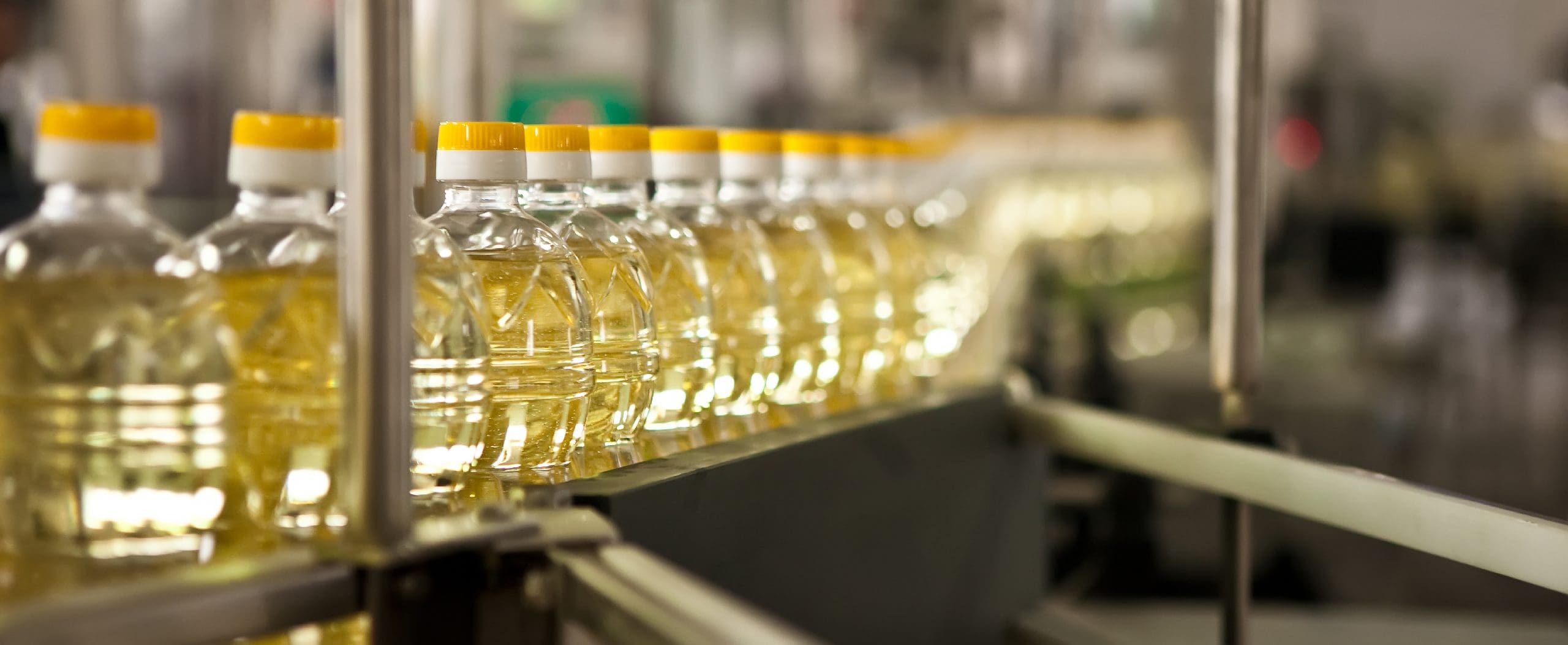
Used cooking oil has real commercial value as a raw material for biodiesel and renewable fuels. That value has attracted a growing number of unlicensed collectors who approach businesses, often offering to take oil away for free or at a low cost without providing proper compliance documentation. It looks like a good deal, but it’s a significant risk.
A business’s Duty of Care for its waste doesn’t end when the oil leaves the premises. If UCO is handed to an unregistered collector and that collector disposes of it improperly, the business that produced it can be held liable. The potential penalty for a Duty of Care breach far outweighs any saving on collection costs. Working with a licensed carrier like Wastecare, with documented collections and digital Waste Transfer Notes for every pickup, removes that liability entirely.
How Used Cooking Oil Gets Recycled Into Renewable Fuel
Once collected by Wastecare, every litre of used cooking oil is recycled into renewable fuels, mainly biodiesel and sustainable aviation fuel. These fuels replace fossil fuels and help cut carbon emissions across the transport sector. For hospitality and catering businesses with sustainability or ESG reporting commitments, being able to demonstrate that waste oil is being turned into renewable fuel, with full traceability through digital documentation, is a meaningful and verifiable credential.
Oil that would otherwise be a disposal problem becomes a useful part of a clean energy supply chain. That’s a much better outcome than oil going down a drain or disappearing with a rogue collector.
Can Used Cooking Oil Collection Generate a Rebate?
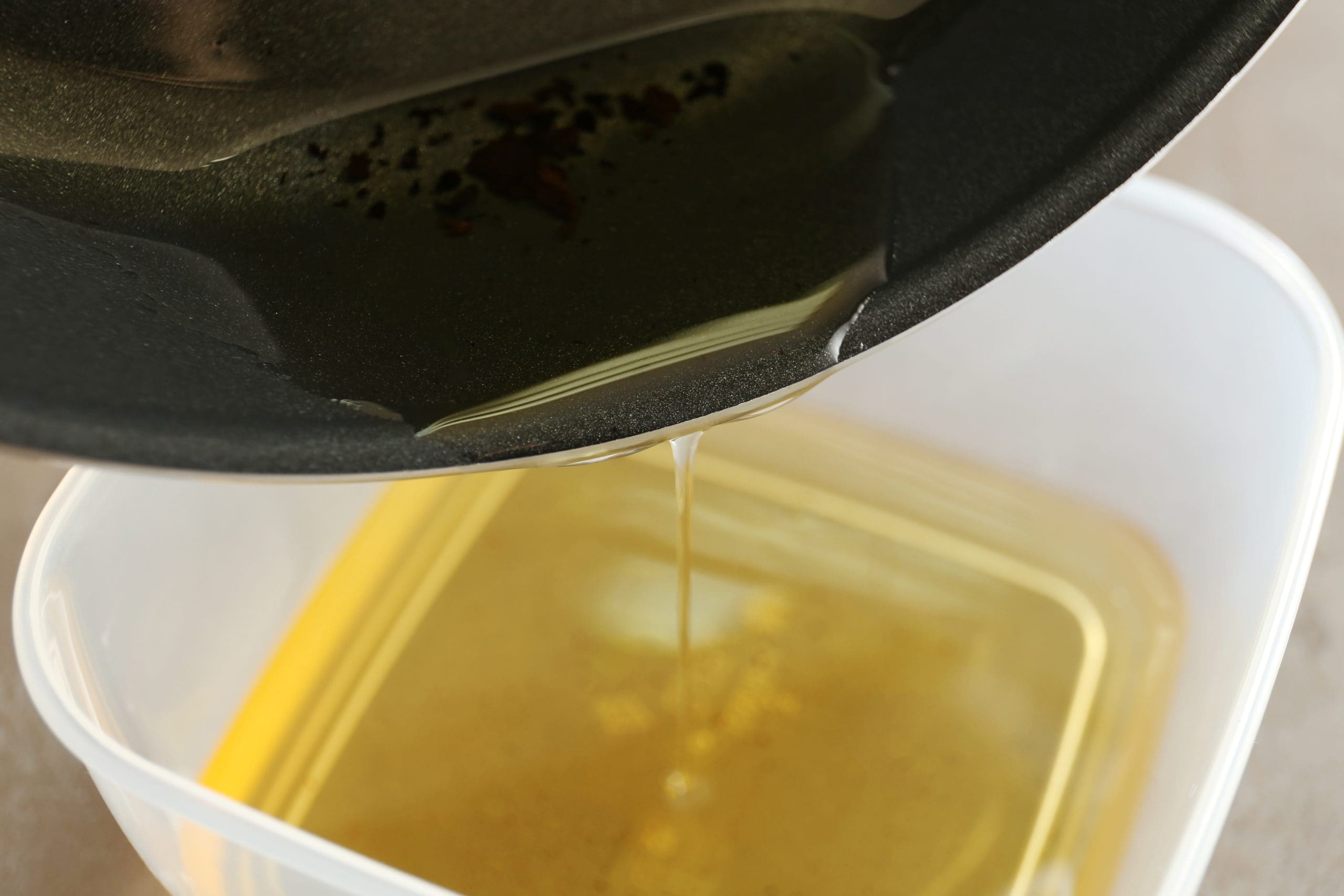
For high-volume producers, used cooking oil can generate a financial return rather than just a disposal cost. The value of UCO as a biodiesel feedstock means businesses producing significant volumes may be eligible for a rebate depending on the quality and quantity of oil collected.
Quality matters here. Oil stored correctly in sealed containers, away from contamination and food debris, commands a higher value. Regular collections also ensure the oil is collected before it degrades, which preserves that value. Businesses with no collection arrangement or inconsistent pickup schedules are leaving money on the table, as well as carrying unnecessary compliance risk. Wastecare returned over £16 million to clients from recovered materials in 2023 across all waste streams, which gives a sense of what compliant, well-managed waste collection can be worth commercially.
What Happens When Used Cooking Oil Isn’t Collected Regularly
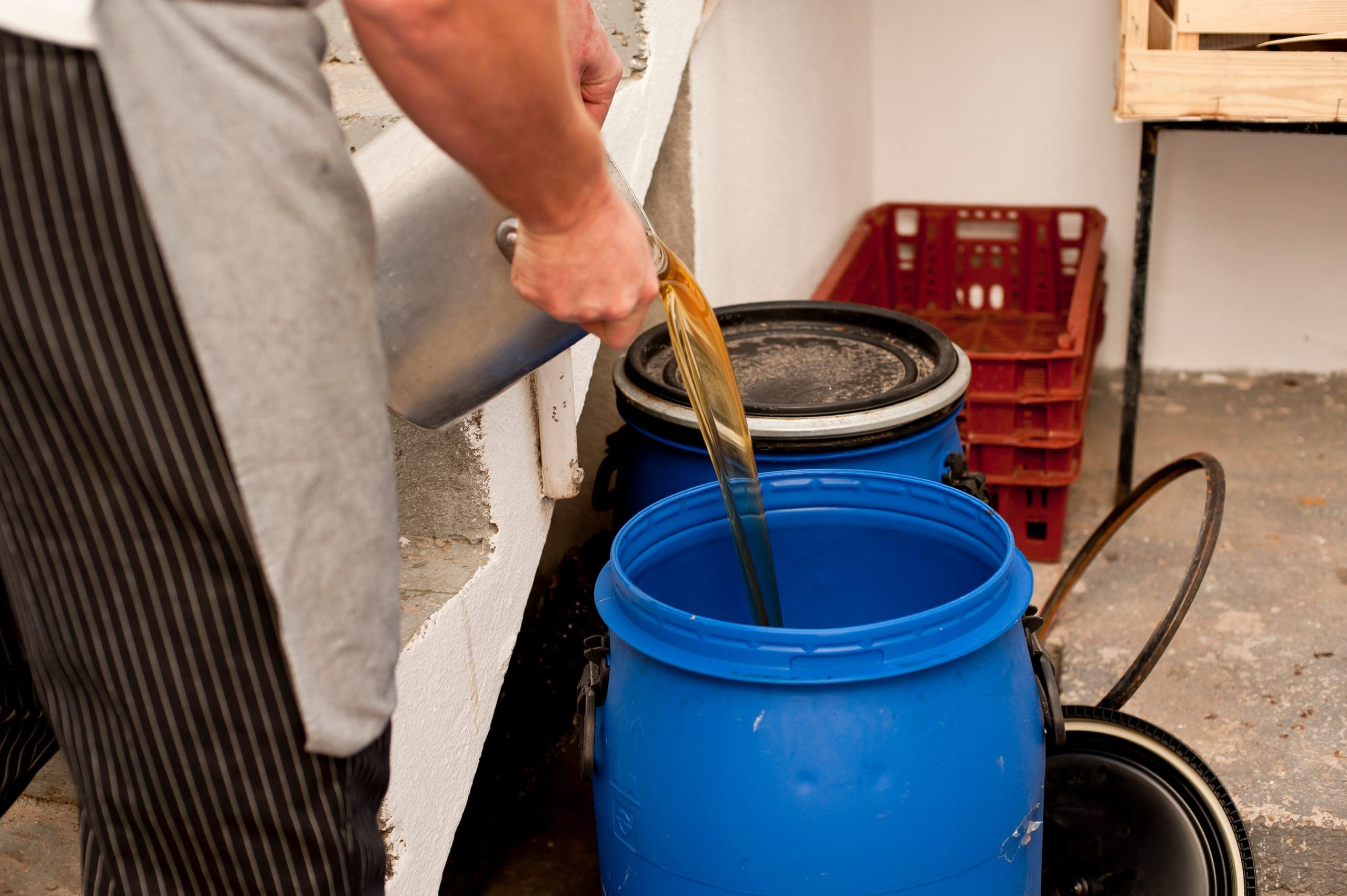
The problems that come with infrequent or absent UCO collection are predictable. Oil that isn’t removed regularly solidifies, blocking grease traps and drain systems. Clearing blocked drains in a commercial kitchen is disruptive, expensive and easily avoided with a scheduled collection in place.
Beyond drainage, stored oil that isn’t collected often enough creates odour problems, attracts pests and puts pressure on staff to deal with containers that are full or overflowing. Wastecare supplies appropriately sized containers and schedules collections at a frequency that matches each business’s output, so none of those problems arise. For businesses with seasonal variation in output, the collection schedule can flex to match.
Compliance Documentation and the myWaste Portal
Every used cooking oil collection by Wastecare is fully documented. Businesses receive a digital Waste Transfer Note for every pickup through myWaste, Wastecare’s free online compliance and reporting platform.
Through myWaste, businesses can see upcoming collections, track vehicles in real time, download compliance paperwork and view recycling percentages and carbon saving data. For any business subject to an environmental audit or internal sustainability reporting, having all of that in one place makes compliance considerably easier to manage. Collections can also be combined through the same account , WEEE,batteries and general waste can all be managed alongside UCO under a single collection arrangement.
How the Wastecare Used Cooking Oil Collection Service Works
Wastecare has over 40 years of experience in oil recovery and recycling, with 12 licensed service centres and a fleet of over 100 specialist vehicles operating across the UK. Over 38,000 businesses are active customers, ranging from independent cafes and takeaways through to national food manufacturers and multi-site catering groups.
The process is simple. Wastecare supplies sealed containers for on-site storage, schedules collections to match the volume being generated and arranges most first collections within a few days of enquiry. Every pickup is carried out by a licensed waste carrier, fully documented and traceable through myWaste. Businesses looking to arrange used cooking oil collection for the first time get a straightforward service with everything needed to stay compliant built in. For businesses that want to manage UCO alongside other waste streams, consolidating it all under hospitality and catering waste management with a single supplier removes the need to coordinate multiple contractors.
A proper used cooking oil collection arrangement removes legal risk, prevents operational problems, contributes to renewable fuel production and for higher-volume producers can generate a rebate. The myWaste portal makes compliance documentation automatic and combining collections across multiple waste streams means the whole thing can be managed without the administrative burden of multiple supplier relationships.
To arrange a get a quote contact us today through our online form or, call Wastecare on 0800 091 0000.