
We have been working directly with the Defra project team on the development of the UK’s Digital Waste Tracking Service participating in beta testing and actively contributing to the second phase of the project. We wrote about this when Defra first announced its intentions back in 2022, focused specifically on what it would mean for the Construction, Demolition and Excavation sector. This October’s mandatory deadline changes everything. The scope is no longer sector-specific, it affects every business in the UK that generates waste.
What Is Actually Changing?
Paper waste transfer notes are on their way out. From this month (October 2026), the entire chain of waste documentation goes digital. Is your contractor ready?
In plain terms, this means landfills, recycling centres, transfer stations and treatment facilities must record all incoming waste digitally from that date. Carriers, brokers and dealers follow from October 2027, with waste producers completing the picture in the phases beyond that.
The system replaces the current patchwork of paper Waste Transfer Notes and Hazardous Waste Consignment Notes with a centralised government platform, giving regulators real-time visibility of waste movements from source to destination for the first time. Each waste movement will carry a unique digital reference, with both the producer and the carrier completing their sections, and the receiving site confirming receipt, creating a complete and traceable chain of custody.
Why Wastecare Is Well Placed To Talk About This
Wastecare has been beta testing the government’s Digital Waste Tracking Service and contributing to its second phase. This is not a regulation we are reading about from the outside. We have been at the table helping to shape it.
Part of the reason we were invited to engage is that our internal Zeus platform already does much of what the national service is now aspiring to achieve, tracking waste movements digitally, generating compliant documentation and giving customers visibility of their waste streams in real time. The knowledge sharing has gone both ways, and it has given us a clear picture of both the ambition behind the project and the practical challenges ahead.
The Readiness Gap In The Industry
The first phase of the mandate falls on waste receiving sites rather than the producers generating the waste, so the immediate compliance pressure sits with the waste management industry itself. The honest picture is mixed. Larger waste operators using established software platforms are reasonably well placed. The major software providers have been engaged with the Defra project and are building API connections to the national system as a matter of course.
However, a significant portion of the waste industry remains technically behind the curve. Many smaller operators still rely on handwritten notes and basic spreadsheets, and for these businesses this month represents a genuine challenge. The practical consequence for waste producers is this: if your waste contractor is not part of the digital tracking system from this month, receiving sites will be legally required to record that incoming waste digitally, and carriers who cannot provide compatible data will increasingly become a liability. The choice of waste partner is about to become a compliance decision in a way it has not been before.
Carriers who cannot operate digitally from this month (October 2026) will become a liability for the sites they serve.
The first phase of the mandate falls on waste receiving sites rather than the producers generating the waste, so the immediate compliance pressure sits with the waste management industry itself. The honest picture is mixed. Larger waste operators using established software platforms are reasonably well placed. The major software providers have been engaged with the Defra project and are building API connections to the national system as a matter of course.
However, a significant portion of the waste industry remains technically behind the curve. Many smaller operators still rely on handwritten notes and basic spreadsheets, and for these businesses the October 2026 deadline represents a genuine challenge. The practical consequence for waste producers is this: if your waste contractor is not part of the digital tracking system from October 2026, receiving sites will be legally required to record that incoming waste digitally, and carriers who cannot provide compatible data will increasingly become a liability. The choice of waste partner is about to become a compliance decision in a way it has not been before. Carriers who cannot operate digitally from this month (October 2026) will become a liability for the sites they serve.
The Producer’s Legal Position, And Why It Matters More Now
Here is something that many waste producers do not fully appreciate. The legal duty to classify waste correctly and ensure it reaches an appropriate facility has always sat with the producer. Digital tracking does not change that. It just makes it considerably more visible when it has not been met.
With real-time regulatory access, the Environment Agency will be able to identify missing records, inconsistent data and suspicious patterns automatically, rather than relying on physical inspections. The audit trail will be continuous and visible. For producers working with fully compliant, digitally registered contractors, this is straightforwardly positive. For producers who have been less attentive about who they use and how their waste is documented, the increased scrutiny will feel more uncomfortable.
The transparency benefit cuts both ways too. Rather than receiving separate, independent reports from each waste contractor, producers will for the first time be able to see a unified, real-time view of all their waste streams in one place. That is a meaningful operational improvement for businesses managing multiple sites, multiple waste types or multiple contractors simultaneously.
What You Should Do Now
The deadline has passed and Here is what waste producers need to do:
• Ask your waste contractor directly whether they are registered with the Digital Waste Tracking Service or have a confirmed plan to be by the start of this month (October 2026)
• Understand that your legal duty of care remains yours digital tracking makes non-compliance more visible, not less consequential
• Review the documentation you receive for every waste collection. If the paperwork is not complete and accurate now, it will not become so automatically
• If you use multiple contractors, this is a good moment to consolidate around partners who can demonstrate digital compliance capability
Our Zeus platform provides digital waste tracking, real-time collection visibility and compliant documentation for every waste stream we manage. Our systems are already integrated with the Defra tracking service. Contact us at wastecare.co.uk or speak to your account manager.
Most businesses buy waste services the way they buy stationery: by the line item, on price. That works perfectly well until the waste stops being simple.
The problem is that “waste company” describes several very different business models, and the differences only become visible when something goes wrong.
What a Waste Contractor Does
A waste contractor moves waste. Bins arrive, bins are emptied, an invoice follows. For general waste, mixed recycling, glass and food, this is exactly what most sites need and there is no reason to overcomplicate it.
It is worth knowing which type you are dealing with, though:
• A registered carrier collects waste with its own vehicles and staff.
• A broker or dealer arranges collections through third parties and does not touch the waste itself.
• Both must be registered with the Environment Agency, but only one of them controls what actually happens to your material.
Neither model is wrong. But a broker cannot give you direct visibility of a treatment process it does not operate.
What a Specialist Waste Partner Does Differently
A specialist partner starts before the collection and continues after it.
Classification. Hazardous waste has to be identified, coded and consigned correctly. Getting an EWC code wrong is not a paperwork error; it is a compliance failure. A specialist partner helps you classify streams properly rather than assuming you already have.
Owned infrastructure. Where a partner operates its own permitted treatment facilities, your waste has a known destination and a verifiable outcome, rather than a subcontracted one.
Difficult streams. Chemicals, solvents, batteries, aerosols, WEEE, clinical waste, fluorescent tubes, contaminated packaging. These are the streams that general contractors decline or subcontract.
Documentation and reporting. Consignment notes, duty of care records, recovery rates and the evidence you need at audit, provided as standard rather than on request.
Advice. Regulations move. Digital waste tracking becomes mandatory for permitted receiving sites from October 2026 and extends across the rest of the waste chain the following year. A partner tells you what that means for you before it lands.
Why The Distinction Matters Legally
Under Section 34 of the Environmental Protection Act 1990, your duty of care does not transfer with your waste. If your material ends up mishandled, misdescribed or fly-tipped, the producer remains accountable. You cannot outsource that liability, only manage it well or badly.
Choosing a provider is therefore not just a procurement decision. It is a compliance decision with your name on it.
Questions worth asking any provider
• Do you collect and treat this waste yourselves, or subcontract it?
• Can I see your carrier registration, permits and ISO certifications?
• Where exactly does each of my waste streams go?
• What proportion is recovered rather than landfilled?
• Who helps me if a regulator asks questions?
If a provider hesitates on any of those, you have your answer.
Wastecare collects and recycles over 300,000 tonnes of hazardous and difficult waste each year, recovering 98.3% of more than 900 waste streams through our own UK network.
Call us on 0800 091 0000 or email recycling@wastecare.co.uk to talk through your waste streams.
A long-overlooked problem is finally getting the attention it deserves, and the paint industry deserves real credit for taking the lead.
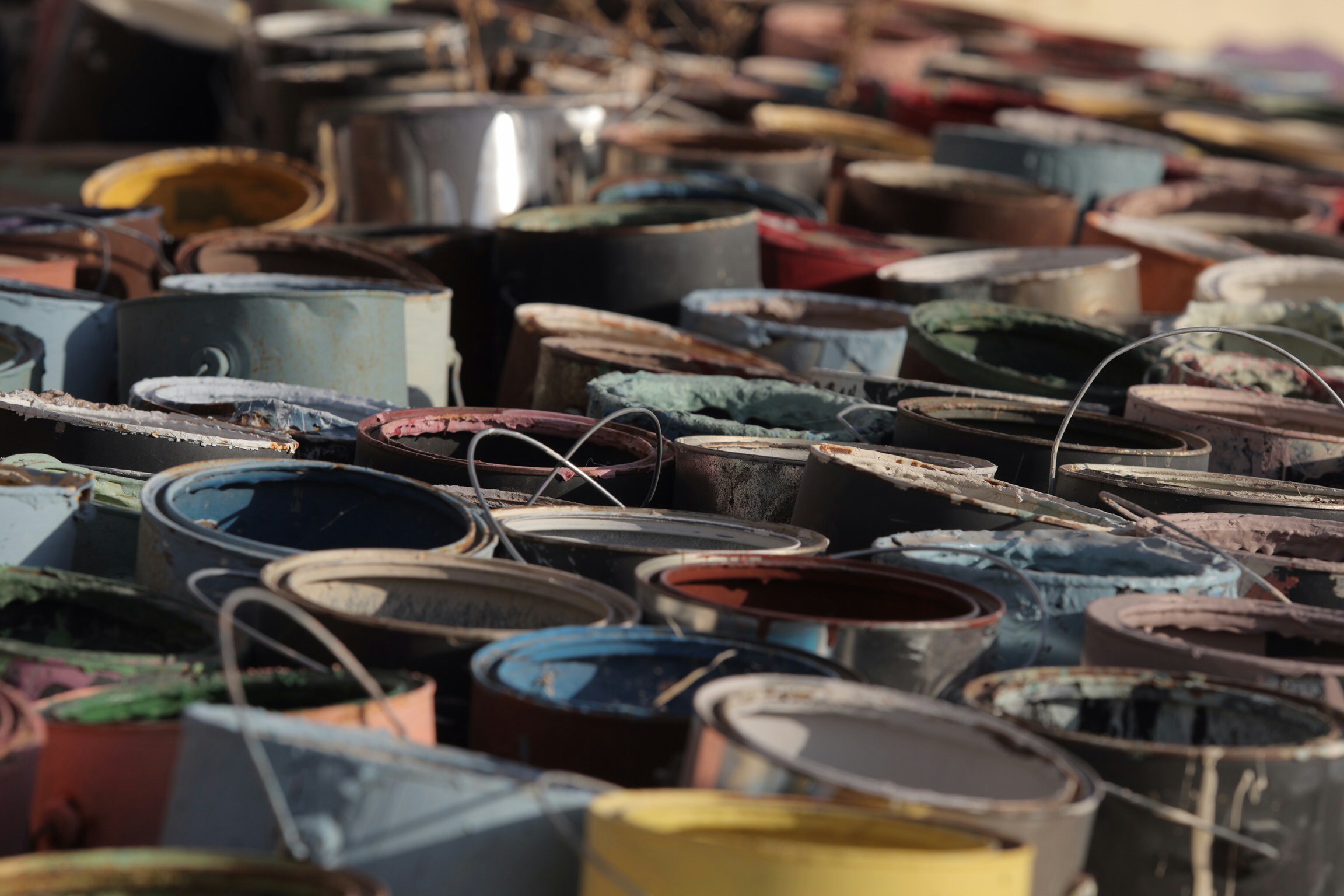
Most people would not think of a tin of leftover emulsion as hazardous waste. But depending on what is in it, that is exactly what it is, and the scale of the problem across the UK is considerably larger than you might expect.
Solvent-based paints, which include gloss, satinwood and many specialist coatings, are classified as hazardous waste under UK regulations. They contain volatile organic compounds, heavy metals and other substances that can cause serious environmental harm if they end up in landfill or are poured down a drain. Even water-based paints, while less acutely harmful, should not simply be binned or washed away. Yet that is precisely what happens to the vast majority of paint waste generated in this country every year.
The numbers are striking. An estimated 50 million tins of paint are sitting unused in UK households alone. Of the paint that does make it to a household waste recycling centre, around 98% ends up incinerated or sent to landfill. Meanwhile the UK paint sector produces around 1.9 million tonnes of CO2 equivalent annually, and a significant portion of that footprint is tied directly to the disposal of wasted paint and the ongoing manufacture of virgin material to replace it.
This is a circular economy problem that has been hiding in plain sight for years. And it is one that the paint industry is now taking seriously.
The British Coatings Federation Steps Up: PaintCare
The British Coatings Federation has developed PaintCare, an industry-funded initiative with an ambitious goal: to increase paint reuse, remanufacture and recycling rates from their current level of around 2% to at least 75% by the early 2030s. That is a transformational target, and the fact that it is being driven voluntarily by the industry rather than mandated through regulation makes it all the more noteworthy.
In 2026, PaintCare launched a regional pilot in the West Midlands, enabling consumers and tradespeople to return leftover paint and packaging at participating retail sites. The pilot is designed to test and refine the takeback model before a wider national rollout, and it represents a meaningful first step toward making paint recycling genuinely accessible rather than a postcode lottery.
What makes this initiative particularly worth celebrating is that there is no regulatory requirement driving it. Paint does not currently sit within an extended producer responsibility framework that compels manufacturers to fund its end-of-life management. The BCF and its members are acting ahead of any such obligation, and that voluntary commitment deserves recognition.
An Encouraging Pattern Emerging
PaintCare is not the only example of an industry identifying a gap in the current regulatory framework and choosing to act rather than wait. Podback, the coffee pod recycling scheme developed by Nespresso and Jacobs Douwe Egberts, followed a similar path. Coffee pods were not covered under any mandatory producer responsibility obligation, yet the volume of pods going to landfill each year was significant and growing. Rather than waiting for legislation to catch up, the industry built its own takeback and recycling infrastructure, partnering with local authorities and household waste recycling centres to create accessible collection points nationwide.
The parallel with PaintCare is a strong one. Both involve a product category generating substantial waste volumes that fall outside existing regulatory frameworks. Both involve industries choosing to fund and build solutions voluntarily. And both demonstrate that the circular economy does not have to wait for government mandates to make progress.
It is a model worth acknowledging, and encouraging. When industries take responsibility for the products they put on the market without being compelled to do so, it tends to produce better, more practical outcomes than regulation alone. It also builds the kind of infrastructure and expertise that makes any future regulatory framework considerably easier to implement.

Wastecare’s View
We welcome the progress PaintCare is making and applaud the British Coatings Federation for driving this forward voluntarily. Too often in the waste sector, meaningful change only happens when regulation demands it. Here is an example of an industry identifying a problem, funding a solution and building the infrastructure to deliver it. The Podback model showed that this approach works. PaintCare has every reason to be equally successful.
Paint is a waste stream we know well. We collect significant volumes of both water-based and solvent-based paint, separating the two streams for appropriate treatment, alongside steel and plastic containers which are processed separately. The complexity of handling paint waste responsibly is real, and the PaintCare scheme’s ambition to build a consistent national takeback system is exactly the kind of infrastructure investment the sector needs.
We will be watching the West Midlands pilot with genuine interest and hope to see it expand quickly. The target of 75% reuse and recycling by the early 2030s is ambitious, but with the right collection infrastructure and industry commitment behind it, it is well within reach.
What Businesses Need To Do Now
• Solvent-based paints (gloss, satinwood, specialist coatings) are classified as hazardous waste and must be managed through a licensed hazardous waste contractor
• Water-based paints should not be disposed of in general waste bins or poured down drains seek an appropriate disposal route
• Keep water-based and solvent-based paints separate; mixing the two streams complicates treatment and reduces recovery options
• Businesses generating paint waste regularly should have a compliant collection service in place, with hazardous waste consignment notes issued for solvent-based streams
• Watch for the PaintCare West Midlands pilot expanding nationally as this will create more accessible takeback options for tradespeople and businesses
Wastecare collects and treats both water-based and solvent-based paint waste from businesses across the UK.
Contact our team at wastecare.co.uk or call 0800 091 0000 to arrange a collection.
What Happens During Plastic Waste Recycling and Recovery?
Once plastic waste leaves your site, it moves into treatment as part of the wider plastic waste recycling process. For general packaging and rigid plastics, this usually means sorting by polymer type, cleaning where needed and preparing material for processing. For industrial containers, the process is more involved. Empty drums and IBCs are washed using high-pressure hot water and a mild cleaning agent, then leak tested against UN standards to work out whether they can be reconditioned for reuse rather than broken down entirely.
Containers that pass this test go back into circulation, often with a rebate paid to the business that sent them for treatment. Those that don’t meet the standard are chemically cleaned, crushed and shredded. The plastic is then granulated and sold on to be made into new plastic products, while any metal parts, such as IBC outer cages, are recovered separately and melted down for reuse. This is the process behind Wastecare’s industrial packaging recycling and reconditioning service and it means that even containers unsuitable for reuse still end up as raw material for something new rather than heading to landfill.
Separating The Metals From The Plastics
Here is where the science gets clever. Even some plastic pods contain small aluminium lids, so simply sorting by bag colour is not enough at this stage. The pods pass through something called an eddy current separator. Without getting too deep into the physics, this machine uses rapidly changing magnetic fields to create a reaction in non-ferrous metals like aluminium that physically repels them away from non-metallic materials. The result is a clean, reliable separation of aluminium and plastic, even when they are thoroughly mixed together.
Two Streams, Two Destinations
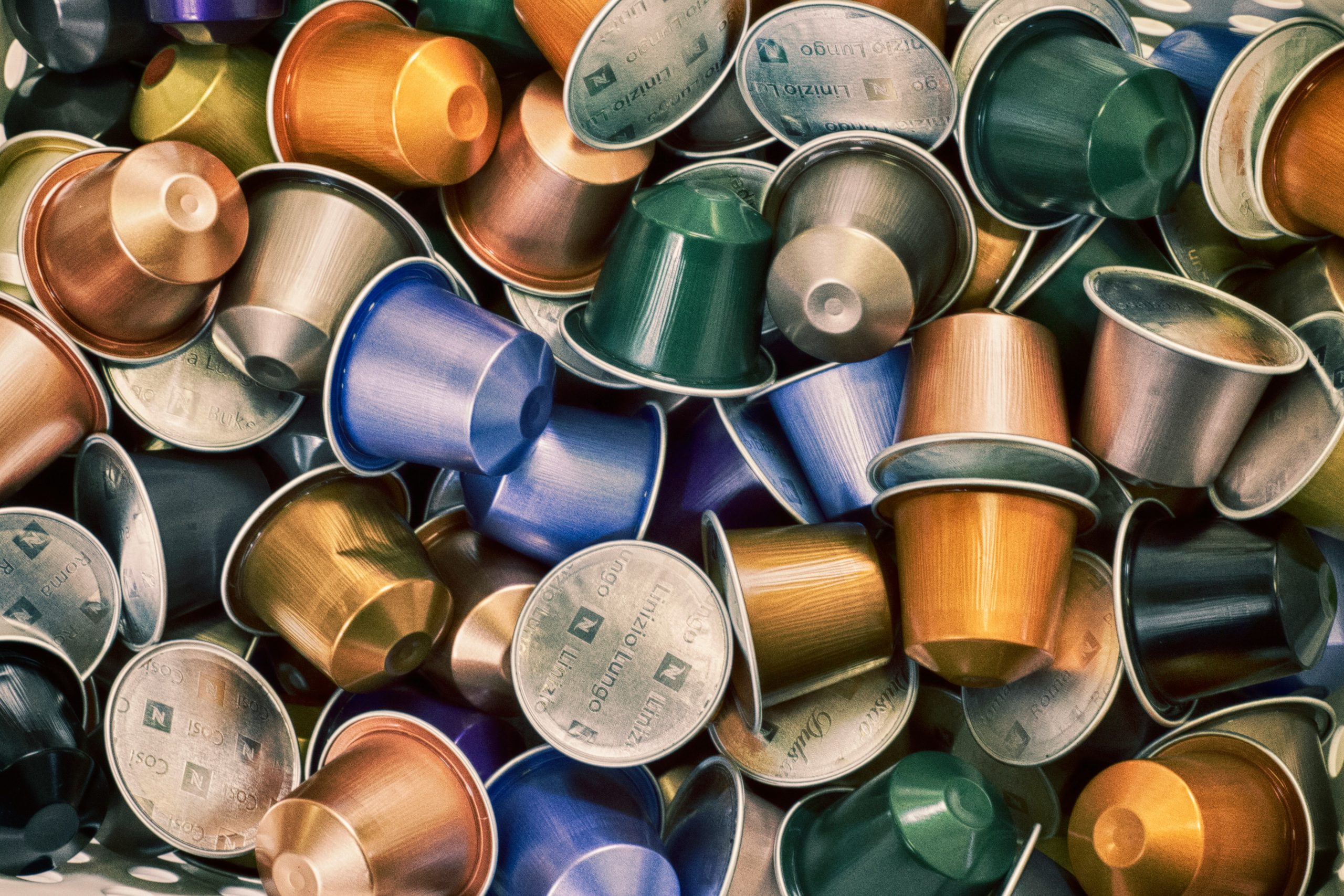
The plastic pods (made from polypropylene, or PP) are bagged and sent for recycling into new plastic products.
The aluminium from your recycled pod could be back on a supermarket shelf as a brand new pod within months. Compacting reduces the volume, which cuts the carbon footprint of transporting it and also improves the efficiency of the smelting process, meaning more aluminium is recovered from the same amount of material. That aluminium is then recycled back into new products, and in many cases finds its way back into the very coffee pods sitting on a supermarket shelf right now.
So next time you pop a pod in the machine, it is worth knowing that with a little effort on your part, it could be back on a shelf as a brand new pod within months. The infrastructure is there, the process works, and every pod you recycle rather than bin makes a genuine difference.
Why This Works — & How It Started
Aluminium is one of the most energy-efficient materials to recycle, the process uses around 95% less energy than producing virgin aluminium. For a material used in billions of pods every year in the UK alone, the environmental stakes of getting recycling right are significant.
The Podback scheme is a good example of an industry acting ahead of regulation. Coffee pods were not covered under any mandatory producer responsibility obligation when the scheme launched, yet the volumes going to landfill were growing. Nespresso and Jacobs Douwe Egberts built the scheme; Wastecare built the processing infrastructure to make it work at scale. It is the same voluntary commitment that PaintCare is now making for paint waste, industries acting because the environmental case is clear, not because the law demands it.
Want to start recycling your coffee pods? Visit podback.org to find your nearest drop-off point and pick up your free collection bags.
Every morning, millions of us reach for the coffee machine. A pod goes in, a great coffee comes out, and the used pod goes… where exactly? For most people, that is where the story ends. But for the pods collected through the Podback scheme, the story is actually just beginning.
Wastecare collects used coffee pods from over 300 household waste recycling centres across the UK, as well as from retailers including Asda, Morrisons, Aldi, Co-op, Waitrose and Costa. Some arrive neatly sorted in Podback bags (white for aluminium pods, green for plastic ones), but plenty arrive loose, mixed together in carrier bags, or just tipped in as they are. Whatever state they turn up in, they all end up in the same place: our dedicated coffee pod processing facility in Hull, which has the capacity to handle over 500 million pods a year.
So what actually happens when they get there?
Sorting Before The Journey Begins
Where pods arrive in Podback bags, they are sorted by bag colour at local collection centres before being bulked up by type and sent to Hull. White bags carry aluminium pods, green bags carry plastic ones. This keeps the two streams separate from the start, which makes everything cleaner and more efficient further down the line.
Loose and mixed pods, which is the more common arrival from household recycling centres, follow their own path through the facility but go through exactly the same steps as the bagged material.
Opening The Bags
The first stop is the hopper, which feeds into what is called a bag splitter. Think of it as a very coarse shredder whose only job is to tear open the bags without damaging the pods inside. The Podback bags are made from a tough, high-grade plastic (LDPE), so this takes a bit of force.
Once the bags are open, everything falls onto a conveyor belt where colleagues check that every bag is fully empty. The empty bags are then whisked away up a vacuum tube and sent off for baling and recycling in their own right. Nothing goes to waste.
Keeping Things Clean
This is also the point where colleagues check carefully for contamination, and this is where things can get interesting. You would be surprised what turns up inside a bag of coffee pods. From kitchen knives to vapes: you would be amazed what turns up in a bag of coffee pods. Our colleagues check every load before it goes any further. As well as being a safety risk, these items can seriously damage the processing equipment, so catching them early matters.
Where a single material stream is being processed (aluminium pods only, for example), colleagues will also pick out any pods that have found their way into the wrong bag. This is particularly common in the aluminium stream, where plastic pods that look similar to aluminium ones can easily end up in the wrong place.
Getting The Coffee Out
Once the stream is clean, the pods move into the extraction stage. They are smashed open and then spun at speed inside a machine that works a bit like a very vigorous sieve. As the pods spin, the coffee grounds are flung outwards and pass through fine screens. The coffee passes through; the broken pods do not.
The extracted coffee grounds are then sent for anaerobic digestion, a process that breaks down organic material to produce renewable energy in the form of biogas, as well as a soil improver used in agriculture. Nothing is wasted.
The broken pods carry on through a further sieving stage to shake out any remaining coffee grounds before moving on to the next step.
What Happens During Plastic Waste Recycling and Recovery?
Once plastic waste leaves your site, it moves into treatment as part of the wider plastic waste recycling process. For general packaging and rigid plastics, this usually means sorting by polymer type, cleaning where needed and preparing material for processing. For industrial containers, the process is more involved. Empty drums and IBCs are washed using high-pressure hot water and a mild cleaning agent, then leak tested against UN standards to work out whether they can be reconditioned for reuse rather than broken down entirely.
Containers that pass this test go back into circulation, often with a rebate paid to the business that sent them for treatment. Those that don’t meet the standard are chemically cleaned, crushed and shredded. The plastic is then granulated and sold on to be made into new plastic products, while any metal parts, such as IBC outer cages, are recovered separately and melted down for reuse. This is the process behind Wastecare’s industrial packaging recycling and reconditioning service and it means that even containers unsuitable for reuse still end up as raw material for something new rather than heading to landfill.
Separating The Metals From The Plastics
Here is where the science gets clever. Even some plastic pods contain small aluminium lids, so simply sorting by bag colour is not enough at this stage. The pods pass through something called an eddy current separator. Without getting too deep into the physics, this machine uses rapidly changing magnetic fields to create a reaction in non-ferrous metals like aluminium that physically repels them away from non-metallic materials. The result is a clean, reliable separation of aluminium and plastic, even when they are thoroughly mixed together.

Two Streams, Two Destinations
The plastic pods (made from polypropylene, or PP) are bagged and sent for recycling into new plastic products.
The aluminium from your recycled pod could be back on a supermarket shelf as a brand new pod within months. Compacting reduces the volume, which cuts the carbon footprint of transporting it and also improves the efficiency of the smelting process, meaning more aluminium is recovered from the same amount of material. That aluminium is then recycled back into new products, and in many cases finds its way back into the very coffee pods sitting on a supermarket shelf right now.
So next time you pop a pod in the machine, it is worth knowing that with a little effort on your part, it could be back on a shelf as a brand new pod within months. The infrastructure is there, the process works, and every pod you recycle rather than bin makes a genuine difference.

Why This Works — & How It Started
Aluminium is one of the most energy-efficient materials to recycle, the process uses around 95% less energy than producing virgin aluminium. For a material used in billions of pods every year in the UK alone, the environmental stakes of getting recycling right are significant.
The Podback scheme is a good example of an industry acting ahead of regulation. Coffee pods were not covered under any mandatory producer responsibility obligation when the scheme launched, yet the volumes going to landfill were growing. Nespresso and Jacobs Douwe Egberts built the scheme; Wastecare built the processing infrastructure to make it work at scale. It is the same voluntary commitment that PaintCare is now making for paint waste, industries acting because the environmental case is clear, not because the law demands it.
Want to start recycling your coffee pods? Visit podback.org to find your nearest drop-off point and pick up your free collection bags.
Plastic waste rarely announces itself as a problem. It builds up quietly in stockrooms, behind loading bays and in the corners of warehouses, until a business suddenly needs a proper answer for what to do with it. Whether that’s shrink wrap from a distribution centre, offcuts from a production line, or empty containers that once held chemicals or oils, getting plastic waste management right takes more than a general skip and good intentions. It starts with knowing exactly what kind of plastic waste you’re dealing with, since that shapes everything that happens to it from here.
What Types of Plastic Waste Does Plastic Waste Management Cover?
Most businesses generate more than one kind of plastic waste and each type needs handling a little differently. Packaging film and general plastic packaging are the most common, showing up in nearly every sector from retail to manufacturing. Rigid plastics, including trays, tubs and production offcuts, are another regular stream, particularly for businesses involved in food and drink or general manufacturing.
Then there are industrial containers such as drums, IBCs and kegs, which sit in a different category altogether. These have usually held chemicals, oils or solvents and even once emptied, they retain enough residue to be classed as hazardous under UK law. That means they can’t simply go out with everyday plastic packaging. Recognising which stream your business is dealing with is the first step towards managing it properly and it’s exactly where a commercial plastic waste management partner earns its keep, helping you work out what you’ve got before deciding what happens to it next.
How Do You Prepare for Plastic Waste Collection?
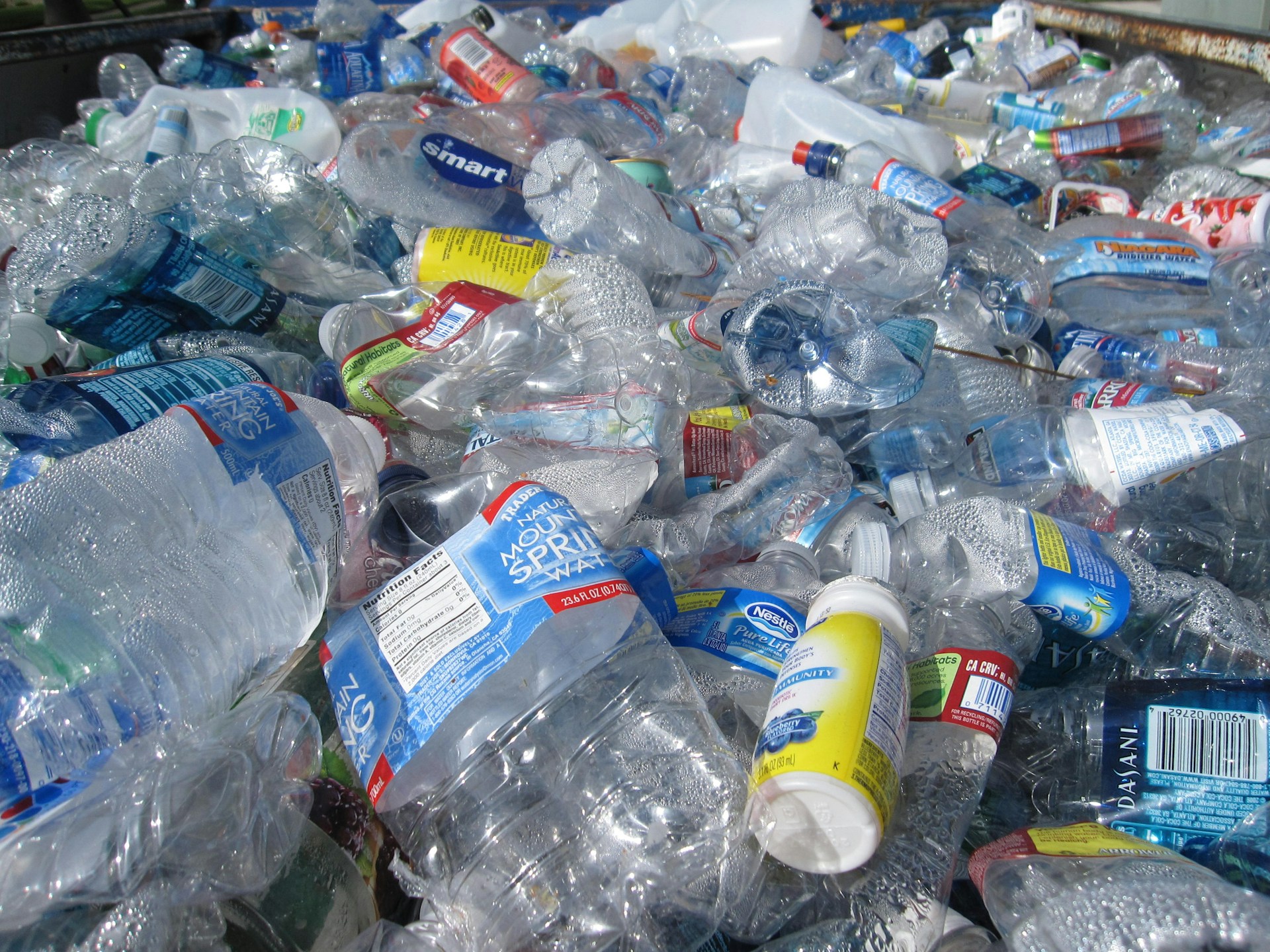
Before any plastic waste collection can happen, the material needs to be sorted and prepared properly. Segregation matters more than most businesses realise. Mixing general plastic packaging with contaminated industrial containers, or letting different polymer types end up in the same load, reduces the value that can be recovered and can even affect whether material is accepted for recycling at all.
Wastecare’s general waste collection and recovery service is a useful starting point for businesses that aren’t sure which stream their plastic falls into, helping identify and separate packaging and plastic waste from everything else that needs collecting.
What Paperwork Do You Need for Plastic Waste Collection?
Every collection, whatever the material, should come with proper paperwork under the UK’s waste duty of care. That means a waste transfer note for non-hazardous plastic packaging, confirming what was collected, where it went and who handled it. Keeping hold of these records is useful beyond ticking a compliance box, since they give a business a clear, dated history of exactly how much plastic it’s generating and where that material ends up.
Industrial containers bring an extra layer of preparation. Drums, IBCs and kegs that have held chemicals or oils need to be handled as hazardous waste until they’ve been properly decontaminated and that’s not something to attempt without the right facilities. Even a container that looks empty can carry enough residue to fall under the Hazardous Waste (England and Wales) Regulations 2005, a point covered in more depth in our guide to the industrial container recycling process. Getting that wrong lands the responsibility squarely on the business that generated the waste, not the company that eventually removes it.
What Container Types Need Specialist Plastic Waste Collection?
A few plastic waste streams need particular care before collection:
1. Intermediate bulk containers (IBCs), which frequently retain hazardous residue from chemicals or industrial liquids
2. Plastic drums, whether bung or clip top, previously used for solvents, oils or chemicals
3. Plastic kegs, which need thorough cleaning even when previous contents were food or beverage grade rather than industrial
For businesses working with these container types, industrial container recycling offers a route that covers everything from 20-litre HDPE bottles up to 1,000-litre IBCs. The service is already set up to handle the decontamination and testing these items need.
What Happens During Plastic Waste Recycling and Recovery?
Once plastic waste leaves your site, it moves into treatment as part of the wider plastic waste recycling process. For general packaging and rigid plastics, this usually means sorting by polymer type, cleaning where needed and preparing material for processing. For industrial containers, the process is more involved. Empty drums and IBCs are washed using high-pressure hot water and a mild cleaning agent, then leak tested against UN standards to work out whether they can be reconditioned for reuse rather than broken down entirely.
Containers that pass this test go back into circulation, often with a rebate paid to the business that sent them for treatment. Those that don’t meet the standard are chemically cleaned, crushed and shredded. The plastic is then granulated and sold on to be made into new plastic products, while any metal parts, such as IBC outer cages, are recovered separately and melted down for reuse. This is the process behind Wastecare’s industrial packaging recycling and reconditioning service and it means that even containers unsuitable for reuse still end up as raw material for something new rather than heading to landfill.
Why Choose a Long-Term Partner for Plastic Waste Management?
Treating plastic waste management as a one-off transaction misses most of the value on offer. Businesses that stick with a single provider over the long term tend to see more consistent rebates, fewer compliance headaches and a clearer picture of their own waste performance over time. That’s largely down to the same team handling every collection and knowing the site’s specific streams inside out.
Wastecare’s track record backs this up. Years ago, the business launched PolyCare, a dedicated service for mixed rigid plastics and post-consumer hard plastics. At the time, the UK had very little capacity of its own for recycling this kind of material, so it was a genuine investment rather than a quick add-on. Wastecare has kept building on that ever since, growing licensed facilities for industrial containers and packaging alongside it, rather than treating plastic as an afterthought within general waste.
For a business, that translates into one relationship covering the full journey from general waste collection and recovery through to specialist plastic and container treatment, rather than juggling separate contractors for each waste stream. It also means access to Wastecare’s wider collections network, so as a business’s waste needs change, whether that’s adding hazardous streams, WEEE or industrial containers, the same partner can scale to cover it.
What Does Plastic Waste Recycling Look Like?
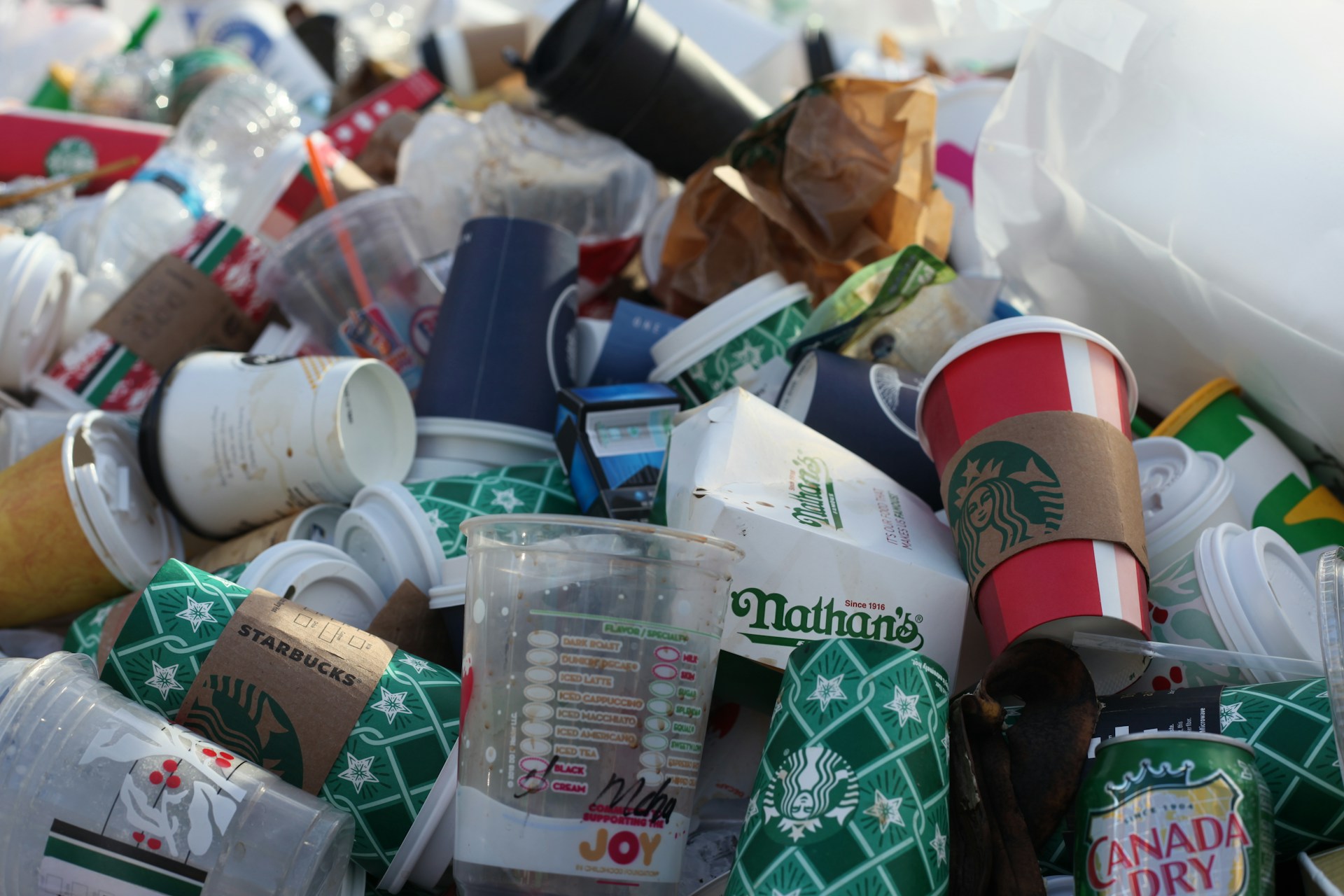
There’s a difference between simply meeting your legal obligations and truly reducing the impact your plastic waste has. Compliance gets the paperwork right. Whether it makes a real difference depends on what happens to material after it leaves your site and how much of it is turned back into something usable rather than just diverted from landfill on paper.
This distinction matters more than it might seem. Recycling alone has never been the whole answer, a point made well in Wastecare’s piece on plastic bottle recycling. Reducing the amount of plastic generated in the first place, choosing suppliers and processes that produce less waste and working with a partner who can prove where material ends up all matter just as much as the recycling rate itself. For businesses serious about their environmental impact, that means asking not just whether something is being recycled, but what that recycling truly achieves.
How Does Plastic Packaging Tax Affect Commercial Plastic Waste Management?
Plastic compliance doesn’t stop once the waste leaves your site.
The first is the Plastic Packaging Tax. This applies to plastic packaging made in or brought into the UK that contains less than 30% recycled content. From 1 April 2026, the rate is £228.82 per tonne, up from £223.69 the year before. If your business makes or imports 10 tonnes or more of finished plastic packaging a year, you need to register for the tax, even if you don’t end up owing anything. Full details are in HMRC’s Plastic Packaging Tax guidance and the tax itself comes from the Finance Act 2021.
The second is about keeping plastic separate from other waste. Since 31 March 2025, larger businesses (those with 10 or more full-time staff) have had to keep plastic packaging apart from general waste, along with paper, card, glass, metal and food waste. Smaller businesses have until 31 March 2027 to do the same, so it’s worth planning ahead rather than leaving it until the deadline gets close. The Environment Agency checks on this and businesses that don’t comply can expect a warning before anything more serious happens.
Even if your business doesn’t make packaging itself, these rules still matter. Costs and responsibilities tend to move through the supply chain, so knowing where your plastic waste fits, whether that’s packaging, product waste or industrial containers, makes it much easier to answer questions if a regulator or customer ever asks.
Commercial plastic waste doesn’t need to be complicated once there’s a proper process behind it, from identifying what you’re producing through to collection, treatment and, wherever possible, recycling. Getting the segregation and preparation right at the start makes everything that follows easier and working with one partner across the whole journey tends to deliver better outcomes than piecing together several different contractors for different waste streams.
If your business needs a straightforward way to manage plastic waste from collection through to recycling, get in touch with our team today for a quote. We can help identify the right service for your plastic streams, whether that’s general packaging, rigid plastics or industrial containers and set up a long-term collection plan that keeps your business compliant and your waste out of landfill.
Chemical waste turns up in more workplaces than most people realise, not just on a factory floor but in a hospital storeroom, a school science lab or the cleaning cupboard of an ordinary office. Once a business has more than a small amount to deal with, the way it gets collected, processed and recycled starts to matter for compliance, cost and the environment all at once and it starts with knowing exactly what counts as chemical waste in the first place.
What counts as hazardous chemical waste?
Chemical waste covers any substance that’s classed as hazardous because of properties that could harm human health or the environment. Wastecare identifies this waste against four characteristics:
- Ignitability, meaning it combusts or burns easily
- Corrosivity, meaning it can damage or corrode whatever it touches
- Reactivity, meaning it may react violently or explode on contact with air, water or other substances
- Toxicity, meaning it contains or releases dangerous toxins
That range of properties is exactly why chemical waste turns up across so many different sectors. Manufacturing sites, pharmaceutical and chemical producers, healthcare and science facilities, logistics operators all generate some form of chemical waste, whether that’s solvents and paints from an engineering line or a small quantity of lab reagents. Handling it safely in the workplace, before it’s even collected, falls under the Control of Substances Hazardous to Health (COSHH) regulations, which sit alongside the disposal duty covered below. Getting the management of it right protects staff, keeps a business compliant and, done properly, turns what would otherwise be a cost into a source of recovered value.
What are the chemical waste disposal regulations in the UK?
Producing chemical waste comes with a legal duty of care and this isn’t optional. Under the Hazardous Waste Regulations 2005, producers of hazardous waste are responsible for disposing of it in a way that doesn’t harm human health or the environment and that means using a licensed waste carrier with the appropriate site permits rather than handling it informally, a duty confirmed directly in the UK Government’s own guidance on disposing of hazardous waste.
Documentation matters just as much as the collection itself. A proper Waste Transfer Note has to accompany hazardous waste as it moves from producer to carrier to final destination, creating a paper trail that proves the waste was handled correctly at every stage. It’s also worth knowing that mixing hazardous waste types, or mixing hazardous waste with non-hazardous waste, is against the law, since different chemical properties can react dangerously with each other if combined, a point covered alongside the full detail on Duty of Care and Waste Transfer Notes on our FAQs page.

What are the chemical waste storage requirements before collection?
That rule against mixing waste types feeds directly into how chemical waste needs to be stored on site while it waits for collection. Businesses producing hazardous waste need to store it in the correct bins or containers, kept separate by waste type rather than combined into one container for convenience and collected by a licensed waste carrier once full or once a collection is due. Getting storage wrong is one of the more common compliance gaps, often not because a business is being careless but because incompatible waste types end up sharing a container without anyone realising the chemical properties involved are a genuine risk when combined.
For laboratories in particular, this can mean managing a wide range of small quantities of different reagents and solvents rather than one large uniform waste stream, which is where a lab pack service becomes useful. Wastecare’s Pharmaceutical and Chemical service includes a site chemist lab-packing offer, where a qualified chemist visits site to correctly identify, segregate and pack varied chemical waste streams before they leave the building, removing the guesswork from a task that carries real risk if handled incorrectly.
Why does bulk chemical waste collection cost less?
For businesses producing a meaningful volume of chemical waste, collecting it in bulk rather than in small, irregular pickups brings a real efficiency gain. Fewer, larger collections mean less administrative overhead per tonne handled, more predictable costs and less time spent coordinating multiple small visits. This suits high-volume producers particularly well, including manufacturing sites, pharmaceutical facilities and laboratories, where chemical waste is generated as a routine part of daily operations rather than an occasional exception.
Wastecare collects, treats and recycles over 6,000 tonnes of hazardous business waste every week, which reflects the scale bulk collection operates at once a business has settled into a regular schedule. A consistent bulk arrangement also makes it easier to forecast waste costs from month to month, rather than facing the unpredictable pricing that comes with ad hoc, one-off collections. Pricing itself is based on a transparent quote calculator covering thousands of waste streams, so the cost of a collection reflects the actual waste type and volume involved rather than a flat, one-size-fits-all rate.
How is chemical waste classified and processed?
Once collected, chemical waste has to be classified correctly before it can be processed, using the same ignitability, corrosivity, reactivity and toxicity framework mentioned earlier. This classification follows the Environment Agency’s own hazardous waste classification guidance and getting it right at the outset determines how the waste is stored, transported and ultimately treated. It’s a big part of why the work needs a licensed carrier rather than general waste handling.
Containers themselves need specialist handling too. Drums, IBCs and other bulk containers that have held chemicals or solvents retain residue on their inner surfaces even once emptied, which is enough to classify the container itself as hazardous under UK law, a residue risk managed through the industrial container recycling process for drums, steel containers and IBCs specifically. The industrial container recycling service itself handles collection on this basis, with a full audit trail maintained throughout, giving businesses documented proof of how their waste was classified, transported and treated at every step.
What happens to chemical waste after collection?
The end goal of proper chemical waste management isn’t just safe disposal, it’s recovering as much value as possible from the waste stream. Wastecare pays rebates back to customers on recovered plastic, metals and recyclate, which means chemical waste that’s processed and recycled correctly can offset some of the cost of the collection itself rather than being a pure expense.
Container reconditioning is part of this picture too. Rather than every used drum or IBC being scrapped, industrial packaging recycling and reconditioning allows containers to be properly cleaned and returned to use where possible, reducing both waste volumes and the demand for new containers. For a business generating chemical waste regularly, this combination of rebates and reconditioning turns what looks like a compliance cost on paper into a more balanced part of the overall waste budget.

Which businesses does chemical waste collection apply to?
Chemical waste management applies across a wider range of sectors than many businesses expect. Engineering and manufacturing operations regularly produce chemicals, solvents and paints as a named waste stream from production processes, often in volumes large enough that a bulk collection schedule makes sense from the outset rather than being something to grow into. Pharmaceutical and chemical producers fall directly under the Hazardous Waste Regulations given the nature of what they manufacture and healthcare and sciences organisations deal with a crossover of chemical and clinical waste that needs the same licensed handling.
Logistics and transport businesses are trusted by road, rail and aviation companies nationwide for the licensed collection and recycling of hazardous transport waste, including chemicals and gas cylinders. Even office environments aren’t exempt, since smaller scale chemical waste, from cleaning products to printer chemicals, still falls under the same duty of care even where volumes are much lower than an industrial site.
How is chemical waste tracked for compliance?
Knowing exactly where chemical waste has gone and having the paperwork to prove it, matters as much to most businesses as the collection itself. Wastecare’s myWaste app gives customers digital access to their documents and invoices, visibility of upcoming collections and ongoing tracking of recycling performance, all in one place rather than scattered across paper records.
For a business being audited or simply wanting reassurance that its chemical waste obligations are being met, this kind of digital tracking removes a lot of the uncertainty that used to come with hazardous waste management. Rather than chasing paperwork after the fact, documentation is available as the process happens, which matters particularly for multi-site businesses where different locations might otherwise generate and file their own records inconsistently. Having every collection, transfer note and recycling outcome sitting in one digital record makes it far easier to demonstrate compliance across an entire estate rather than piecing it together site by site when an audit or inspection comes up.
What are the overall benefits of chemical waste recycling and collection?
Pulling all of this together, choosing a proper chemical waste recycling and collection service brings a handful of benefits that reinforce each other rather than standing alone.
- Lower legal and financial risk
Working with a licensed carrier and keeping proper documentation removes the exposure that comes with informal disposal, where a single breach of the Hazardous Waste Regulations can mean enforcement action regardless of whether an incident has occurred - Reduced environmental impact
Recovering plastic, metals and recyclate from chemical waste and reconditioning containers rather than scrapping them, cuts down on both landfill reliance and the demand for new raw materials - Recovered value rather than pure cost
Rebates on recovered materials mean a compliant disposal process can partly offset its own cost, rather than chemical waste sitting on the books as an expense with no return - A safer working environment
COSHH-aligned handling before collection, combined with correctly classified storage, reduces the risk of an incident happening on site in the first place, not just after the waste has left the building - One provider across every site
A single licensed partner covering all locations means consistent classification, documentation and pricing, rather than different standards applying depending on which site or contractor is involved
None of these benefits work in isolation. Compliance keeps a business out of legal trouble, but it’s the recycling and rebate side that turns a legal obligation into something that also makes financial sense.
Chemical waste management touches far more businesses than the obvious sectors. Handled properly, it satisfies a legal duty of care under the Hazardous Waste Regulations 2005 and bulk collection turns a routine compliance task into a more efficient, cost-predictable part of running the business. The recycling stage adds a further benefit on top, since rebates on recovered materials and container reconditioning mean the process can partly pay for itself rather than being a pure cost.
If your business needs a reliable, compliant way to collect and recycle chemical waste, Wastecare collects and recycles over 160,000 tonnes of hazardous and difficult waste annually across 17 facilities nationwide. Get in touch with the team today to request a quote or to find out more about how bulk collection and recycling could work for your sites.
Most people wouldn’t think twice about a flat battery going in the bin, yet that small, everyday habit is behind a growing safety problem. In reality, portable batteries are one of the more overlooked risks in an office, both from a fire safety standpoint and from a compliance one and very few workplaces have a proper system in place for dealing with them. Getting battery recycling right starts with understanding why it needs treating differently from general office waste in the first place.
Why does portable battery recycling matter for offices?
Batteries can’t simply go in with general office waste. Damaged, crushed or improperly disposed of batteries, particularly lithium based ones, are a fire risk, since they can short circuit and ignite when punctured or compressed inside a general waste bin or bag. The National Fire Chiefs Council estimates that more than 1,200 battery fires occur within the UK waste system every year, affecting bin lorries, transfer stations, recycling facilities and treatment plants, a figure that’s risen sharply from around 700 incidents in 2022. That risk alone is reason enough to treat batteries as a separate waste stream with its own collection and handling process rather than an afterthought.
The environmental case is just as pressing. Research from Wastecare’s own Battrecycle initiative estimates that fewer than 15% of portable batteries on the market are currently being collected, against a UK recycling target of 45%. That means collection volumes need to increase by over 300% in the next four years to hit that target, a gap that businesses have a real part to play in closing. Every battery that ends up in general waste instead of a proper recycling stream is a missed opportunity to recover valuable metals rather than losing them to landfill and offices generating even a modest volume of battery waste each year contribute to that gap more than most realise.
Are businesses legally required to recycle batteries?
Battery waste is covered by its own dedicated legislation rather than falling under general waste rules. The Waste Batteries and Accumulators Regulations 2009 place a legal duty of care on businesses producing battery waste, with exactly what that duty involves in practice set out in the government’s own technical guidance.
For businesses that manufacture, sell or otherwise place batteries onto the market, there’s a further layer of obligation through a Battery Producer Compliance Scheme, which exists to help meet recycling obligations rather than working them out from scratch. This is a separate consideration to the duty of care that applies to any business simply disposing of used batteries and it’s worth checking which category a business falls into, since the two obligations aren’t the same thing and get confused fairly often. Wastecare, as one of the largest collectors and recyclers of batteries in the UK, can pass on third party evidence recognised by the Environment Agency to businesses already in a compliance scheme, or help work out whether an obligation applies in the first place.

How does bulk battery collection work for workplaces?
Setting up a battery recycling scheme for an office is more straightforward than most businesses expect. Wastecare runs over 30,000 battery collection points nationwide, spanning supermarket chains, large retailers, private companies and the public sector, which gives a good sense of how established this kind of collection infrastructure already is. For a workplace, that usually means a dedicated collection container sized to the volume of battery waste generated, collected on a schedule that fits how quickly it fills up rather than a fixed, arbitrary timetable. Multi-site businesses can run this consistently across every location too, rather than each site working out its own approach independently.
A minimum collection threshold of 40kg typically applies for a standalone battery collection, which most offices of any real size reach without much difficulty once staff have somewhere obvious to put spent batteries rather than a desk drawer. Container sizing and the collection schedule itself sit within the Battery Collection & Recycling for Businesses service and the Portable Battery Recycling service handles what happens to the batteries once they’ve left the building.
What types of batteries can offices recycle?
One of the more common questions businesses ask before setting up a collection is whether every battery in the building actually qualifies, or only certain types. Wastecare collects and recycles portable batteries nationwide regardless of type or chemistry, which covers the full range typically found in an office rather than a narrow list of accepted formats.
In practice, that means everyday single use batteries like AA, AAA and 9V, rechargeable batteries used in cordless equipment and handheld devices and the lithium-ion batteries built into laptops, phones and tablets are all treated as part of the same collection stream. Button and coin cell batteries, the kind found in small electronics and remote controls, fall under the same scope too, even though they’re easy to overlook precisely because of how small they are. Rather than staff needing to sort or separate battery types before disposal, everything goes into the same collection container, with the sorting itself happening later during processing.
How to store and handle batteries safely before collection
Safe storage is where a lot of workplaces fall short, usually not out of carelessness but because nobody has set out clear guidance for staff to follow. With battery fires in the waste system rising as sharply as they have, getting this step right matters more than it might seem for what looks like a small, low risk item. A few practical points are worth building into any office battery collection scheme:
- Use a purpose built battery collection container rather than a general recycling bin, since batteries need to be kept separate from other waste streams entirely
- Keep damaged, swollen or leaking batteries away from the main collection point and store them individually where possible, since these carry a higher fire risk than batteries in good condition
- Take particular care with lithium batteries from laptops, phones and other devices, since these are more prone to short circuiting than standard alkaline batteries if punctured or crushed
- Avoid storing large volumes of loose batteries together in a single container without any separation, since terminals touching each other can cause a short circuit
- Position collection containers away from direct heat sources and out of direct sunlight, reducing the risk of a stored battery overheating
Getting storage right before collection isn’t complicated, but it does need a deliberate decision rather than being left to chance, particularly in an office where most staff won’t think twice about how a battery ends up in the bin.

What happens to batteries after collection?
Once collected, batteries are transported by licensed vehicle to Wastecare’s recycling facility in Halifax, the first of its kind in the UK dedicated to household and portable battery recycling. There, batteries are shredded and passed through a series of sieves and induced magnetic separators, which work together to identify and separate the different metals inside based on their properties, since different battery chemistries respond differently to this kind of mechanical separation. Anything left over, including carbon, plastic and paper, is pulled out for further recycling in its own right rather than being discarded alongside material that can’t be recovered at all.
Part of what’s recovered during this process is a mixture of valuable metals known as black mass, which is separated out and passed on for future recovery. The recovered materials from the whole process, including metals like nickel, cobalt and lead, are then passed on to appropriate third parties and go on to be used in new products, from stainless steel cutlery and electrical cables through to household white paint. It’s a genuine second life for materials that would otherwise sit in landfill indefinitely, since many of the metals inside a battery don’t break down or lose their value over time, they just need the right process to extract them properly. Every collection also comes with digital Duty of Care paperwork through Wastecare’s myWaste app, so businesses have a fully traceable record of where their battery waste went.
Can batteries be recycled alongside other office waste?
Batteries don’t need to be collected in isolation from a business’s other waste streams. Wastecare can collect batteries alongside WEEE, used cooking oil and fluorescent tubes as part of the same service, which cuts down on the administration of coordinating multiple separate collections for a single site. This matters particularly for offices, where electrical waste and battery waste tend to come from the same source, whether that’s old laptops, phone chargers or the batteries that power them.
Portable battery recycling is one of those things that looks minor on paper but carries a fire risk and a real compliance obligation once a business generates more than a token amount of it. Setting up a proper collection scheme, storing batteries safely in the meantime and working with a licensed provider that can prove where the waste went turns what could be a liability into a straightforward, manageable part of office waste management. With battery fires in the UK waste system continuing to rise and national collection rates still well short of target, the case for getting this right at an office level is only going to get stronger rather than fading into the background.
If your business needs a compliant, properly documented way to collect and recycle portable batteries, get in touch with the Wastecare team to get a quote for business battery collection tailored to the size and setup of your workplace.
Most commercial kitchens produce used cooking oil every single day. It can’t go down the drain, it can’t go in the bin and it can’t be handed to just anyone who offers to take it away. For businesses without a proper used cooking oil collection arrangement in place, the consequences range from blocked drains and costly call-outs to Environment Agency penalties and Duty of Care breaches. Getting it sorted is straightforward and the benefits go well beyond just staying on the right side of the law.
What UK Law Says About Used Cooking Oil Disposal
Used cooking oil (UCO) is classified as a controlled waste under the Environmental Protection Act 1990 and the Waste Regulations 2011. That means specific legal obligations apply to every business that produces it, regardless of size or sector. The core requirements are:
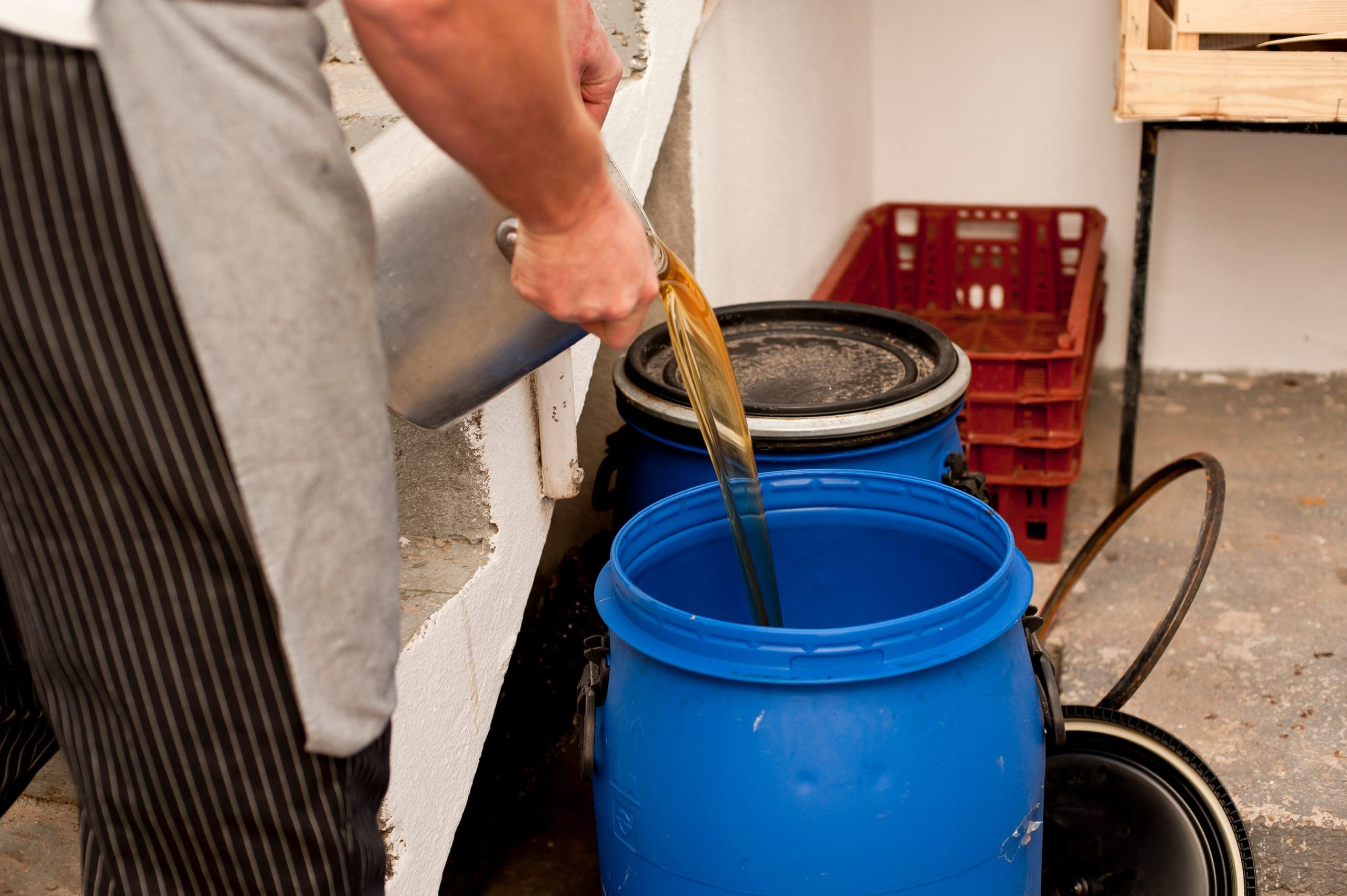
• It must be stored in appropriate, sealed containers on site
• It must be collected and treated by a licensed waste carrier
• It cannot be poured down drains, mixed with other waste, or handed to an unregistered collector
• Every collection must be accompanied by a Waste Transfer Note as evidence of compliant disposal
Businesses that fall short of any of these requirements are in breach of their Duty of Care, which can result in Environment Agency penalties even where there was no deliberate intent to cause harm. The Wastecare FAQs cover what documentation is required and how to make sure every collection is fully covered.
The Rogue Collector Problem and Why It Matters for Your Business
Used cooking oil has real commercial value as a raw material for biodiesel and renewable fuels. That value has attracted a growing number of unlicensed collectors who approach businesses, often offering to take oil away for free or at a low cost without providing proper compliance documentation. It looks like a good deal, but it’s a significant risk.
A business’s Duty of Care for its waste doesn’t end when the oil leaves the premises. If UCO is handed to an unregistered collector and that collector disposes of it improperly, the business that produced it can be held liable. The potential penalty for a Duty of Care breach far outweighs any saving on collection costs. Working with a licensed carrier like Wastecare, with documented collections and digital Waste Transfer Notes for every pickup, removes that liability entirely.
How Used Cooking Oil Gets Recycled Into Renewable Fuel
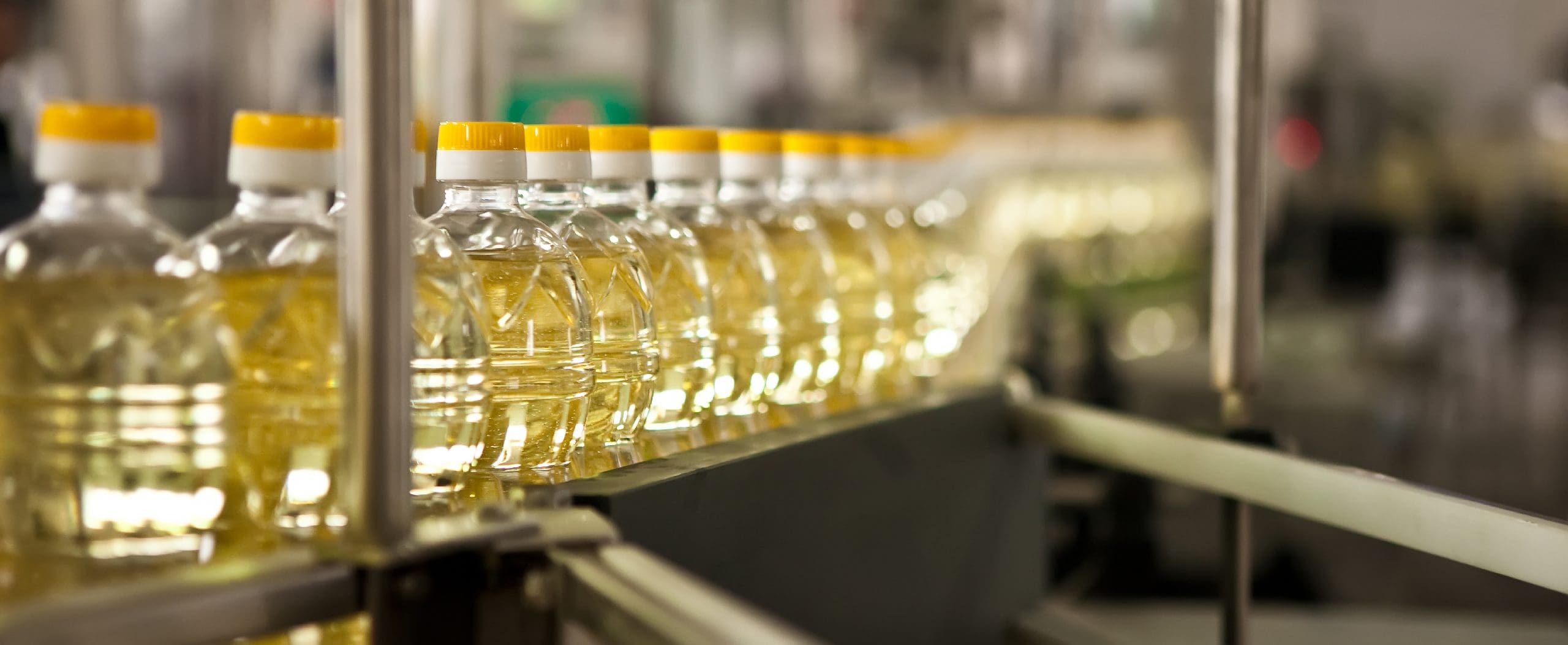
Once collected by Wastecare, every litre of used cooking oil is recycled into renewable fuels, mainly biodiesel and sustainable aviation fuel. These fuels replace fossil fuels and help cut carbon emissions across the transport sector. For hospitality and catering businesses with sustainability or ESG reporting commitments, being able to demonstrate that waste oil is being turned into renewable fuel, with full traceability through digital documentation, is a meaningful and verifiable credential.
Oil that would otherwise be a disposal problem becomes a useful part of a clean energy supply chain. That’s a much better outcome than oil going down a drain or disappearing with a rogue collector.

Can Used Cooking Oil Collection Generate a Rebate?
For high-volume producers, used cooking oil can generate a financial return rather than just a disposal cost. The value of UCO as a biodiesel feedstock means businesses producing significant volumes may be eligible for a rebate depending on the quality and quantity of oil collected.
Quality matters here. Oil stored correctly in sealed containers, away from contamination and food debris, commands a higher value. Regular collections also ensure the oil is collected before it degrades, which preserves that value. Businesses with no collection arrangement or inconsistent pickup schedules are leaving money on the table, as well as carrying unnecessary compliance risk. Wastecare returned over £16 million to clients from recovered materials in 2023 across all waste streams, which gives a sense of what compliant, well-managed waste collection can be worth commercially.
What Happens When Used Cooking Oil Isn’t Collected Regularly
The problems that come with infrequent or absent UCO collection are predictable. Oil that isn’t removed regularly solidifies, blocking grease traps and drain systems. Clearing blocked drains in a commercial kitchen is disruptive, expensive and easily avoided with a scheduled collection in place.
Beyond drainage, stored oil that isn’t collected often enough creates odour problems, attracts pests and puts pressure on staff to deal with containers that are full or overflowing. Wastecare supplies appropriately sized containers and schedules collections at a frequency that matches each business’s output, so none of those problems arise. For businesses with seasonal variation in output, the collection schedule can flex to match.
Compliance Documentation and the myWaste Portal
Every used cooking oil collection by Wastecare is fully documented. Businesses receive a digital Waste Transfer Note for every pickup through myWaste, Wastecare’s free online compliance and reporting platform.
Through myWaste, businesses can see upcoming collections, track vehicles in real time, download compliance paperwork and view recycling percentages and carbon saving data. For any business subject to an environmental audit or internal sustainability reporting, having all of that in one place makes compliance considerably easier to manage. Collections can also be combined through the same account , WEEE,batteries and general waste can all be managed alongside UCO under a single collection arrangement.
How the Wastecare Used Cooking Oil Collection Service Works
Wastecare has over 40 years of experience in oil recovery and recycling, with 12 licensed service centres and a fleet of over 100 specialist vehicles operating across the UK. Over 38,000 businesses are active customers, ranging from independent cafes and takeaways through to national food manufacturers and multi-site catering groups.
The process is simple. Wastecare supplies sealed containers for on-site storage, schedules collections to match the volume being generated and arranges most first collections within a few days of enquiry. Every pickup is carried out by a licensed waste carrier, fully documented and traceable through myWaste. Businesses looking to arrange used cooking oil collection for the first time get a straightforward service with everything needed to stay compliant built in. For businesses that want to manage UCO alongside other waste streams, consolidating it all under hospitality and catering waste management with a single supplier removes the need to coordinate multiple contractors.
A proper used cooking oil collection arrangement removes legal risk, prevents operational problems, contributes to renewable fuel production and for higher-volume producers can generate a rebate. The myWaste portal makes compliance documentation automatic and combining collections across multiple waste streams means the whole thing can be managed without the administrative burden of multiple supplier relationships.
To arrange a get a quote contact us today through our online form or, call Wastecare on 0800 091 0000.
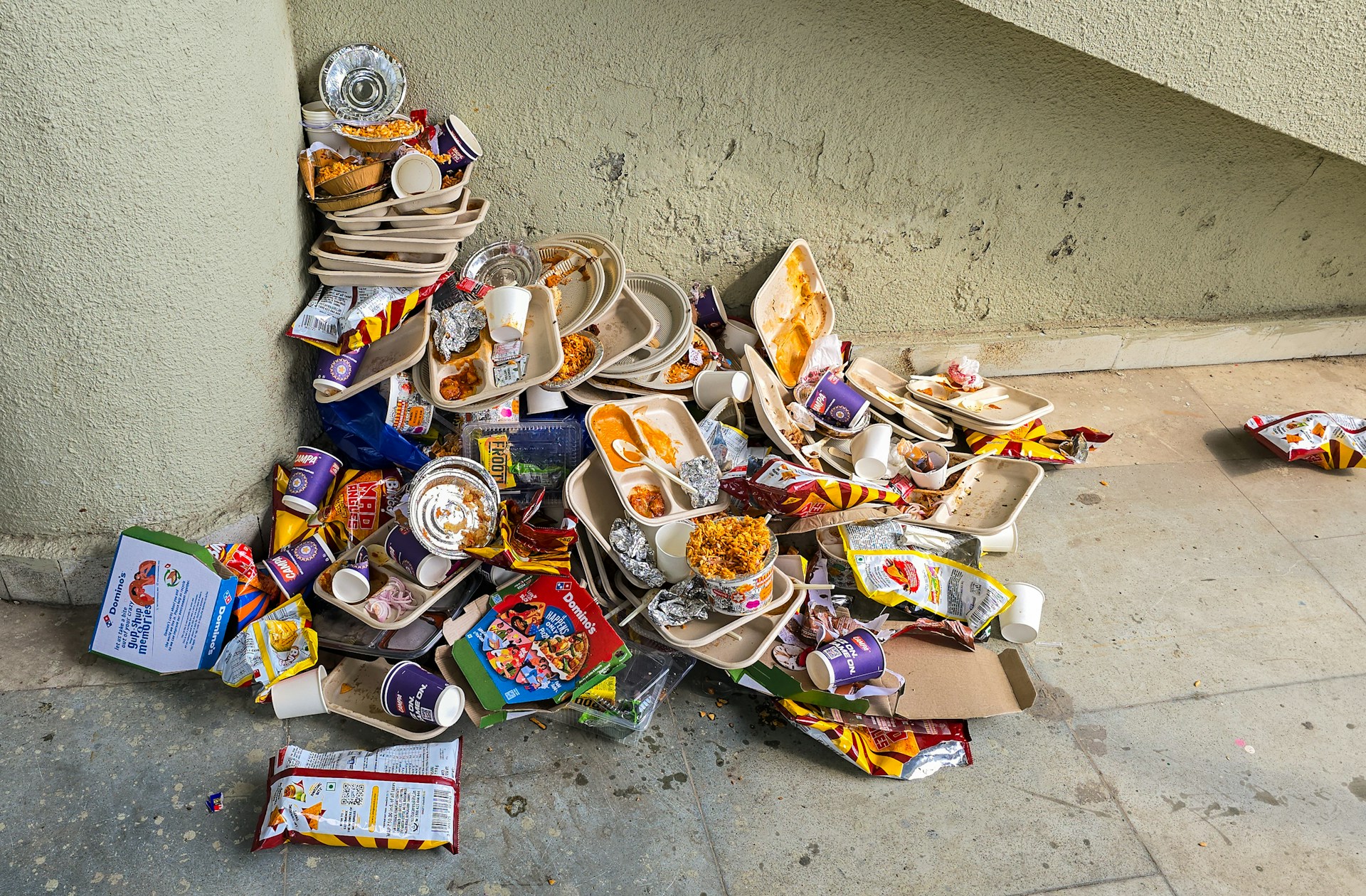
Most UK businesses generating food waste every day still don’t have a proper management system in place. Many are putting food waste into general waste bins, which is expensive, wasteful and for a large proportion of businesses, already illegal. The rules around commercial food waste collection have changed, the deadlines have passed for most employers and the consequences of getting it wrong are financial as well as environmental. This blog covers what businesses need to know, what they’re required to do and how to get a compliant, practical system in place.
How Much Commercial Food Waste UK Businesses Generate
The scale of commercial food waste in the UK is substantial. The hospitality sector alone generates over 3.4 million tonnes of waste annually, according to a WRAP report on hospitality waste and WRAP estimates that the sector could save up to £724 million per year through a combination of waste prevention and diverting material from landfill into proper recycling and treatment channels. That saving comes not just from reduced disposal costs but from avoiding the purchase of food that ends up as waste in the first place.
For individual businesses, the cost of poor food waste management shows up in several places: inflated general waste disposal costs, missed revenue from recoverable materials like used cooking oil and the increasingly real risk of regulatory penalties. The shift in legislation has made this a compliance issue, not just an operational one.
The Food Waste Law That Already Applies to Your Business
This is the most important section for any business owner or facilities manager to understand. Simpler Recycling, the government’s reform to waste collection, has already introduced mandatory food waste separation requirements for most businesses in England.
Since 31 March 2025, all businesses with ten or more employees must separate food waste from general waste for collection. This isn’t pending or upcoming. It’s already in force and businesses still putting food waste into general waste bins without a separate food waste collection arrangement are operating outside the law. The government’s Simpler Recycling reforms cover which waste streams are affected, what containers are required and how the rollout timeline works for different types of premises.
Micro-businesses with fewer than ten employees have a later compliance date of 31 March 2027, but the direction of travel is clear: all businesses generating food waste in England will eventually be required to manage it separately. Getting a system in place now, before enforcement catches up with those still non-compliant, is the straightforward approach.
What Duty of Care Means for Food Waste
Every UK business has a legal Duty of Care for its waste under the Environmental Protection Act 1990. For food waste, this means the waste must be stored safely and securely, collected by a licensed waste carrier and documented with a Waste Transfer Note for every collection. Businesses that hand food waste to an unlicensed collector, or that dispose of it through a route that can’t be documented, are in breach of this duty regardless of whether they intended any harm.
Keeping a record of Waste Transfer Notes is not optional. These documents prove that the waste was handled by an authorised carrier and transferred appropriately and in the event of an Environment Agency inspection or a complaint, they’re the primary means of demonstrating compliance. Any business unsure about what documentation is required can find answers in the Wastecare FAQs, which covers Duty of Care obligations and Waste Transfer Notes in detail.

The Different Types of Food Waste Your Business Generates
Commercial food waste isn’t a single category. Businesses generating food waste typically produce at least two distinct streams that require different handling, collection arrangements and treatment routes.
Solid Food Waste
Solid food waste includes plate scrapings, food preparation off-cuts, spoiled stock and any food that has passed its use-by date. This material needs to be segregated into a dedicated food waste bin or container, collected at a frequency appropriate to the volume generated and treated through an appropriate route such as anaerobic digestion or composting. It cannot legally go into general waste for businesses with ten or more employees in England.
Used Cooking Oil
Used cooking oil is a separate waste stream entirely and needs its own collection arrangement. It cannot be disposed of through food waste bins, poured down drains, or handed to an unregistered collector. Improper disposal of used cooking oil causes serious environmental harm, blocking drainage systems and contaminating waterways and carries significant financial penalties. It also needs to be treated as a controlled waste with appropriate documentation. The Wastecare used cooking oil collection service handles this stream separately, with licensed collection and full compliance documentation for every pickup.
Where Does Commercial Food Waste Go?
When food waste is collected by a licensed carrier rather than going into general waste, it goes to one of two primary treatment routes, both of which produce something useful rather than sending the material to landfill.
Anaerobic Digestion
Anaerobic digestion breaks down food waste in sealed tanks without oxygen, producing biogas that can be used to generate electricity or heat and a nutrient-rich digestate that can be applied to agricultural land as a fertiliser. It’s one of the most resource-efficient ways of treating organic waste and is the most common destination for collected commercial food waste in the UK.
Composting
Composting converts food waste into a soil conditioner through a controlled biological decomposition process. It’s a lower-technology route than anaerobic digestion but produces a useful agricultural product and keeps organic material out of landfill. Some food waste treatment facilities use a combination of both methods depending on the composition of the material being processed.
Both routes produce something useful from the waste rather than sending it to landfill and both work out cheaper than general waste disposal. Food waste is heavy and general waste bins that include it cost more to collect and tip. Separating it out reduces the weight and volume of general waste, which lowers disposal costs, while the food waste itself goes somewhere it can be put to use.

Used Cooking Oil Collection and Why It Matters
For any business that cooks commercially, including restaurants, cafes, takeaways, catering operations and food manufacturers, used cooking oil (UCO) is one of the most valuable and most frequently mismanaged waste streams generated. Properly managed, it is a regulated waste with a clear recycling route. Left unmanaged or handed to an unregistered collector, it becomes a serious compliance liability.
Used cooking oil that solidifies in drains costs businesses money in drainage clearance and causes wider infrastructure problems. Oil poured away unsafely can contaminate waterways and attract penalties from the Environment Agency. Rogue collectors also pose a specific problem in the UCO sector: the value of used cooking oil as a feedstock for biodiesel has made it a target for theft and unlicensed collection and a business that hands its oil to an unregistered collector remains liable for what happens to it afterwards.
When collected by a licensed carrier such as Wastecare, used cooking oil is recycled into renewable fuels including biodiesel and aviation biofuel. For high-volume producers, this can also generate a rebate depending on oil quality and quantity. Wastecare’s used cooking oil and waste vegetable oil collection runs across the UK with scheduled pickups and full compliance documentation through the myWaste portal.

Recycling Food Packaging Alongside Food Waste
Simpler Recycling doesn’t only cover food waste. Businesses are also now required to separate dry recyclables including paper and card, plastic packaging, glass and metal from general waste. For food-producing and food-serving businesses, this includes the packaging that comes in with food deliveries, such as cardboard boxes, plastic wrapping, glass bottles, tins and metal containers.
Managing food packaging recycling alongside food waste collection in the same operation requires clear segregation at the point of waste generation, the right containers in the right locations and a collection arrangement that covers all the required streams. Wastecare’s general waste collection service runs alongside its food waste and oil services, making it possible to consolidate multiple waste streams into a single supplier relationship rather than managing separate contractors for each.
The Challenges Businesses Face With Food Waste Separation
Getting commercial food waste management right involves more than signing up to a collection service. The practical challenges businesses encounter most often come down to three things:
1. Space. Food waste bins need to be in the right locations to make segregation easy for staff, including prep areas, service stations and back-of-house areas where most waste is generated. A container that’s inconveniently placed will be ignored, regardless of what the policy says.
2. Staff behaviour. Segregation only works if everyone understands what goes where and why. Moving to mandatory food waste separation requires a change in daily habit across a whole team and that takes clear communication and visible management buy-in to make it stick.
3. Collection frequency. Food waste generates odour and attracts pests if left too long, particularly in summer. The collection schedule needs to match the volume being generated, which varies significantly between a small office kitchen and a full-service restaurant.
Wastecare works with businesses to assess collection frequency needs, container placement and documentation requirements as part of setting up a service, so these decisions don’t have to be worked out independently.

How Wastecare Supports Commercial Food Waste Management
Wastecare is a fully licensed waste carrier operating across the UK with 12 licensed service centres and a fleet of over 100 specialist vehicles. Every collection is documented through the myWaste portal, which provides digital Waste Transfer Notes and compliance records accessible to the business at any time, which is exactly what’s needed to demonstrate Duty of Care compliance in the event of an inspection or audit.
Hospitality and catering businesses can consolidate food waste collection, used cooking oil recycling and general waste into a single collection arrangement with one supplier, removing the need to manage multiple contractors. Supermarkets and food retailers get a service that covers the full range of food waste and food packaging recycling streams across a retail environment. For facilities managers running multi-site operations, Wastecare’s national coverage and centralised reporting through myWaste keeps compliance tracking across multiple locations in one place. Full detail on licensing, accreditations and service infrastructure is on the Wastecare about page.
The legislation is in place, the compliance obligations are clear and the practical case for acting is straightforward. Separate food waste collection reduces general waste disposal costs, used cooking oil can generate a rebate and having a licensed carrier handle collection with proper documentation removes the compliance risk entirely.
To set up a compliant food waste collection service for your business, call Wastecare on 0800 091 0000 or contact our team today through our website to find out more about food waste collection for businesses.
Lithium batteries are everywhere in a modern workplace. They’re in laptops, phones, power tools, backup systems and a growing list of everyday equipment that didn’t used to run on batteries at all. Most businesses never give much thought to what happens once one of those batteries stops working. It gets thrown in a drawer, or worse, into general waste and that’s usually the end of the thought process. What happens next carries far more risk and far more opportunity, than most people realise.
Why Lithium Batteries Are a Fire Risk
This isn’t an exaggerated concern. Research from the Environmental Services Association found that lithium-ion batteries were responsible for 48% of all waste fires in the UK in a single year. Separate research from the charity Material Focus identified over 600 fires in waste trucks and recycling sites caused specifically by batteries that hadn’t been removed from electrical appliances before disposal. The financial cost of these fires to the UK runs into the tens of millions of pounds annually, before accounting for the damage to facilities, the risk to waste sector staff and the disruption to local communities when a site goes up in flames.
This risk isn’t theoretical for Wastecare either. A lithium battery inside an electrical appliance delivered to one of our treatment facilities recently caused a fire, while brought under control quickly and safely, served as a stark reminder of how easily this can happen. Lithium battery recycling done properly is what prevents incidents like this from happening at scale across the waste industry.
What Makes Lithium Batteries Different From Other Battery Types
Lithium batteries behave differently to older battery chemistries when they’re damaged and that difference is the source of most of the risk. A punctured or crushed lithium battery can ignite on its own, without any external spark or flame needed. Contact with water can trigger the same reaction, since lithium combusts spontaneously when wet. Heat speeds the process up further, which is exactly why a battery sitting loose in a bin lorry, getting compressed and jolted alongside general rubbish, is such a dangerous combination.
This is also why disposing of lithium batteries correctly means never putting them in with general waste or mixed recycling. They need to be kept separate, with terminals insulated to prevent contact with other metal objects and stored away from heat sources until they can be collected properly.
What Are the Rules on Battery Disposal for UK Businesses?
The Waste Batteries and Accumulator Regulations 2009 set out the legal framework for how batteries need to be collected and recycled in the UK. Businesses that place portable batteries onto the UK market, whether as a manufacturer, importer, or retailer distributing more than 32kg of batteries a year, have a legal obligation to offer customers a way to return used batteries. Many businesses meet this obligation through a producer compliance scheme rather than managing it independently, which removes most of the administrative burden involved.
For businesses that simply use battery-powered equipment day to day rather than placing batteries on the market, the obligation is more straightforward: batteries need to be segregated from general waste and sent for recycling through a licensed collector. Businesses still working out exactly where their own obligations sit can find the full regulatory picture for battery recycling and compliance laid out in detail, alongside how the collection side of the process works in practice.
What Happens to a Battery Once It’s Recycled Properly?
Lithium, along with other materials found in batteries such as nickel, cadmium and zinc, has real recoverable value once it’s processed correctly. Recycling facilities break batteries down to recover these materials so they can go back into manufacturing rather than being lost permanently in landfill. This matters for two reasons. Mining new lithium and the other materials used in battery production carries its own significant environmental cost, so recovering what’s already in circulation reduces the pressure on that supply chain. It also keeps hazardous substances out of soil and water, since batteries that end up in landfill can leach lead, cadmium and other contaminants into the surrounding environment over time.
Commercial battery recycling at scale is what makes this recovery process viable. Wastecare recycles more than 60% of all portable batteries collected nationwide each year, which gives a sense of just how much material is being kept in circulation rather than wasted.
How Does Commercial Battery Recycling Benefit Your Business?
Beyond the fire safety and environmental case, there are practical reasons for a business to get this right. The most obvious is risk reduction on your own premises. Batteries stored or discarded incorrectly in an office, warehouse, or retail unit carry the same fire risk that’s been seen repeatedly across the waste industry, except this time the fire happens on your site rather than someone else’s.
There’s also a compliance benefit that removes a layer of admin most businesses would rather not deal with. Free collection services, available to retailers, workplaces and other qualifying sites collecting a minimum volume, mean that meeting your legal obligations doesn’t have to come with a significant cost or logistical headache. Some recyclers will also pay rebates on batteries with recoverable value, turning what used to be a pure cost into something closer to break-even or better for the business disposing of them.
How to Dispose of Lithium Batteries Safely in the Workplace
Getting battery disposal right in a workplace comes down to a handful of consistent habits rather than anything complicated. Lithium battery terminals should be insulated, usually with tape, before storage to prevent accidental contact with other batteries or metal objects. Batteries need to be kept dry and away from heat sources and any battery that’s visibly damaged or leaking should never go into a standard collection container. A dedicated battery collection point, whether a simple bin or a purpose-built container, keeps batteries separated from general waste from the moment someone disposes of them, which is the single biggest factor in preventing fires further down the waste chain.
Retailers in particular have found success with dedicated in-store collection points, with Morrisons’ revamped portable battery containers designed specifically to make safe disposal properly convenient for customers, rather than an afterthought tucked away somewhere hard to find. The BatteryBack scheme is another example of how a structured, well-run collection network increases the volume of batteries recovered safely rather than ending up in general waste.
What Happens to Batteries Found Inside Old Electrical Equipment?
Not every lithium battery a business needs to deal with arrives as a standalone item. Laptops, power tools and a wide range of office equipment have batteries built in and when that equipment reaches the end of its life, the battery goes with it. This is where battery recycling and WEEE collection overlap. Equipment containing a battery still needs to be treated through the correct WEEE process, with the battery itself extracted and recycled separately once it reaches a treatment facility.
For businesses generating a steady stream of old electrical equipment, free WEEE collection services for businesses make it straightforward to dispose of both the equipment and any batteries inside it correctly, without needing to separate everything manually before collection.
Lithium batteries carry a fire risk that the waste industry deals with on a near-daily basis, but the right disposal habits make that risk almost entirely avoidable. For UK businesses, lithium battery recycling isn’t just a legal box to tick. It protects your own premises from a real fire hazard, recovers valuable materials that would otherwise be lost and keeps hazardous substances out of the environment, all while meeting the obligations set out in UK battery regulations.
To find out how Wastecare can set up safe, compliant commercial battery recycling for your business, get in touch with the team to discuss free collection options and what’s involved for your specific site.
Batteries show up in almost every part of a working business, from the handheld scanner on a warehouse floor to the laptop on every desk. Nobody thinks much about them until one stops working and at that point, most just go in the bin without a second thought. What happens after that point is where this gets interesting. This blog looks at why different battery types need different handling, what businesses still gets wrong with battery recycling, and what it actually means for them to get this right.
Why Different Battery Types Need Different Recycling Processes
Not all batteries are made the same way and that’s the starting point for understanding why battery recycling is more complicated than just collecting them in one bin. Alkaline and zinc carbon batteries, the standard single-use type found in remotes and torches, make up a large share of what businesses go through day to day. Lithium batteries power most rechargeable devices and modern electronics. Nickel-cadmium batteries are still common in older power tools and some medical equipment, while lead-acid batteries are typically found in larger equipment and vehicles.
Each of these chemistries needs to be processed differently to recover the materials inside them safely. Wastecare’s specialist facility in Halifax, the first of its kind built in the UK, has the capacity to recycle 100% of the UK’s spent alkaline and zinc carbon batteries and the same site also pre-treats batteries containing lithium, nickel-cadmium, lead and mercury ahead of recovery. Sorting batteries by chemistry as part of waste battery collection is necessary as mixing battery types together during storage and transport increases the risk of a reaction between them, which is one of the reasons properly segregated collection matters so much.
What Does Battery Recycling Achieve Environmentally?
Once batteries reach a recycling facility, they’re sorted by chemistry using a mix of manual and automated systems before being sent for material recovery. Steel, nickel, manganese and lead are among the materials reclaimed from this process and they go back into industries including automotive, construction and electronics manufacturing rather than being lost to landfill.
This recovery matters on two fronts. Mining new raw materials for battery production carries a significant environmental cost of its own, so recovering what’s already in circulation reduces pressure on that supply chain. Batteries left to break down in landfill can also leach hazardous substances such as lead and mercury into the surrounding soil and water over time, which commercial battery recycling prevents by keeping those materials contained and properly processed from the outset.
Why Has the UK Struggled to Meet Its Battery Recycling Targets?
This is worth being honest about, because it’s a real problem rather than something the industry has already fixed. The UK sets one overall recycling target that covers all types of portable batteries together, rather than separate targets for each type. For years, that combined average has been propped up by lead-acid batteries, which get recycled at a very high rate because the lead inside them is valuable enough to be worth collecting almost every time.
The problem is that lead-acid batteries make up only a small part of what businesses actually use. The batteries people rely on day to day, including alkaline, lithium and rechargeable batteries, were being recycled at a much lower rate, often only around 10%. Because the lead-acid numbers were so strong, they masked just how poorly everything else was being recycled and the UK’s overall figures looked better than the real picture on the ground. Regulators have since taken steps to correct this, but the lesson for businesses hasn’t changed: a good national average doesn’t mean your own batteries are being handled properly. Working with a recycler that handles lithium battery recycling and other chemistries directly, rather than depending on an industry-wide average, is the more reliable way to know your batteries are being processed correctly.
What Are Your Obligations Under UK Battery Regulations?
The Waste Batteries and Accumulator Regulations 2009 set out the legal framework that governs how batteries need to be collected and recycled across the UK. Businesses that place more than one tonne of batteries onto the UK market in a year, whether as a manufacturer, importer, or distributor, need to register either with a producer compliance scheme or directly with the Environment Agency. Smaller producers below that threshold still need to register, though the obligations involved are lighter.
For most commercial businesses, the more relevant obligation is simpler: batteries need to be segregated from general waste and sent for proper recycling through a licensed collector rather than thrown away with everything else. Businesses unsure whether they have a producer obligation or simply a collection responsibility can find the full picture of UK battery compliance worth working through before assuming either way.
How Does Battery Recycling Benefit Your Business Day to Day?
Beyond the regulatory side, there are straightforward practical reasons to get battery collection right. The most obvious is reduced fire risk on your own premises. Batteries, particularly lithium ones, stored or discarded incorrectly carry a real fire hazard and getting collection and storage right removes that risk before it becomes a problem rather than dealing with the consequences afterwards.
There’s also a cost and admin benefit worth factoring in. Battery collection and recycling services are often available free of charge above a minimum collection volume, which takes the cost barrier out of doing this properly. Some recyclers will pay rebates on batteries with recoverable value too, which can turn what used to be a pure disposal cost into something closer to break-even. For businesses with sustainability commitments to report against, demonstrable, properly documented battery recycling alkaline and lithium collection is also straightforward evidence to point to.
How Does Commercial Battery Collection Work in Practice?
Getting this right comes down to a few consistent habits. Batteries should be sorted by chemistry where possible before storage, with lithium battery terminals insulated to prevent contact with other metal objects. Anything visibly damaged or leaking should never go into a standard collection container and the containers themselves should only ever be used for batteries, not mixed in with other waste streams.
Retailers in particular have found success with dedicated collection points designed specifically for customer use. Morrisons’ revamped portable battery containers are a good example of how a retail-scale collection point can make safe disposal properly easy for customers rather than something tucked away and easily missed. The same principle applies at a national level through the BatteryBack scheme, which has built out a wider network of collection points to increase the volume of batteries recovered safely across the country.
What Happens to Batteries Inside Old Electrical Equipment?
Not every battery a business deals with arrives loose. Laptops, power tools and a wide range of office equipment have batteries built into them and when that equipment reaches the end of its life, the battery needs to be dealt with too. This is where battery recycling overlaps with WEEE collection, since the equipment itself needs treating through the correct WEEE process while the battery inside it is extracted and recycled separately.
Businesses generating a regular stream of old electrical equipment can use free WEEE collection services to deal with both the equipment and any batteries inside it correctly, without needing to dismantle and separate everything manually beforehand.
Commercial battery recycling is about more than ticking a compliance box. Different battery types need different handling, the UK’s recycling figures have historically been skewed by structural imbalances in how lead-acid batteries are counted. Businesses that store and collect batteries properly cut their own fire risk while making sure valuable materials don’t end up in landfill. Get the basics right, sorting by type, storing them safely and using a reliable collection service, the whole thing becomes straightforward rather than something to put off.
To set up safe, compliant battery collection for your business, get in touch with our team today to discuss free collection options and solutions that fit your specific site.
Every day, businesses across the UK use drums, tanks and large containers to store and transport chemicals, oils, solvents and other industrial materials. When those containers have done their job, getting rid of them isn’t as simple as putting them out for collection. The leftover residue inside makes them hazardous in the eyes of the law and if they’re not disposed of correctly, the responsibility sits with the business that used them. Understanding how the process works helps businesses stay on the right side of the regulations and in many cases, it can save money too.
What Counts as an Industrial Container?
Industrial waste containers come in a wide range of shapes and sizes, used across manufacturing, chemicals, food production, agriculture, automotive and oil and gas. The most common types are:
• Intermediate bulk containers (IBCs), large 1,000-litre plastic tanks in a metal frame, used to store and move bulk liquids
• Steel drums, typically 205-litre, widely used for chemicals, oils and solvents
• Plastic drums, ranging from small 20-litre bottles up to larger formats, common in chemical and food processing
• Plastic barrels, outer cages, kegs and cut-off IBCs, used across various industrial applications
What all of these have in common is that they’ve held substances that leave traces behind. Even a drum that looks empty still has residue on the inside and that’s enough to make it a hazardous item under UK law.
Why Industrial Containers Can’t Go in a Normal Skip
The reason industrial waste recycling for containers needs a specialist approach comes down to what was inside them. When a container holds a chemical, solvent, or other hazardous substance, traces of that material remain on the inner surfaces even after the container has been emptied. That residue is enough to classify the whole container as hazardous waste.
Once something is classified as hazardous waste, it has to be collected by a licensed carrier, processed at a licensed facility and tracked with paperwork at every step. Putting industrial waste containers into a general skip, handing them to an unlicensed collector, or sending them to a scrap metal dealer is a legal offence and the fine or enforcement action that follows falls on the business that created the waste, not just the company that removed it.
What the Law Says About Industrial Container Disposal
The main piece of legislation covering industrial waste recycling of containers in the UK is the Hazardous Waste (England and Wales) Regulations 2005, which sets out the rules for how hazardous waste must be labelled, stored, moved and treated. On top of that, the Environment Agency’s guidance has tightened over time, closing off many of the informal disposal routes that some businesses previously relied on, including unlicensed reconditioners and scrap processors.
What this means in practice is that the business using the containers is legally responsible for making sure they’re handled correctly from start to finish. Wastecare is a fully licensed carrier and processor under the Hazardous Waste Regulations 2005 and every collection comes with full paperwork and a clear record of where the containers went and how they were treated. That documentation matters if a business is ever inspected or audited.
When Industrial Containers Can Be Cleaned and Reused
Not every used industrial waste container gets broken down and recycled. Where a container is still in good enough condition, the preferred outcome is to clean it, check it and put it back into use. This is better for the environment and better for the bottom line. Wastecare pays a rebate for containers that meet the standard, which means businesses can get money back rather than just paying a disposal cost.
Collection and Washing
The process starts with collection by Wastecare’s own vehicles, though businesses can also deliver containers directly to the treatment facility in Leeds. Once the containers arrive, plastic drums and intermediate bulk containers are washed using high-pressure hot water and a cleaning agent. The water used in this process is recycled where possible to reduce waste and the washing is thorough enough to remove the residues that a simple rinse wouldn’t shift.
Testing and Recertification
After washing, each container is tested for leaks to make sure it’s still fit for purpose. Those that pass are certified and sent back out for reuse, with documentation to confirm they’ve been properly cleaned and checked. Those that don’t pass the test don’t get sent back into circulation. Instead, they move into the recycling process.
What Happens to Industrial Containers That Can’t Be Reused?
When a container isn’t in good enough condition to be reconditioned, it gets broken down and the materials are recovered for recycling. Nothing goes to landfill. The specific process depends on whether the container is made from steel or plastic.
How Steel Drums Are Recycled
Steel drums that can’t be reconditioned go through a high-temperature heat treatment process at Wastecare’s Avonmouth facility. This is the only permitted facility in the UK dedicated to treating contaminated steel drums and metal packaging in this way. The heat burns away any chemical residue left inside the drum. After that, the drum is cleaned back to bare metal, then remanufactured and certified so it can be used again in industry.
For heavily contaminated drums, the lid is removed before treatment and the drum goes through the furnace before being cleaned and rebuilt. Where a drum can’t be remanufactured, the steel is melted down and reformed into new material. Either way, the steel is fully recovered and nothing is wasted.
How Plastic Drums and IBCs Are Recycled
.Plastic drums and intermediate bulk containers that can’t be reused are put through a three-stage cleaning process. After cleaning, the plastic is dried and shredded, with any metal parts separated out at this stage. The shredded plastic is then processed to remove any remaining surface residue, leaving clean material that can be turned into plastic granules. Those granules are sold on to be used in the manufacture of new plastic products. The metal cage frames from IBCs are recovered and recycled separately as steel.
The Environmental Case for Industrial Container Recycling
The combination of reuse and recycling means that industrial waste containers managed through Wastecare achieve zero to landfill, with a 90% reduction in carbon compared to producing new materials from scratch. For businesses that are tracking their environmental impact or working towards sustainability targets, that’s a concrete number rather than a general claim.
It also reflects how a circular economy is supposed to work in practice. A steel drum gets cleaned, rebuilt and certified for reuse. Plastic from a plastic drum gets turned into granules and used to make something new.
Why Industrial Container Recycling Makes Business Sense
The practical case for using a proper industrial waste recycling service is fairly simple. Containers in good enough condition to be reused generate a rebate, which helps offset the cost of the collection. Full paperwork and traceability means the business has everything it needs to show it’s compliant. A nationwide collection service that covers all container types in one visit means there’s no need to manage several different contractors for different types of waste.
Getting it wrong is considerably more expensive. The Hazardous Waste Regulations make the business that created the waste responsible for making sure it’s been handled correctly at every stage. Improper disposal can lead to fines, enforcement action and reputational damage, all of which tend to cost far more than a compliant collection would have.
Which Industries Need Industrial Container Recycling?
Any business that regularly uses drums, IBCs, or other bulk containers will need a plan for dealing with them at the end of their life. The industries that most commonly need this service include chemical manufacturing, oil and gas, agriculture, automotive, food and drink production and general industrial manufacturing. Wastecare covers a wide range of sectors and the service handles containers regardless of what they’ve held, how contaminated they are, or how large the volumes involved.
For businesses that also need to manage other types of regulated waste alongside their containers, WEEE collection and recycling is available through the same nationwide service, which makes it easier to keep everything under one roof.
Getting rid of used industrial containers is more complicated than it looks and the stakes are higher than most businesses realise. The responsibility sits with the business that generated the waste, not just the company that removes it and that means the choice of how containers are collected and treated matters. Done properly, it protects the business legally, keeps material in circulation and delivers a measurable environmental benefit that extends well beyond just avoiding landfill.
To arrange a collection for your industrial waste containers, fill in our contact form to get a quote, or call the team on 0800 091 0000 to talk through your requirements.


